Experiential Learning High School: 21st-Century Skills for 2026
Anúncios
In an increasingly dynamic and interconnected world, the traditional classroom model is undergoing a profound transformation. Educators, policymakers, and parents alike are recognizing the imperative to equip students with more than just theoretical knowledge. The focus is shifting towards fostering practical, adaptable, and relevant skills that will enable them to thrive in the complex landscape of the 21st century. At the heart of this educational revolution lies high school experiential learning – a pedagogical approach that places direct experience and reflection at the core of the learning process. As we look towards 2026 and beyond, integrating experiential learning into high school curricula is not just an innovative idea; it is a fundamental necessity for cultivating the next generation of critical thinkers, problem-solvers, and innovators.
Anúncios
The Imperative of High School Experiential Learning for 21st-Century Skills
The job market of today and tomorrow demands a different kind of graduate. Rote memorization and standardized test scores, while having their place, no longer suffice as primary indicators of future success. Employers consistently seek candidates who possess a robust set of 21st-century skills: critical thinking, creativity, collaboration, communication, digital literacy, leadership, and adaptability. These are not skills that can be effectively taught solely through lectures or textbooks. They are cultivated through active engagement, real-world application, and the iterative process of trial and error – precisely what high school experiential learning offers.
Experiential learning, often defined by David Kolb’s model, involves a continuous cycle of concrete experience, reflective observation, abstract conceptualization, and active experimentation. This cycle empowers students to learn by doing, to make sense of their experiences, to form new ideas, and to test those ideas in practical scenarios. For high school students, this means moving beyond the confines of the classroom to engage with the world in meaningful ways, transforming abstract concepts into tangible understanding and actionable skills.
Defining High School Experiential Learning: More Than Just Field Trips
While field trips and guest speakers are valuable components of a holistic education, high school experiential learning encompasses a much broader and deeper spectrum of activities. It is a deliberate pedagogical strategy designed to immerse students in authentic experiences that challenge them to apply their knowledge, develop new competencies, and reflect on their learning journey. Key characteristics of effective experiential learning include:
Anúncios
- Direct Experience: Students are actively involved in real-world tasks or simulations.
- Reflection: Opportunities are provided for students to think critically about their experiences, analyze outcomes, and draw conclusions.
- Application: Learning is connected to real-world problems and allows students to apply theoretical knowledge.
- Meaning-Making: Students construct their own understanding and knowledge from their experiences.
- Feedback and Iteration: Learners receive feedback and have opportunities to refine their approaches.
These elements distinguish genuine experiential learning from passive observation, ensuring that students are not just exposed to new environments but are actively participating in their learning and development. The goal is to create memorable, impactful learning moments that foster deep understanding and skill acquisition.
The Core 21st-Century Skills Fostered by Experiential Learning
The benefits of integrating high school experiential learning are numerous, particularly in the context of developing the essential skills for success in the 21st century. Let’s explore some of these critical competencies:
Critical Thinking and Problem-Solving
When students are faced with real-world challenges, they are compelled to think critically. Unlike textbook problems with predetermined answers, authentic problems often have multiple solutions or no clear-cut path. Experiential learning scenarios, such as designing a sustainable garden, analyzing local environmental data, or developing a marketing strategy for a school event, require students to analyze information, evaluate options, and devise creative solutions. This iterative process of problem identification, brainstorming, execution, and evaluation hones their critical thinking and problem-solving abilities far more effectively than theoretical exercises.
Creativity and Innovation
Innovation thrives in environments where experimentation is encouraged and failure is seen as a learning opportunity. Experiential learning projects often involve open-ended challenges that necessitate creative approaches. Whether it’s developing a new app, designing a community outreach program, or creating an artistic installation that addresses a social issue, students are given the freedom to think outside the box, prototype ideas, and bring novel concepts to fruition. This fosters a mindset of innovation and empowers them to become creators, not just consumers, of knowledge.
Collaboration and Communication
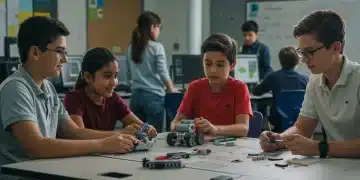
Most real-world endeavors are collaborative. Experiential learning naturally places students in team settings, requiring them to work together, negotiate ideas, delegate tasks, and resolve conflicts. Projects like building a robot, producing a school play, or conducting a group research study demand effective communication – both verbal and written – to ensure successful outcomes. Students learn to articulate their thoughts clearly, listen actively to others, and contribute constructively to a shared goal. These collaborative experiences are invaluable for preparing them for future academic and professional environments.
Adaptability and Resilience
The real world is unpredictable. Plans can change, obstacles can arise, and unexpected challenges are inevitable. Experiential learning exposes students to these realities in a safe, guided environment. When a project encounters a setback, students learn to adapt their strategies, pivot their approach, and persevere through difficulties. This builds resilience – the ability to bounce back from adversity – which is a crucial trait for navigating a rapidly changing world. They learn that failure is not an endpoint but a stepping stone to growth and improvement.
Digital Literacy and Technological Fluency
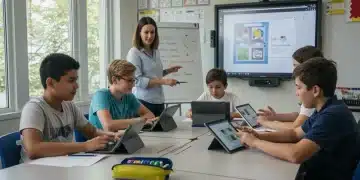
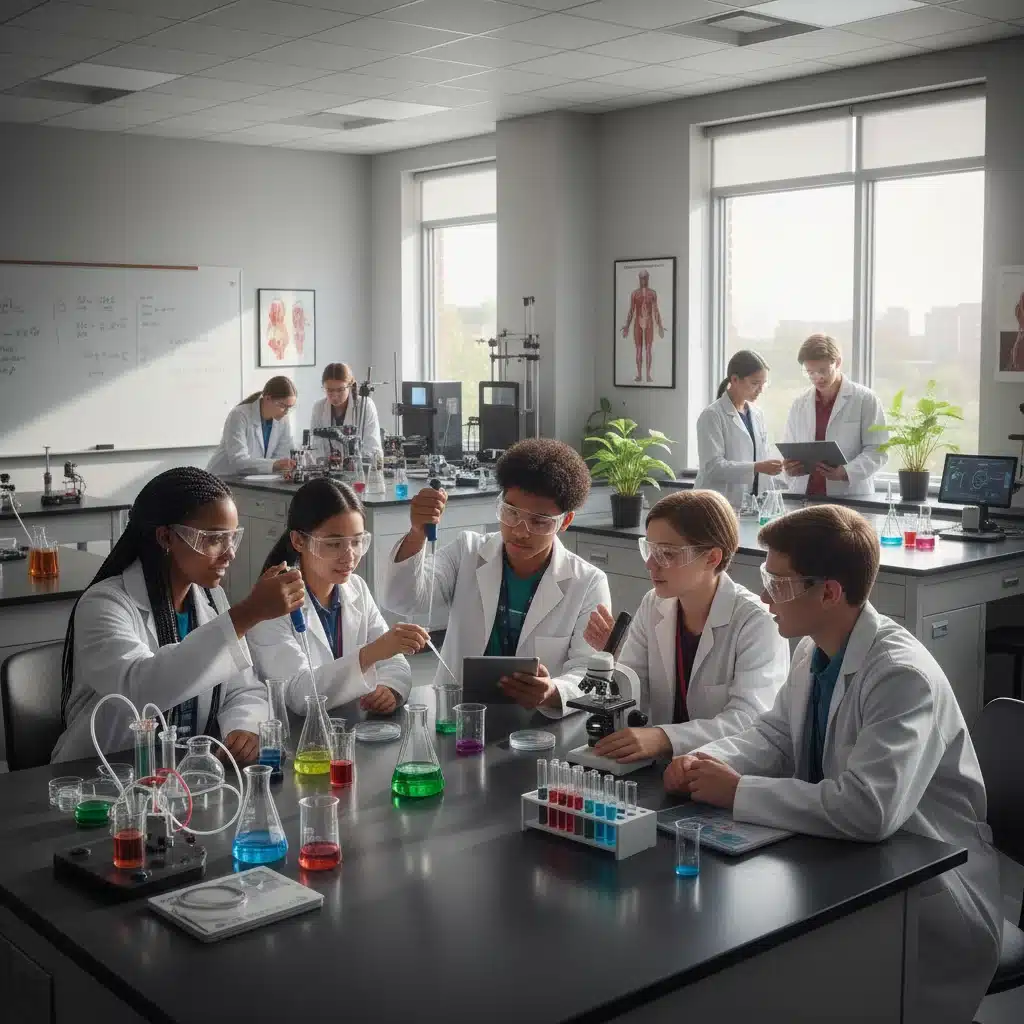
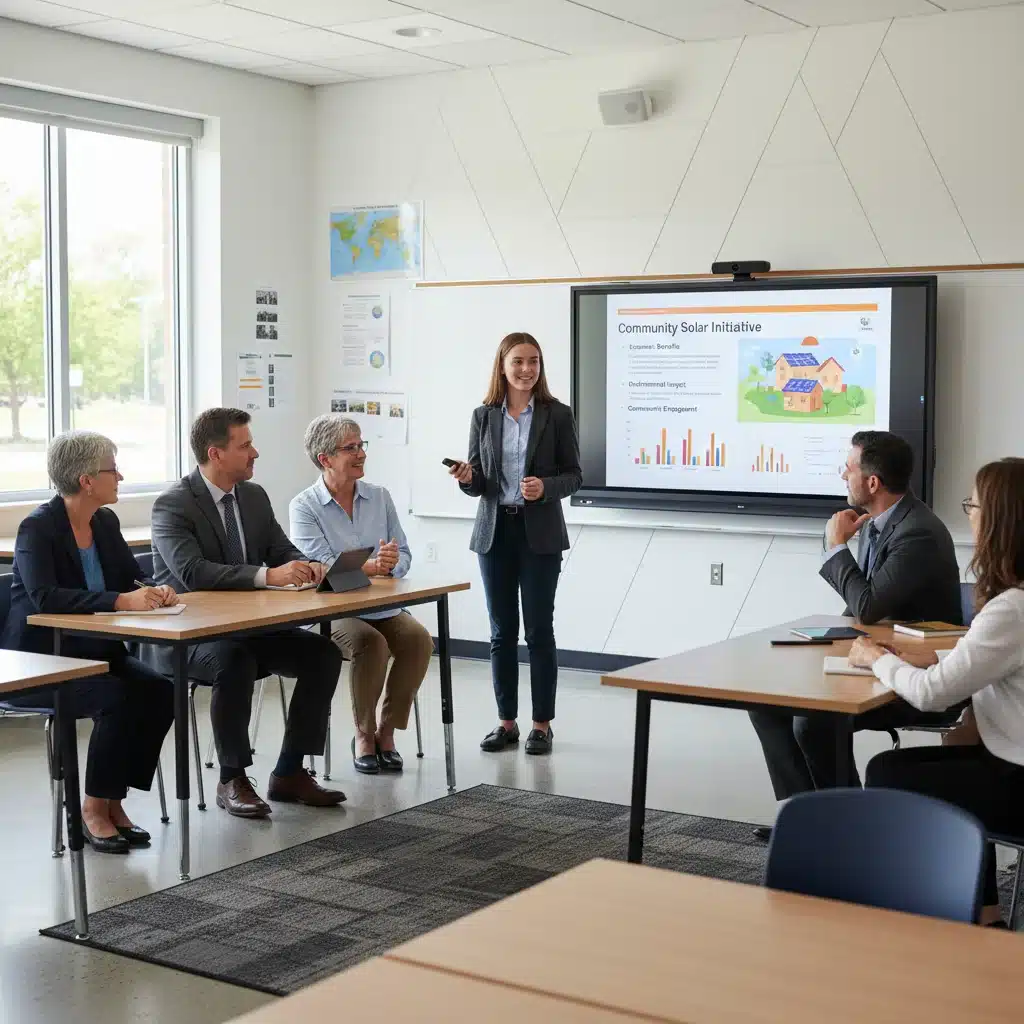
Many experiential learning opportunities naturally integrate technology. From using data analysis tools in a science project to creating multimedia presentations for a community outreach initiative, students gain practical experience with various digital platforms and software. They learn to leverage technology as a tool for research, communication, creation, and problem-solving, moving beyond passive consumption to active, purposeful engagement with digital resources. This hands-on application ensures they develop true technological fluency, not just familiarity.
Integrating Experiential Learning into High School Curricula: Practical Strategies
Successfully integrating high school experiential learning requires a thoughtful and strategic approach. It’s not about adding more to an already packed curriculum, but rather reimagining how existing content can be taught and applied. Here are several practical strategies:
1. Project-Based Learning (PBL)
PBL is a cornerstone of experiential learning. Instead of traditional lessons followed by assignments, students work on extended projects that address real-world questions or problems. For example, in a history class, students might research and design a museum exhibit on a local historical event, interviewing community members and curating artifacts. In a math class, they could design a budget and financial plan for a hypothetical small business. PBL fosters deep engagement, critical thinking, and collaborative skills.
2. Service Learning
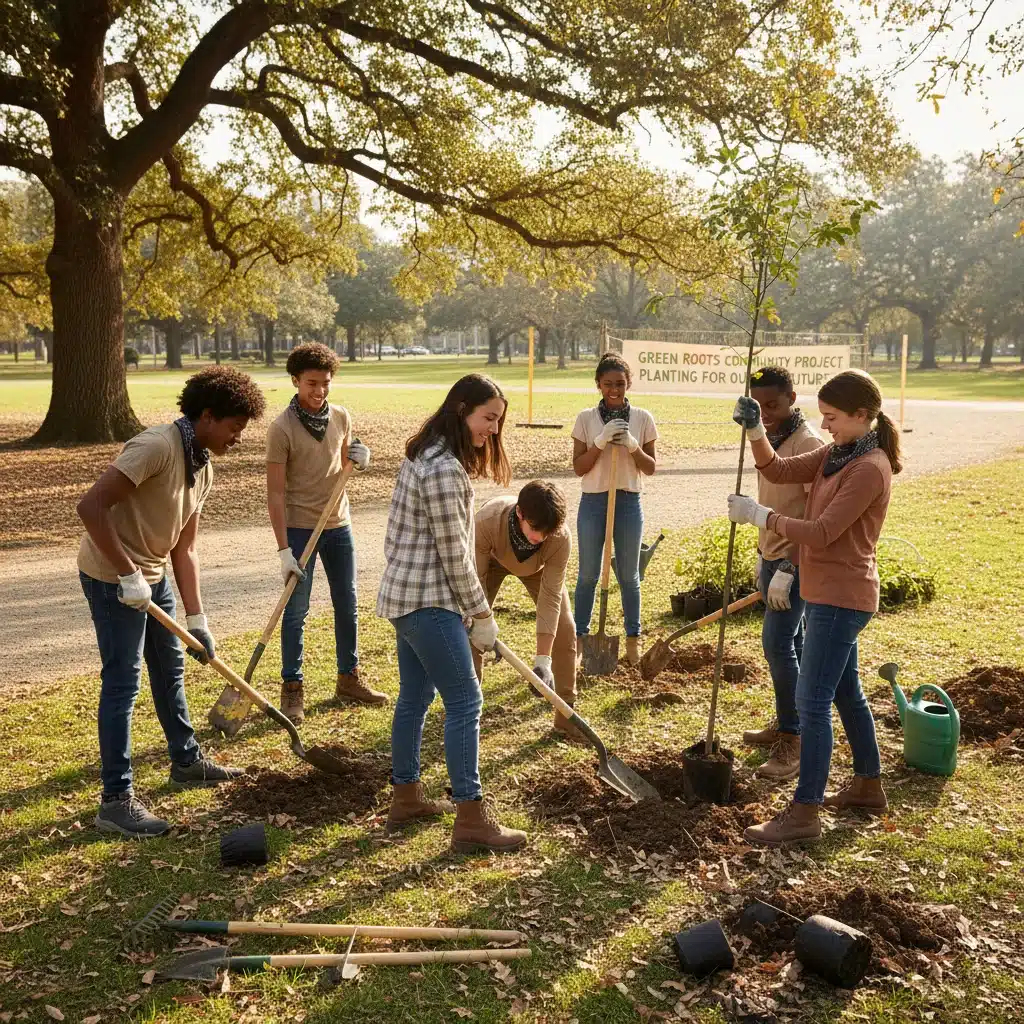
Service learning combines community service with academic instruction and reflection. Students engage in meaningful service activities that address genuine community needs, and then reflect on their experiences to deepen their understanding of course content and civic responsibility. Examples include volunteering at a local food bank while studying food insecurity, tutoring younger students to reinforce their own academic skills, or participating in environmental restoration projects as part of a biology curriculum. This approach cultivates empathy, social awareness, and leadership.
3. Internships and Apprenticeships
For older high school students, structured internships and apprenticeships provide invaluable real-world work experience. These opportunities allow students to explore career paths, apply classroom knowledge in a professional setting, and develop essential workplace skills such as professionalism, time management, and networking. Schools can partner with local businesses, non-profits, and government agencies to create these pathways. Even short-term job shadowing experiences can be highly impactful.
4. Simulations and Role-Playing
When direct real-world experience isn’t feasible, simulations and role-playing can provide a powerful alternative. Model UN, mock trials, business simulations, and scientific experiments that mimic real-world scenarios allow students to practice decision-making, negotiation, and problem-solving in a controlled environment. These activities build confidence and provide a safe space to experiment with different strategies and observe the consequences of their actions.
5. Entrepreneurship Education
Encouraging students to develop their own businesses or social enterprises provides a holistic experiential learning opportunity. From conceptualizing an idea and conducting market research to developing a business plan, securing funding, and launching a product or service, students engage in every aspect of entrepreneurship. This process teaches them about economics, marketing, finance, leadership, and resilience, all while fostering an innovative mindset.
6. Outdoor and Environmental Education
Connecting students with nature through outdoor and environmental education fosters scientific inquiry, ecological awareness, and practical skills. Field studies, conservation projects, and wilderness expeditions allow students to collect data, analyze ecosystems, and develop an appreciation for environmental stewardship. These experiences often involve teamwork, problem-solving in challenging conditions, and hands-on scientific investigation.
Overcoming Challenges in Implementing High School Experiential Learning
While the benefits of high school experiential learning are clear, implementation can present challenges. These often include:
- Time Constraints: Integrating experiential projects often requires more time than traditional teaching methods.
- Resource Allocation: Securing funding for materials, transportation, and external partnerships can be difficult.
- Teacher Training: Educators may need professional development to effectively design and facilitate experiential learning.
- Assessment: Developing robust assessment methods that capture the breadth of learning in experiential settings can be complex.
- Safety and Logistics: Managing off-campus activities, ensuring student safety, and handling permissions can be logistically challenging.
Addressing these challenges requires a concerted effort from school administrators, teachers, parents, and community partners. Strategies include:
- Curriculum Redesign: Shifting from content coverage to deeper learning, allowing for more in-depth projects.
- Community Partnerships: Building strong relationships with local businesses, non-profits, and government entities to access resources and opportunities.
- Professional Development: Investing in training for teachers on experiential learning methodologies, project management, and community engagement.
- Flexible Scheduling: Adapting school schedules to accommodate longer project blocks or off-campus excursions.
- Innovative Assessment: Utilizing rubrics, portfolios, presentations, and peer evaluations to assess a wider range of skills.
The Role of Technology in Enhancing Experiential Learning
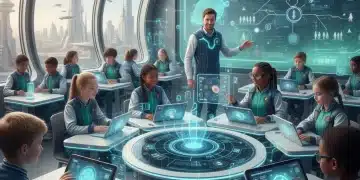
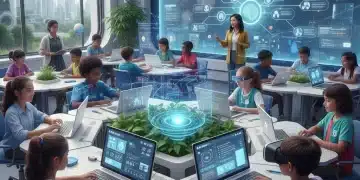
Technology plays an increasingly vital role in expanding the possibilities of high school experiential learning. Virtual reality (VR) and augmented reality (AR) can transport students to historical sites, scientific laboratories, or even outer space, offering immersive experiences that might otherwise be impossible. Online collaboration tools facilitate group projects with students from different schools or even countries. Data visualization software allows students to analyze complex datasets from real-world phenomena. Digital platforms can connect students with mentors and experts globally, broadening their perspectives and providing authentic feedback.
Moreover, technology enables students to document and share their experiential learning journeys through blogs, videos, podcasts, and digital portfolios. This not only enhances their communication and digital literacy skills but also provides valuable evidence of their learning and growth. The thoughtful integration of technology can amplify the impact and reach of experiential learning initiatives, making them more accessible and engaging for all students.
Measuring the Impact: Assessing 21st-Century Skills in Experiential Learning
One of the critical aspects of effective high school experiential learning is the ability to meaningfully assess the development of 21st-century skills. Traditional tests often fall short in evaluating complex competencies like collaboration, creativity, and critical thinking. Therefore, a multi-faceted assessment approach is essential:
- Portfolios: Collections of student work, reflections, and evidence of learning over time provide a holistic view of skill development.
- Rubrics: Detailed rubrics can be used to evaluate specific skills during projects, presentations, and group work, offering clear criteria for success.
- Presentations and Demonstrations: Public presentations, debates, and product demonstrations allow students to showcase their communication, problem-solving, and creative skills.
- Peer and Self-Assessment: Encouraging students to evaluate their own and their peers’ contributions fosters meta-cognition and self-awareness.
- Authentic Tasks: Assessments should mimic real-world tasks as much as possible, requiring students to apply knowledge and skills in practical contexts.
- Reflection Journals: Regular journaling encourages students to reflect on their learning process, challenges, and insights gained from their experiences.
By employing a range of assessment strategies, educators can gain a comprehensive understanding of how students are developing 21st-century skills through experiential learning, providing valuable feedback for both students and curriculum refinement.
The Future of Education: High School Experiential Learning in 2026 and Beyond
As we advance towards 2026, the integration of high school experiential learning will become increasingly central to educational paradigms worldwide. The rapid pace of technological change, the evolving nature of work, and the increasing complexity of global challenges demand an educational system that prepares students not just for college, but for life. Experiential learning cultivates the adaptability, ingenuity, and social intelligence that will be crucial for navigating an uncertain future.
Schools that embrace this approach will not only see improved academic outcomes but also higher levels of student engagement, motivation, and well-being. Students who are actively involved in their learning, who see the relevance of their education to the real world, are more likely to be enthusiastic learners and responsible citizens. They develop a deeper sense of purpose and a greater capacity for self-direction, becoming lifelong learners equipped to tackle any challenge.
The movement towards experiential learning is more than a trend; it is a fundamental shift in how we conceive of education. It recognizes that true learning occurs when students are active participants in their own knowledge construction, when they grapple with real problems, and when they connect classroom concepts to the world around them. By championing high school experiential learning, we are investing in a future where our graduates are not just knowledgeable, but also skilled, resilient, and ready to make meaningful contributions to society.
Conclusion: Empowering Students Through Experience
In conclusion, the journey to equip high school students with the indispensable 21st-century skills for 2026 and beyond must be paved with meaningful experiences. High school experiential learning is the most potent vehicle for fostering critical thinking, creativity, collaboration, communication, adaptability, and digital literacy. By moving beyond traditional instructional methods and embracing project-based learning, service learning, internships, simulations, and entrepreneurial endeavors, educators can create dynamic and relevant learning environments.
While challenges exist in implementation, the collective commitment of schools, communities, and policymakers can overcome these hurdles. The integration of technology can further amplify the reach and impact of these experiences, making them more accessible and engaging. Ultimately, by prioritizing experiential learning, we empower our students not just to learn about the world, but to actively engage with it, shape it, and thrive within it. The future success of our students and our society depends on our ability to provide an education that is not just imparted, but truly experienced.