Federal Housing Assistance 2026: Navigating Section 8 and Public Housing Changes
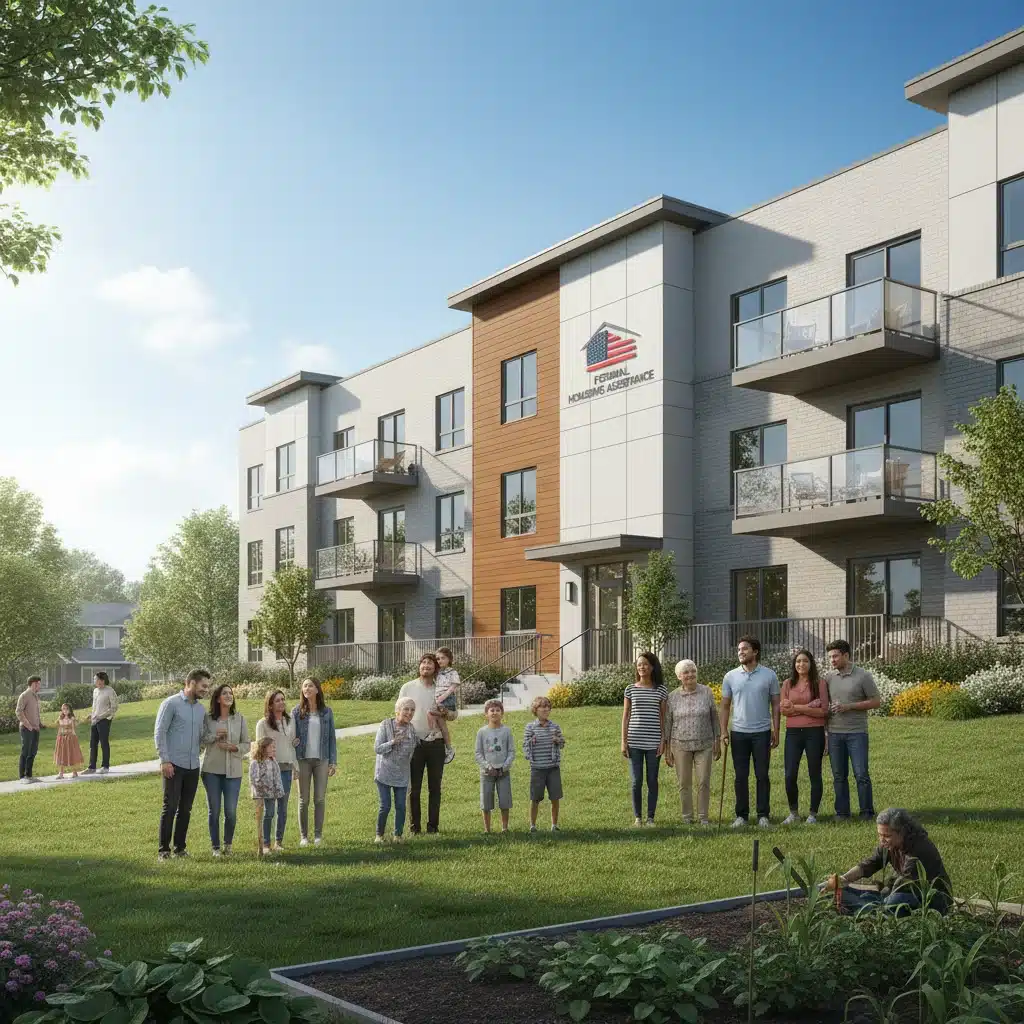
The landscape of federal housing assistance is constantly evolving, driven by economic shifts, policy adjustments, and the ongoing commitment to providing safe, decent, and affordable housing for all eligible citizens. As we approach 2026, significant changes are on the horizon for key programs like Section 8 and Public Housing. Understanding these updates is not just beneficial; it’s crucial for current beneficiaries, prospective applicants, housing authorities, and advocacy groups alike. This comprehensive guide aims to dissect the anticipated modifications to Federal Housing Assistance 2026, offering clarity on eligibility criteria, application processes, and the broader implications for affordable housing in the United States.
The U.S. Department of Housing and Urban Development (HUD) periodically reviews and revises its policies to better serve the needs of low-income families, the elderly, and individuals with disabilities. These revisions can stem from new legislative mandates, budgetary considerations, or a strategic reassessment of program effectiveness. The changes slated for 2026 are expected to refine the targeting of resources, streamline administrative procedures, and potentially expand or adjust the reach of these vital programs. For anyone involved with or dependent on federal housing support, staying informed about these developments is paramount.
Understanding the Core of Federal Housing Assistance
Before delving into the specifics of the 2026 changes, it’s important to have a firm grasp of the two pillars of federal housing assistance: Section 8 and Public Housing. Both programs are designed to make housing affordable for low-income individuals and families, but they operate through different mechanisms.
Section 8: Housing Choice Voucher Program
The Housing Choice Voucher Program, commonly known as Section 8, is the federal government’s largest program for assisting very low-income families, the elderly, and the disabled to afford decent, safe, and sanitary housing in the private market. Participants are free to choose any housing that meets the program requirements and is not limited to units located in subsidized housing projects. Housing assistance is provided on behalf of the family or individual, and participants are able to find their own housing, including single-family homes, townhouses, and apartments. The tenant generally pays 30% of their adjusted gross income for rent and utilities, with the local public housing agency (PHA) paying the difference directly to the landlord. This flexibility allows recipients to live in diverse communities and access better schools and job opportunities.
Public Housing Program
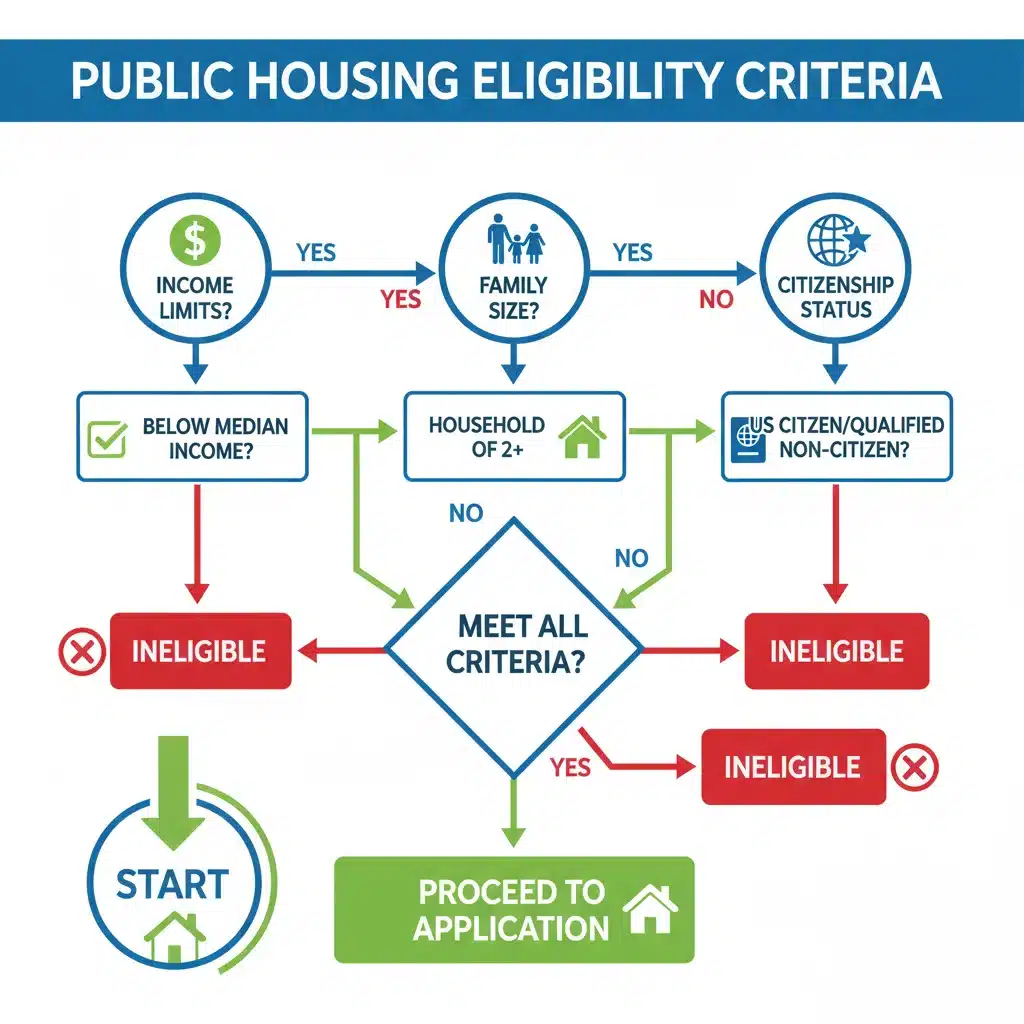
Public Housing, in contrast, involves housing units owned and managed directly by local PHAs. These units are typically apartment buildings or scattered-site homes designated specifically for low-income residents. While Section 8 provides a voucher to subsidize rent in the private market, Public Housing provides a physical unit. Eligibility for Public Housing is also based on income, family size, and other factors, with tenants paying a portion of their income as rent, similar to the Section 8 program. The Public Housing program aims to provide affordable housing options in communities where private market options might be scarce or too expensive for very low-income individuals.
Anticipated Changes to Federal Housing Assistance 2026
The upcoming changes in Federal Housing Assistance 2026 are likely to touch upon several critical areas, from income thresholds and asset limitations to application procedures and tenant responsibilities. While the exact details are still being finalized and could be subject to legislative adjustments, we can anticipate general trends based on recent policy discussions and HUD’s strategic goals.
Revisions to Income and Asset Limits
One of the most frequent areas of adjustment in federal housing programs involves income and asset limits. These limits are typically tied to the Area Median Income (AMI) and are updated annually. For 2026, we might see more nuanced calculations or adjustments to these limits, potentially reflecting regional economic disparities more accurately. For instance, HUD might introduce new tiers or refine how non-traditional income sources are evaluated. There could also be changes to how assets, such as retirement accounts or inherited property, are factored into eligibility determinations, aiming to ensure that assistance is directed to those with the most need while preventing abuse of the system by individuals with substantial hidden wealth.
Streamlining Application and Waiting List Processes
The application process for both Section 8 and Public Housing can be notoriously complex and lengthy, with waiting lists often spanning years. HUD has been exploring ways to streamline these processes, leveraging technology to improve efficiency. For Federal Housing Assistance 2026, we could see a push towards more standardized online application portals, improved inter-agency data sharing to reduce paperwork, and clearer guidelines for managing waiting lists. This could include prioritizing certain vulnerable populations more explicitly or implementing lottery systems in areas of extremely high demand to ensure fairness. The goal is to reduce the administrative burden on PHAs and make the application journey less daunting for prospective tenants.
Enhanced Tenant Protections and Responsibilities
Tenant protections are a cornerstone of federal housing programs. While these are unlikely to be drastically reduced, there might be refinements or expansions. For example, new provisions could address issues like eviction prevention, particularly for those facing temporary financial hardship, or offer more robust support for victims of domestic violence. Concurrently, there could be an increased emphasis on tenant responsibilities, such as maintaining property standards, adhering to lease agreements, and participating in community activities. Some proposals have even suggested linking housing assistance to participation in employment or educational programs, though such measures would likely be voluntary and supportive rather than mandatory.
Specific Changes to Section 8 Eligibility in 2026
The Housing Choice Voucher program is always under scrutiny for ways to maximize its impact. The Federal Housing Assistance 2026 updates for Section 8 are expected to focus on fine-tuning eligibility and usage.
Adjustments to Income Brackets and Deductions
Eligibility for Section 8 is primarily determined by income relative to the AMI. For 2026, HUD may adjust the income brackets (e.g., very low-income, extremely low-income) to better reflect current economic realities. Additionally, there could be changes to allowable deductions from gross income, which can significantly impact a household’s eligibility and the amount of assistance they receive. For instance, deductions for medical expenses, childcare, or disability-related costs might be revised to provide more targeted relief or to simplify calculations for PHAs. These adjustments aim to ensure that the voucher program continues to serve those most in need.
Changes to Portability Rules
Section 8 vouchers are generally portable, meaning recipients can move and transfer their assistance to another PHA’s jurisdiction. While the fundamental principle of portability is unlikely to change, the administrative procedures surrounding it might. We could see new requirements for notifying PHAs, revised timelines for transfers, or enhanced coordination between PHAs to facilitate smoother transitions. The goal would be to reduce bureaucratic hurdles for families who need to relocate for employment, family, or safety reasons, while ensuring that the receiving PHA has adequate resources to manage the transfer.

Focus on Special Populations
There’s a growing recognition of the unique housing challenges faced by specific populations, such as veterans, individuals experiencing homelessness, and those transitioning out of institutional care. Federal Housing Assistance 2026 may introduce new set-asides or preferential treatment within the Section 8 program for these groups. This could involve dedicated voucher allocations, expedited application processing, or enhanced supportive services to ensure these vulnerable populations can access and maintain stable housing. Such initiatives would align with broader federal efforts to end homelessness and support reintegration into communities.
Specific Changes to Public Housing Eligibility in 2026
Public Housing, as a direct provider of housing, also faces its own set of adjustments in 2026, primarily focused on optimizing occupancy and community well-being.
Revised Occupancy Standards
To ensure efficient use of public housing units and address overcrowding or underutilization, HUD might update occupancy standards. This could involve more flexible rules for unit size based on family composition, or clearer guidelines for addressing changes in household size over time. The aim is to match families with appropriately sized units, reducing vacancies and making the most of existing public housing stock. These changes could impact how PHAs assign units and how existing tenants might be transferred to different units if their household size changes significantly.
Community Engagement and Self-Sufficiency Initiatives
Beyond simply providing shelter, Public Housing programs often strive to foster community and promote resident self-sufficiency. For 2026, there might be a renewed emphasis on mandatory or incentivized participation in community programs, such as job training, financial literacy workshops, or educational support for children. While not directly impacting eligibility for housing, participation in such initiatives could become a factor in lease renewals or access to additional services. The goal is to empower residents to achieve greater economic independence and improve their overall quality of life within the public housing community.
Maintenance and Modernization Requirements
While not strictly an eligibility criterion for tenants, changes in federal funding and regulations for public housing maintenance and modernization can indirectly affect residents. Increased funding or new mandates for energy efficiency, accessibility upgrades, or lead-based paint remediation could lead to improved living conditions. Conversely, stricter enforcement of maintenance standards could place greater responsibility on PHAs and, by extension, on tenants to report issues promptly and adhere to property care guidelines. These infrastructure changes are vital for the long-term viability and quality of Federal Housing Assistance 2026 properties.
Impacts of the 2026 Changes on Applicants and Beneficiaries
The anticipated changes to Federal Housing Assistance 2026 will have tangible effects on various stakeholders. Understanding these impacts is key to navigating the new landscape effectively.
For New Applicants
New applicants will need to be particularly diligent in understanding the revised eligibility criteria, especially regarding income and asset limits. The application process might be more streamlined, but it could also come with new documentation requirements or expanded background checks. It will be crucial for prospective tenants to stay updated on their local PHA’s specific implementation of federal guidelines, as there can be regional variations. Utilizing online resources and attending informational sessions offered by PHAs will be more important than ever.
For Current Beneficiaries
Current Section 8 voucher holders and public housing residents will need to be aware of any changes to recertification processes, rent calculation formulas, and tenant responsibilities. While existing beneficiaries are often grandfathered into certain rules, significant policy shifts can still affect them, particularly during annual reviews. Changes in income deductions or asset evaluations could alter their monthly rent contributions. Furthermore, new community engagement requirements or maintenance guidelines could impact their tenancy. Proactive communication with their PHA is essential to avoid any surprises.
For Public Housing Authorities (PHAs)
PHAs will bear the primary responsibility for implementing and managing these changes. This will require training staff on new regulations, updating administrative systems, and effectively communicating with applicants and residents. PHAs may need to adjust their internal policies, revise forms, and potentially invest in new technologies to comply with federal mandates. The success of the Federal Housing Assistance 2026 updates will largely depend on the capacity and efficiency of local PHAs.
Preparing for Federal Housing Assistance 2026
Preparation is key to successfully navigating the upcoming changes in Federal Housing Assistance 2026. Here’s how individuals and organizations can get ready:
Stay Informed Through Official Channels
The most reliable sources of information will be HUD’s official website (www.hud.gov) and your local Public Housing Authority. Regularly check for press releases, policy briefs, and updated guidance documents. Subscribe to newsletters from housing advocacy groups and government agencies that monitor these changes closely. Avoid relying solely on unofficial sources, as misinformation can be prevalent.
Organize Your Documentation
Whether you are an applicant or a current beneficiary, having your financial and personal documentation in order is always a good practice. This includes income statements, tax returns, bank statements, identification documents, and any records of assets or deductions. Being prepared with accurate and up-to-date paperwork can significantly expedite any application or recertification process under the new 2026 guidelines.
Seek Guidance from Housing Counselors
Non-profit housing counseling agencies often provide free or low-cost assistance to individuals navigating federal housing programs. These counselors can offer personalized advice, help with applications, and explain complex regulations. As the 2026 changes roll out, these counselors will be invaluable resources for understanding how the new rules apply to your specific situation.
Advocate for Your Needs
If you are part of an advocacy group or community organization, consider engaging with policymakers to provide feedback on proposed changes. Collective voices can influence the final shape of regulations, ensuring that the needs of vulnerable populations are adequately addressed. Staying informed about legislative processes related to housing can empower you to participate in public comment periods or contact your elected officials.
Long-Term Outlook for Federal Housing Assistance
The changes in Federal Housing Assistance 2026 are not isolated events but part of a continuous effort to adapt federal programs to evolving societal needs and economic conditions. Looking beyond 2026, we can expect a continued focus on several key themes in affordable housing policy:
Addressing Housing Shortages
The fundamental challenge of affordable housing shortages in many parts of the country will likely remain a top priority. Future policies may explore innovative financing mechanisms for new construction, incentives for developers to build affordable units, and strategies to preserve existing affordable housing stock. The goal is to increase the overall supply of housing that is accessible to low-income individuals and families, reducing reliance on vouchers and public housing units in the long term.
Promoting Housing Stability and Equity
Efforts to promote housing stability will likely intensify, with a focus on preventing homelessness and supporting successful tenancy. This could involve expanding access to emergency rental assistance, strengthening tenant-landlord mediation services, and investing in programs that address the root causes of housing instability, such as poverty, unemployment, and health disparities. Furthermore, policies will continue to strive for greater equity in housing, addressing historical discrimination and ensuring fair access for all eligible individuals, regardless of race, ethnicity, or background.
Leveraging Technology and Data
The use of technology and data analytics is expected to play an increasingly significant role in federal housing assistance. This includes developing more sophisticated systems for tracking housing needs, monitoring program effectiveness, and identifying areas where resources can be better utilized. Digital platforms for applications, tenant portals, and communication tools will likely become standard, improving efficiency and accessibility for both PHAs and beneficiaries. Data-driven insights will inform future policy decisions, leading to more responsive and effective programs.
Conclusion
The upcoming changes to Federal Housing Assistance 2026, encompassing both Section 8 and Public Housing programs, represent a critical juncture in the nation’s commitment to affordable housing. While the specifics are still unfolding, the overarching goals are clear: to refine eligibility, streamline processes, enhance tenant protections, and ultimately, ensure that federal resources are effectively directed to those who need them most. By staying informed, preparing diligently, and engaging with relevant authorities and advocacy groups, applicants, beneficiaries, and housing professionals can navigate these changes successfully.
The journey towards a more equitable and stable housing future is ongoing. The 2026 updates are another step in that direction, demanding attention and adaptation from everyone involved. Understanding these changes is not merely about compliance; it’s about empowering individuals and communities to secure and maintain the fundamental right to safe and affordable housing.