Veterans’ Benefits 2026: Key Enhancements for US Service Members
Anúncios
For the brave men and women who have dedicated their lives to serving the United States, understanding and accessing their earned benefits is paramount. As we look towards 2026, significant enhancements are on the horizon, promising to provide even greater support for veterans and their families. This comprehensive guide will navigate the four most significant improvements to Veterans Benefits 2026, ensuring that every service member is well-informed and prepared to utilize these vital resources.
The landscape of veterans’ support is continuously evolving, reflecting a national commitment to those who have sacrificed so much. These upcoming changes are not merely incremental adjustments; they represent a concerted effort to address long-standing challenges and introduce innovative solutions across critical areas such as healthcare, education, housing, and disability compensation. Our goal is to break down these complex updates into easily digestible information, empowering veterans to confidently navigate their entitlements.
Anúncios
Understanding these changes is crucial for both current and future veterans. The U.S. Department of Veterans Affairs (VA) is at the forefront of implementing these enhancements, aiming to streamline processes and expand access to much-needed services. This article will delve into each of the four primary areas of improvement, offering detailed insights and practical advice on how to leverage these new opportunities. From expanded healthcare options to increased educational assistance, improved housing programs, and more robust disability support, Veterans Benefits 2026 are designed to make a tangible difference in the lives of service members.
The Evolution of Veterans Benefits: A Historical Context
Before diving into the specifics of Veterans Benefits 2026, it’s beneficial to understand the historical trajectory of veterans’ support in the United States. From the earliest days of the republic, there has been an acknowledgment of the debt owed to those who defend the nation. Early provisions were often rudimentary, focusing on pensions for disabled soldiers and widows. The Civil War brought about more formalized systems, but it was really in the 20th century, particularly after World War I and World War II, that the concept of comprehensive veterans’ benefits began to take shape.
The Servicemen’s Readjustment Act of 1944, famously known as the G.I. Bill, revolutionized support for returning service members. It provided unprecedented opportunities for education, homeownership, and unemployment benefits, profoundly shaping American society. Subsequent decades saw the expansion of healthcare services through the VA system, disability compensation, and various other programs designed to aid veterans in their transition to civilian life and beyond.
Anúncios
Each major conflict and societal shift has prompted reevaluations and adjustments to these benefits. The post-9/11 era, for instance, led to significant enhancements in educational benefits (the Post-9/11 G.I. Bill) and increased focus on mental health services. These historical precedents set the stage for the current wave of improvements, demonstrating a continuous commitment to adapting and enhancing support for those who have served. The Veterans Benefits 2026 updates are a continuation of this legacy, aiming to meet the contemporary needs of a diverse veteran population.
Enhancement 1: Expanded Healthcare Access and Services
One of the most critical areas of improvement under Veterans Benefits 2026 is the significant expansion of healthcare access and services. The VA healthcare system is a cornerstone of support for millions of veterans, and these enhancements aim to make it more responsive, comprehensive, and accessible than ever before. This includes a multi-faceted approach to improving physical, mental, and preventative care.
Mental Health and Telehealth Integration
Recognizing the growing importance of mental health, 2026 will see a substantial increase in funding and resources dedicated to mental health services. This includes expanded access to specialized therapies for PTSD, depression, anxiety, and other service-related conditions. A key focus will be on proactive and preventative mental health care, moving beyond reactive treatment to foster long-term well-being.
Furthermore, telehealth services are set to undergo a major upgrade. This enhancement will allow veterans in rural or underserved areas to access top-tier medical and mental health professionals without the burden of travel. The integration of advanced telehealth platforms will ensure secure, convenient, and effective virtual consultations, increasing continuity of care and reducing barriers to access. This is particularly vital for veterans who may have mobility issues or live far from VA facilities. The expansion of telehealth under Veterans Benefits 2026 also includes specialized virtual programs for chronic disease management and rehabilitation, ensuring comprehensive care from the comfort of a veteran’s home.
Specialized Care for Toxic Exposure and Women Veterans
Another pivotal aspect of the enhanced healthcare provisions is the increased focus on specialized care. For veterans exposed to toxic substances during their service, such as Agent Orange or burn pits, 2026 will bring expanded presumptive conditions and streamlined processes for claiming related health issues. This means more veterans will qualify for care and compensation without the arduous burden of proving direct causation for certain illnesses. The VA is investing in cutting-edge research and treatment protocols specifically tailored to these complex conditions.
Additionally, services for women veterans are being significantly bolstered. Historically, VA facilities were designed primarily with male veterans in mind. The 2026 enhancements will address this by providing more gender-specific healthcare options, including reproductive health services, gynecological care, and mental health support tailored to the unique experiences of women in service. This includes dedicated women’s health clinics and increased training for VA staff on gender-sensitive care. The goal is to ensure that all veterans, regardless of gender, receive the most appropriate and respectful care possible.
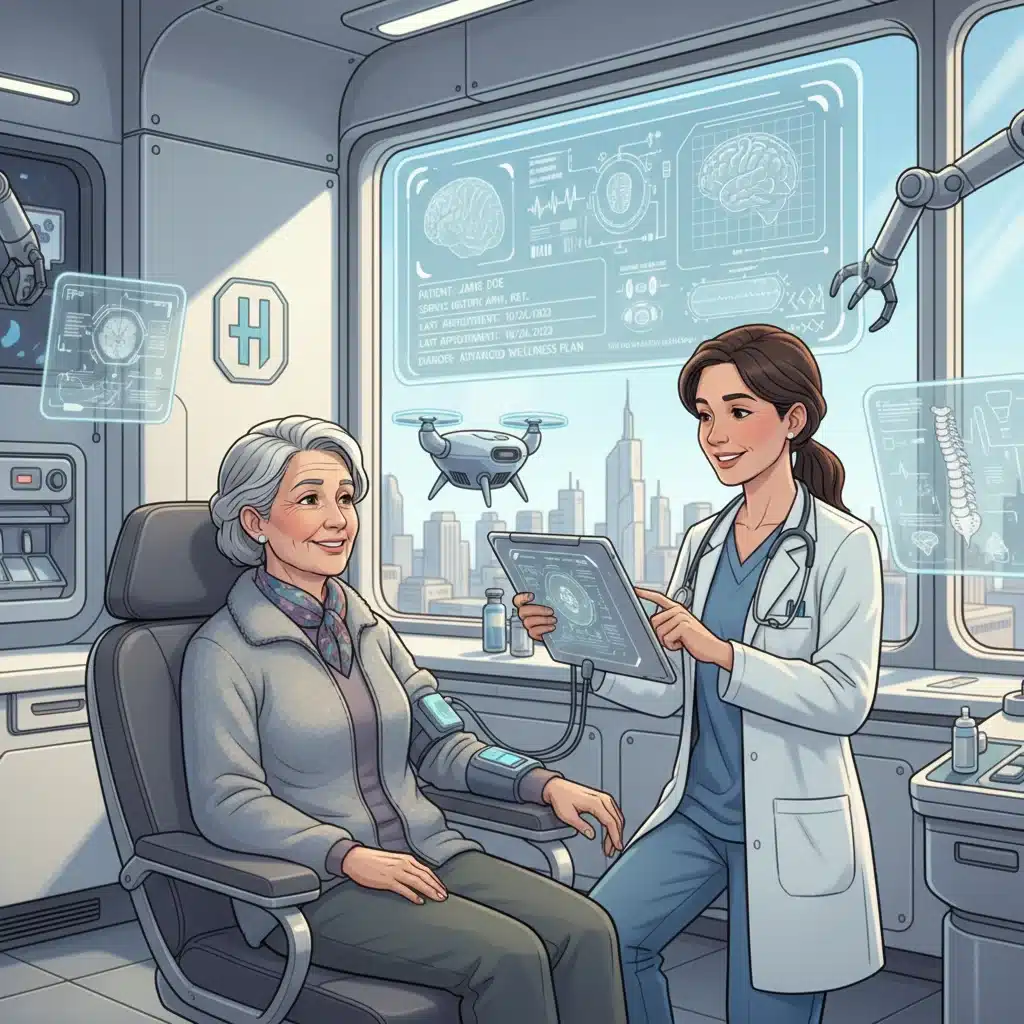
These healthcare initiatives represent a significant step forward in ensuring that every veteran receives the high-quality, comprehensive care they deserve. The emphasis on preventative care, mental health, and specialized treatment underscores a holistic approach to veteran well-being, directly impacting the quality of life for countless service members. The commitment to these advancements makes Veterans Benefits 2026 a landmark year for veteran healthcare.
Enhancement 2: Enhanced Educational and Vocational Training Programs
Education and vocational training are powerful tools for successful civilian reintegration and career advancement. The second major area of enhancement for Veterans Benefits 2026 focuses on making these opportunities more robust, flexible, and responsive to the demands of the modern workforce. These updates aim to empower veterans to pursue higher education, acquire new skills, and secure meaningful employment.
Expanded G.I. Bill Eligibility and Coverage
The Post-9/11 G.I. Bill has been a transformative benefit, but 2026 will see further expansions to its eligibility criteria and coverage. This includes provisions for a wider range of non-traditional educational pathways, such as coding bootcamps, apprenticeships in high-demand trades, and entrepreneurship programs. The goal is to move beyond traditional four-year degrees and recognize the value of diverse skill sets in today’s economy. Veterans will have more flexibility in how they use their educational benefits, allowing them to tailor their learning journey to their career aspirations.
Furthermore, the monthly housing allowance (MHA) for G.I. Bill recipients will see adjustments to better reflect current cost-of-living standards in various regions. This ensures that veterans can afford to pursue their education without undue financial stress, particularly in urban areas where housing costs are high. The VA is also working to streamline the application process for G.I. Bill benefits, reducing bureaucratic hurdles and making it easier for veterans to access their entitlements quickly. These changes underscore the commitment of Veterans Benefits 2026 to supporting veterans’ academic and professional growth.
New Vocational Rehabilitation and Employment Initiatives
For veterans facing employment challenges due to service-connected disabilities or other factors, the Vocational Rehabilitation and Employment (VR&E) program is a lifeline. Under the 2026 enhancements, VR&E will receive significant investment, leading to new initiatives designed to improve job placement rates and career longevity. This includes expanded access to career counseling, resume building workshops, and job search assistance tailored to specific industries.
A key focus will be on partnerships with private sector companies committed to hiring veterans. These partnerships will create direct pipelines to employment opportunities, offering veterans a clear path from training to a stable career. There will also be an emphasis on reskilling and upskilling programs in emerging technologies and green industries, ensuring veterans are equipped with future-proof skills. The enhanced VR&E program under Veterans Benefits 2026 aims not just to find veterans a job, but to help them build sustainable and fulfilling careers, leveraging their unique military experience and newly acquired skills.

These educational and vocational enhancements are critical for empowering veterans to thrive in the civilian workforce. By providing greater flexibility, increased financial support, and targeted career development, Veterans Benefits 2026 are paving the way for a more prosperous future for service members, recognizing that investment in their education is an investment in the nation’s future.
Enhancement 3: Improved Housing and Homelessness Prevention Programs
Secure and affordable housing is a fundamental human right and a critical factor in a veteran’s overall well-being. The third major pillar of Veterans Benefits 2026 focuses on significantly improving housing programs and intensifying efforts to prevent and reduce veteran homelessness. These enhancements address both the immediate needs of veterans facing housing insecurity and long-term solutions for stable housing.
Expanded VA Home Loan Guarantees and Eligibility
The VA Home Loan Guaranty program has been instrumental in helping millions of veterans achieve homeownership. In 2026, this program will see expansions designed to make it even more accessible and beneficial. This includes modifications to loan limits, allowing veterans to purchase homes in more expensive markets without needing a down payment. There will also be increased flexibility in the types of properties that qualify, including certain multi-unit dwellings, which could provide veterans with opportunities for rental income.
Eligibility criteria will also be reviewed to potentially include more reservists and National Guard members with shorter periods of active duty, recognizing their service and commitment. The VA is also working to streamline the application and approval process for home loans, reducing the time and complexity involved. These updates to the VA Home Loan program under Veterans Benefits 2026 are aimed at breaking down financial barriers and making the dream of homeownership a reality for more service members, fostering economic stability and community integration.
New Initiatives for Homelessness Prevention and Support
Veteran homelessness remains a persistent challenge, and 2026 will mark a renewed and intensified effort to combat it. New initiatives will focus on a multi-pronged approach, combining prevention, rapid rehousing, and comprehensive support services. This includes increased funding for programs that provide emergency housing assistance, rental subsidies, and legal aid to prevent evictions.
A significant aspect of these new programs will be enhanced collaboration between the VA, local community organizations, and non-profits. This integrated approach will ensure that veterans experiencing homelessness receive not only shelter but also access to mental health services, substance abuse treatment, employment assistance, and other critical support necessary for long-term stability. There will be an increased emphasis on ‘Housing First’ models, which prioritize getting veterans into stable housing quickly and then providing the necessary support services. The commitment to eradicating veteran homelessness through Veterans Benefits 2026 reflects a deep understanding of the complex factors contributing to this issue and a determination to provide compassionate and effective solutions.
These improvements in housing and homelessness prevention are vital for ensuring that veterans have a safe and stable place to call home. By expanding homeownership opportunities and intensifying efforts to support those experiencing homelessness, Veterans Benefits 2026 are building a stronger foundation for veterans’ lives, promoting dignity and security.
Enhancement 4: Streamlined Disability Compensation and Appeals Process
Disability compensation is a cornerstone of support for veterans whose service has resulted in physical or mental impairments. The fourth significant enhancement under Veterans Benefits 2026 focuses on making the disability compensation system more efficient, transparent, and equitable, particularly by streamlining the claims and appeals process.
Faster Claims Processing and Reduced Backlogs
One of the most common frustrations for veterans seeking disability compensation has been the lengthy processing times and significant backlogs. In 2026, the VA is implementing new technological solutions and process improvements aimed at drastically reducing these delays. This includes the adoption of advanced artificial intelligence and machine learning tools to assist in organizing and reviewing claims documentation, allowing human examiners to focus on complex cases requiring expert judgment.
There will also be an increase in staffing and training for claims processors, ensuring that more personnel are equipped to handle the volume of applications efficiently and accurately. The goal is to create a system where veterans receive timely decisions on their claims, alleviating financial stress and allowing them to access their rightful benefits without undue waiting periods. These efforts to accelerate claims processing under Veterans Benefits 2026 are a direct response to veteran feedback and a commitment to improving the overall experience.
Simplified Appeals and Review Procedures
For veterans who disagree with a VA decision, the appeals process can often be daunting and protracted. The 2026 enhancements will introduce significant simplifications to the appeals and review procedures, making them more user-friendly and efficient. This includes clearer pathways for submitting new evidence, more transparent communication regarding the status of appeals, and expanded access to legal aid and advocacy services for veterans navigating complex cases.
The VA is also exploring options for alternative dispute resolution, such as mediation, to resolve appeals more quickly and amicably, reducing the need for lengthy formal hearings. The focus is on ensuring that veterans have a fair and transparent opportunity to challenge decisions and receive the compensation they deserve. By streamlining both the initial claims process and the subsequent appeals, Veterans Benefits 2026 aims to build a more responsive and just system for disability compensation, honoring the sacrifices of service members.
Navigating the New Landscape: How to Access Your Benefits
With these significant enhancements to Veterans Benefits 2026, understanding how to access and maximize your entitlements is more important than ever. The VA is committed to making this process as straightforward as possible, but proactive engagement from veterans is key.
Key Steps for Veterans
- Stay Informed: Regularly check the official VA website (va.gov) and subscribe to their newsletters for the latest updates on policy changes and program details.
- Gather Documentation: For any benefit application, having all relevant service records, medical documents, and personal identification ready will significantly speed up the process.
- Utilize VA Resources: The VA offers numerous resources, including benefits counselors, regional offices, and online portals, to assist veterans with applications and inquiries. Don’t hesitate to reach out for personalized guidance.
- Connect with Veteran Service Organizations (VSOs): Organizations like the American Legion, Veterans of Foreign Wars (VFW), and Disabled American Veterans (DAV) provide invaluable assistance, often offering free help with claims, appeals, and understanding complex regulations. They are experts in Veterans Benefits 2026 and can be a vital ally.
- Attend Informational Workshops: The VA and VSOs frequently host workshops and webinars explaining new benefits and application procedures. These are excellent opportunities to get direct answers to your questions.
Proactive Planning for Future Benefits
For service members still in uniform or those planning to transition soon, it’s never too early to start planning. Understanding the future of Veterans Benefits 2026 can help you make informed decisions about your post-service life. Begin by familiarizing yourself with the various programs available and how your service record might impact your eligibility. Transition assistance programs (TAPs) offered by the Department of Defense are also excellent resources to prepare for accessing your benefits upon separation.
The VA is also enhancing its outreach efforts to ensure that all eligible veterans are aware of their benefits. This includes targeted campaigns for specific demographics, such as women veterans, minority veterans, and those in remote areas, to ensure equitable access to information and services.
Conclusion: A New Era of Support for Veterans
The year 2026 promises to usher in a new era of support for America’s veterans. The four significant enhancements to Veterans Benefits 2026 — expanded healthcare access, enhanced educational and vocational training, improved housing and homelessness prevention, and streamlined disability compensation — collectively represent a profound commitment to the well-being and prosperity of those who have worn the uniform.
These changes are not just about policy; they are about people. They are about ensuring that every veteran receives the comprehensive care, educational opportunities, stable housing, and fair compensation they have earned through their selfless service. As these enhancements roll out, it is crucial for veterans and their families to stay informed, engage with available resources, and advocate for their needs. The nation’s gratitude for its veterans is immense, and these updated benefits are a tangible expression of that appreciation, designed to empower service members to lead fulfilling and dignified lives long after their military service concludes. The future of veteran support is brighter than ever, and Veterans Benefits 2026 are at the forefront of this positive transformation.