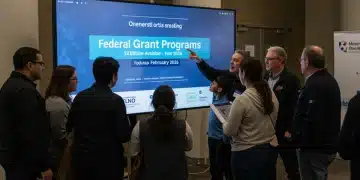
Unlocking Federal Grants for Adult Learners: $8B+ in 2025

Adult learners in the U.S. can tap into over $8 billion in federal grants by 2025, offering crucial financial support for education and career advancement opportunities.
Are you an adult looking to further your education or embark on a new career path but worried about the cost? The good news is that significant financial support is available. In 2025, over $8 billion in federal grants for adult learners will be accessible, presenting a monumental opportunity for countless individuals.
Understanding the Landscape of Federal Grants for Adult Learners
Navigating the world of financial aid can often feel overwhelming, especially for adult learners who may be balancing work, family, and other commitments. Federal grants are essentially free money provided by the government to help students pay for college or career school. Unlike loans, grants do not need to be repaid, making them an incredibly valuable resource. The sheer scale of funding—over $8 billion projected for 2025—underscores the government’s commitment to fostering lifelong learning and workforce development.
These grants are designed to support a wide array of educational pursuits, from vocational training and certificate programs to associate’s and bachelor’s degrees. The primary goal is to remove financial barriers that might otherwise prevent adults from pursuing education that enhances their skills and employability. Understanding the types of grants available and the criteria for eligibility is the first crucial step in accessing these funds.
Key Federal Grant Programs
Several foundational federal grant programs form the backbone of financial aid for adult learners. Each program has specific objectives and eligibility requirements, tailored to different educational needs and financial situations.
- Pell Grants: The most widely known federal grant, offering needs-based aid to undergraduate students, including many adult learners.
- Federal Supplemental Educational Opportunity Grants (FSEOG): For students with exceptional financial need, administered directly by participating schools.
- Teacher Education Assistance for College and Higher Education (TEACH) Grants: For students committed to teaching in high-need fields in low-income schools.
- Iraq and Afghanistan Service Grants: For students whose parent or guardian died as a result of military service in Iraq or Afghanistan after 9/11.
Beyond these, numerous other specialized grants exist, often targeting specific demographics or fields of study. These can include grants for individuals pursuing careers in healthcare, STEM fields, or public service. Researching all potential avenues is critical for maximizing financial assistance.
The landscape of federal grants is dynamic, with regulations and funding levels subject to change. Staying informed through official government channels and educational institution financial aid offices is paramount. Many grants are awarded on a first-come, first-served basis, highlighting the importance of timely application.
Eligibility Requirements and Application Process for 2025
To access the substantial federal funding available in 2025, adult learners must meet specific eligibility criteria and meticulously follow the application process. While the exact requirements can vary slightly depending on the grant, several core conditions generally apply. Understanding these prerequisites and the steps involved is crucial for a successful application.
Most federal grants are needs-based, meaning eligibility is determined primarily by your financial situation. This is assessed through the Free Application for Federal Student Aid (FAFSA). The FAFSA collects information about your income, assets, and household size to calculate your Expected Family Contribution (EFC), which schools use to determine your financial need and grant eligibility.
Navigating the FAFSA
The FAFSA is the gateway to virtually all federal student aid, including grants. For adult learners, completing the FAFSA can sometimes present unique challenges, particularly regarding dependency status. Most adult learners are considered independent students, which can simplify the application process as parental financial information is not required.
- Gather necessary documents: This includes tax returns, W-2 forms, and records of other income.
- Create an FSA ID: This electronic signature is required to complete the FAFSA online.
- Complete the FAFSA accurately: Double-check all information to avoid delays or errors.
- Submit on time: Federal and state deadlines vary, so apply as early as possible.
Beyond financial need, other common eligibility requirements include being a U.S. citizen or eligible non-citizen, having a high school diploma or GED, and maintaining satisfactory academic progress once enrolled. Certain grants may also have age restrictions or require enrollment in specific types of programs.
The application process extends beyond just the FAFSA. Many schools require additional forms or documentation. It is vital to communicate regularly with the financial aid office at your chosen institution to ensure all requirements are met. Proactive engagement can significantly improve your chances of securing funding.
Insider Knowledge: Maximizing Your Grant Opportunities
Securing federal grants often involves more than just meeting basic eligibility; it requires strategic planning and an understanding of the nuances within the system. This insider knowledge can significantly enhance your chances of tapping into the over $8 billion available for adult learners in 2025. It’s about being proactive, informed, and persistent in your pursuit of financial aid.
One critical piece of advice is to never assume you won’t qualify. Many adult learners mistakenly believe their income is too high or their circumstances too complex to receive aid. However, the FAFSA considers many factors, and eligibility thresholds can be more flexible than anticipated, particularly for older students with dependents or specific career goals. Always complete the FAFSA, regardless of your initial assumptions.
Strategic Application Tips
Beyond the FAFSA, there are several actions adult learners can take to maximize their grant prospects. These tips go beyond the basic application steps and delve into more strategic approaches.
- Research state and institutional grants: Many states and individual colleges offer their own grant programs, often supplementing federal aid.
- Consider specialized programs: Look for grants tied to your specific field of study, demographic, or career aspirations (e.g., grants for single parents, veterans, or those in high-demand professions).
- Seek out professional advice: Financial aid advisors at colleges or non-profit organizations can provide personalized guidance and help identify overlooked opportunities.
- Appeal financial aid decisions: If your financial situation changes or you believe an error occurred, you can appeal your aid package.
Additionally, demonstrating a strong academic record, even if it’s from years ago, can sometimes bolster your application for merit-based components of aid or scholarships that complement grants. For those returning to school after a long break, highlighting relevant work experience or personal achievements can also be beneficial in essays or interviews, if required.
Networking with other adult learners and staying connected with community resources can also uncover lesser-known grant opportunities or support programs. The more information you gather and the more avenues you explore, the better your chances of securing the financial assistance you need.
The Financial Impact: How Grants Transform Adult Lives
The availability of over $8 billion in federal grants for adult learners in 2025 represents more than just financial assistance; it signifies a profound opportunity for life transformation. The financial impact of these grants extends far beyond tuition fees, influencing career trajectories, economic stability, and overall quality of life for individuals and their families. This investment in adult education yields significant returns, both personally and societally.
For many adult learners, the cost of education is the primary barrier to pursuing their goals. Grants directly alleviate this burden, enabling individuals to enroll in programs they might otherwise deem unaffordable. This financial relief means less reliance on loans, reducing post-graduation debt and allowing for greater financial flexibility as they transition into new careers or advance in existing ones. The psychological benefit of not accumulating debt while studying is immense, fostering a more focused and less stressful learning environment.
Long-Term Benefits of Grant-Funded Education
Investing in education through grants has a ripple effect, creating numerous long-term advantages that extend well beyond the classroom. These benefits contribute to a stronger workforce and more resilient communities.
- Increased earning potential: Higher education and specialized training often lead to better-paying jobs and career advancement opportunities.
- Enhanced job security: Skills acquired through education make individuals more adaptable to changing job markets.
- Improved quality of life: Financial stability often correlates with better health outcomes, housing, and access to resources.
- Economic growth: A more educated workforce drives innovation, productivity, and overall economic prosperity.
Furthermore, grants can empower adult learners to pursue fields that address critical societal needs, such as healthcare, education, and technology. By supporting their education, these grants indirectly contribute to filling labor shortages in vital sectors, benefiting everyone. The impact is cyclical: grants support learners, learners contribute to the economy, and the economy can, in turn, support future educational initiatives.
The stories of adult learners whose lives have been positively altered by grant funding are numerous and inspiring. These grants are not merely subsidies; they are catalysts for personal growth, career fulfillment, and sustained economic empowerment, demonstrating the profound financial and social returns on investment in adult education.
Common Pitfalls and How to Avoid Them
While federal grants offer incredible opportunities, the application process can be fraught with common pitfalls that can delay or even derail your chances of receiving funding. Being aware of these potential issues and proactively addressing them is key to successfully navigating the system and securing your share of the over $8 billion available in 2025 for adult learners. Diligence and attention to detail are your best allies.
One of the most frequent mistakes is submitting an incomplete or inaccurate FAFSA. Even a small error can lead to significant delays, requiring corrections and potentially pushing you past crucial deadlines. It’s imperative to review all information thoroughly before submission and to respond promptly to any requests for clarification from the Department of Education or your chosen institution’s financial aid office.
Avoiding Application Errors
Careful planning and execution can prevent many common application missteps, ensuring a smoother path to grant funding. These proactive measures can save you time and frustration.
- Missing deadlines: Both federal and state deadlines are strict; mark them on your calendar and apply well in advance.
- Not understanding dependency status: Adult learners often incorrectly classify themselves, impacting the required financial information.
- Ignoring professional judgment requests: If your financial situation has changed significantly, ask your financial aid office about professional judgment options.
- Failing to follow up: Don’t assume your application is complete after submission; regularly check its status and respond to all communications.
Another common pitfall is not exploring all available grant options. Many adult learners focus solely on Pell Grants and overlook other federal, state, or institutional grants for which they might be eligible. A comprehensive search, including speaking with financial aid advisors, can uncover additional funding sources that significantly reduce out-of-pocket expenses.
Finally, maintaining satisfactory academic progress (SAP) is crucial. Most federal grants require you to meet specific academic standards to continue receiving funding. Falling below these standards can result in the loss of eligibility, forcing you to find alternative ways to finance your education. Understanding and adhering to your school’s SAP policy is essential for sustained grant support.
Future Outlook: Grant Opportunities Beyond 2025
While the focus is currently on the substantial opportunities available in 2025, it’s important for adult learners to consider the future landscape of federal grants. The commitment to supporting adult education is a long-term one, and while specific programs and funding levels may evolve, the underlying principle of investing in lifelong learning is expected to continue. Staying abreast of legislative changes and policy shifts will be vital for future planning.
Government initiatives often reflect societal needs and economic priorities. As the workforce continues to transform with advancements in technology and shifts in industry demands, the need for upskilling and reskilling adult populations will remain paramount. This ongoing demand is likely to ensure continued federal investment in educational grants, potentially with new programs emerging to address specific skills gaps or underserved populations.
Anticipating Policy Shifts and New Programs
The landscape of federal aid is not static. Future legislation and economic conditions can introduce new grant opportunities or modify existing ones. Being prepared for these changes can help adult learners plan their educational journeys effectively.
- Focus on high-demand fields: Future grants may increasingly target programs in STEM, healthcare, and green energy sectors.
- Increased support for workforce development: Expect continued emphasis on grants that facilitate rapid reskilling and credentialing for in-demand jobs.
- Simplification of application processes: Ongoing efforts to streamline the FAFSA and other aid applications may continue, making access easier.
- Expansion of online learning support: As online education becomes more prevalent, grants may adapt to better support distance learners.
Furthermore, there is a growing recognition of the unique challenges faced by adult learners, such as childcare costs, transportation, and the need for flexible learning schedules. Future grant programs might incorporate additional support mechanisms to address these non-tuition related barriers, making education more accessible to a broader range of adults.
Engaging with educational advocacy groups, staying informed through reputable news sources, and maintaining contact with financial aid professionals can provide valuable insights into upcoming opportunities. The long-term outlook for federal grants for adult learners remains promising, offering a continuous pathway for educational and career advancement.
| Key Point | Brief Description |
|---|---|
| $8 Billion+ Opportunity | Over $8 billion in federal grants are projected for adult learners in 2025, offering substantial financial aid. |
| FAFSA is Key | The Free Application for Federal Student Aid (FAFSA) is essential for accessing most federal grant programs. |
| Maximize Opportunities | Strategic research, early application, and exploring state/institutional grants are crucial for maximizing aid. |
| Transformative Impact | Grants reduce debt, increase earning potential, and enhance job security, profoundly transforming adult lives. |
Frequently Asked Questions About Federal Grants
The main advantage of a federal grant is that it does not need to be repaid, unlike a student loan. This significantly reduces the financial burden on adult learners, allowing them to pursue education without accumulating debt, thereby fostering greater financial stability post-graduation.
Eligibility for federal grants is primarily determined by completing the Free Application for Federal Student Aid (FAFSA). This form assesses your financial need based on income, assets, and household size. Most adult learners are considered independent, which can simplify the application process, so always complete the FAFSA.
Yes, many federal grants, including Pell Grants, can be used for eligible vocational training and certificate programs. These grants aim to support adult learners in acquiring in-demand skills for various industries. Always check with the program’s financial aid office to confirm eligibility for federal funding.
If your FAFSA is rejected or your aid is insufficient, contact your school’s financial aid office immediately. They can help you identify errors, discuss professional judgment options if your financial situation has changed, and explore alternative state or institutional grant opportunities to bridge any funding gaps.
While specific programs and funding levels may change, the federal government’s commitment to supporting adult education is expected to continue. As the workforce evolves, there will likely be ongoing investment in grants to help adult learners acquire new skills and advance their careers, making lifelong learning accessible.
Conclusion
The projected availability of over $8 billion in federal grants for adult learners in 2025 represents an unparalleled opportunity for educational and financial advancement. By understanding the various grant programs, meticulously navigating the application process, and employing strategic insights, adult learners can significantly reduce the financial barriers to pursuing their academic and career aspirations. These grants are not merely financial handouts; they are crucial investments in individual potential, fostering a more skilled workforce and contributing to broader economic prosperity. Embracing these opportunities can lead to profound personal transformation and a more secure future.