New Federal Air Quality Guidelines 2026: Impacting Your Home

Anúncios
Health News: Federal Guidelines for Home Air Quality in 2026 See Significant Changes – Impacting 1 in 5 Households.
The air we breathe within our homes is often taken for granted, yet it plays a crucial role in our overall health and well-being. For years, environmental health experts have highlighted the often-overlooked dangers of indoor air pollution. Now, a monumental shift is on the horizon. Federal guidelines for home air quality are undergoing significant revisions, set to take effect in 2026. These changes are not merely bureaucratic updates; they represent a proactive step towards safeguarding public health, with an estimated impact on one in five households across the nation. Understanding these new home air quality guidelines is paramount for every homeowner, renter, and health-conscious individual.
Anúncios
The Genesis of Change: Why New Home Air Quality Guidelines Are Needed
The impetus behind these updated home air quality guidelines stems from a growing body of scientific evidence linking indoor air pollutants to a wide array of health issues. From respiratory ailments like asthma and bronchitis to more severe conditions such as cardiovascular disease and certain cancers, the silent threats lurking in our indoor environments are undeniable. Historically, federal regulations have primarily focused on outdoor air quality, leaving a significant gap in addressing the environments where most Americans spend up to 90% of their time.
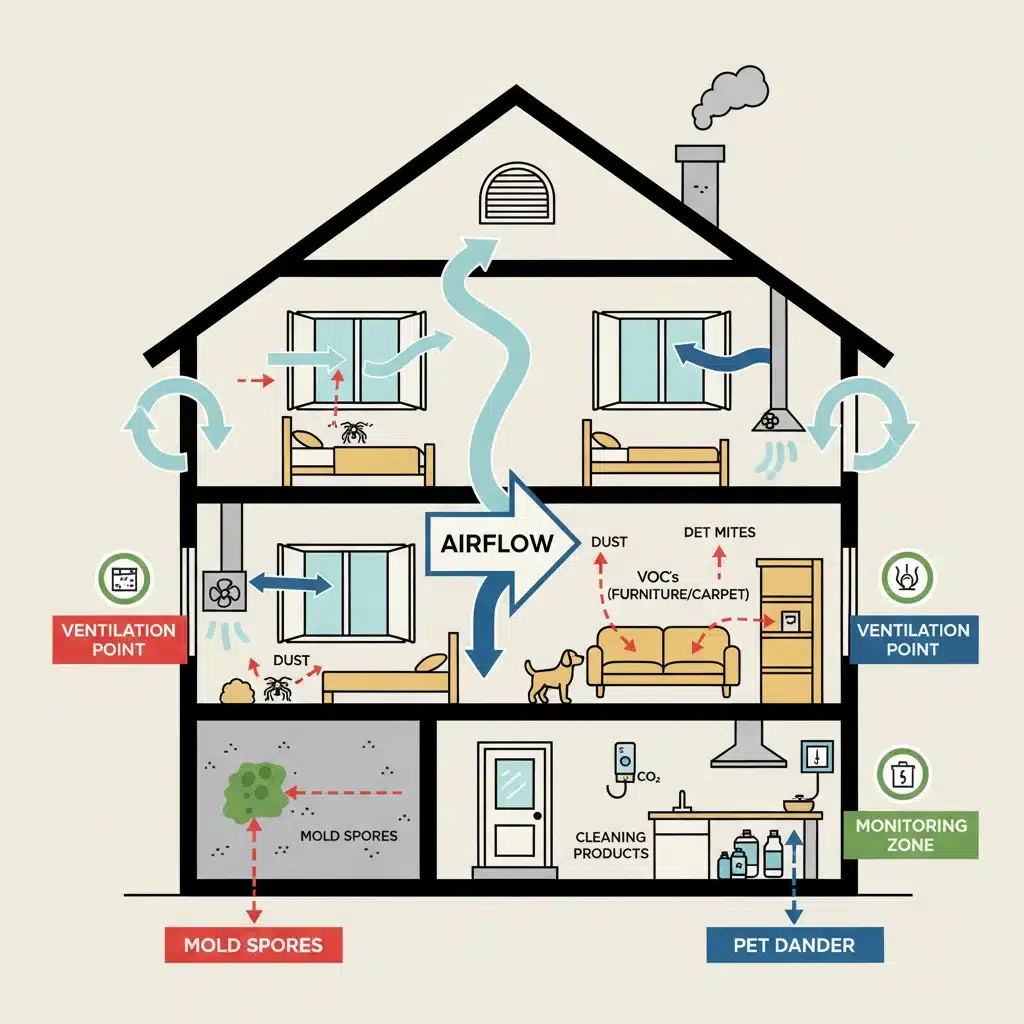
Recent studies have illuminated the complex cocktail of pollutants found indoors, including volatile organic compounds (VOCs) from building materials and cleaning products, particulate matter from cooking and heating, radon gas, mold spores, allergens, and secondhand smoke. These contaminants, often trapped in poorly ventilated spaces, can accumulate to levels far exceeding outdoor concentrations, posing a direct threat to occupants. The 2026 guidelines aim to rectify this oversight by providing a comprehensive framework for identifying, mitigating, and monitoring these indoor air quality challenges.
Furthermore, the COVID-19 pandemic underscored the critical importance of indoor air circulation and filtration in preventing the spread of airborne pathogens. This global health crisis accelerated discussions and research into optimizing indoor environments for health and safety, directly influencing the scope and urgency of the new federal directives. The upcoming home air quality guidelines are, therefore, a culmination of decades of research, public health advocacy, and recent global events emphasizing the profound connection between indoor air and human health.
Anúncios
Key Pillars of the 2026 Federal Home Air Quality Guidelines
The forthcoming regulations are structured around several key pillars, each designed to address specific aspects of indoor air pollution and promote healthier living spaces. While the full details are still being finalized, preliminary announcements highlight critical areas of focus:
1. Enhanced Ventilation Standards
One of the most significant changes will be the introduction of more stringent ventilation standards for residential buildings. The current building codes often prioritize energy efficiency, sometimes at the expense of adequate fresh air exchange. The new home air quality guidelines will mandate minimum airflow rates and specify requirements for mechanical ventilation systems in both new constructions and significant renovations. This aims to reduce the buildup of pollutants by continuously replacing stale indoor air with filtered outdoor air.
2. Limits on Specific Pollutants
For the first time, federal guidelines will establish recommended maximum exposure limits for a range of common indoor air pollutants. These include:
- Particulate Matter (PM2.5 and PM10): Fine inhalable particles from cooking, candles, fireplaces, and outdoor sources.
- Volatile Organic Compounds (VOCs): Emitted from paints, varnishes, cleaning supplies, glues, permanent markers, and certain furnishings.
- Formaldehyde: A common VOC found in pressed-wood products, glues, and some insulation.
- Radon: A naturally occurring radioactive gas that can seep into homes from the ground.
- Carbon Monoxide (CO): A colorless, odorless gas produced by incomplete combustion in furnaces, water heaters, and vehicles.
- Mold Spores: Microscopic fungi that thrive in damp environments and can trigger allergic reactions and respiratory issues.
These limits will serve as benchmarks for homeowners and building professionals, guiding efforts to identify and mitigate sources of pollution.
3. Mandatory Monitoring and Disclosure
To ensure compliance and raise awareness, the 2026 home air quality guidelines are expected to include provisions for mandatory indoor air quality testing in certain scenarios, such as before property sales or during rental agreements. There may also be requirements for landlords to disclose known indoor air quality issues to tenants. This transparency aims to empower individuals with the information needed to make informed decisions about their living environments.
4. Educational Initiatives and Public Awareness Campaigns
Recognizing that regulation alone is insufficient, the federal government plans to launch extensive educational initiatives. These campaigns will inform the public about the health risks associated with poor indoor air quality and provide practical advice on how to improve it. Resources will be made available to help households understand the new home air quality guidelines and implement effective solutions.
Impact on Households: Who Will Be Affected?
The estimate that these new home air quality guidelines will impact one in five households underscores the broad reach of these changes. This impact will manifest in several ways:
Existing Homes: Retrofits and Upgrades
For existing homes, particularly older properties, meeting the new ventilation and pollutant level standards may require retrofitting or upgrades. This could involve installing or enhancing mechanical ventilation systems, sealing radon entry points, replacing older appliances, or opting for low-VOC building materials during renovations. While these changes represent an investment, the long-term health benefits and potential increase in property value are significant.
New Constructions: Design and Material Selection
New residential constructions will need to integrate the updated home air quality guidelines from the design phase. Architects and builders will be required to prioritize advanced ventilation systems, select low-emission building materials, and ensure proper sealing to prevent pollutant infiltration. This will likely lead to healthier, more sustainable homes from the outset.
Renters: Increased Protections and Awareness
Renters stand to benefit significantly from increased protections and mandatory disclosure requirements. These guidelines will empower tenants to demand healthier living conditions and provide recourse if landlords fail to address severe indoor air quality issues. It will also foster greater transparency in the rental market, allowing individuals to choose homes that meet higher health standards.
Vulnerable Populations: Enhanced Health Outcomes
Children, the elderly, and individuals with pre-existing respiratory or cardiovascular conditions are particularly vulnerable to the effects of poor indoor air quality. The new home air quality guidelines are expected to lead to improved health outcomes for these groups, reducing instances of asthma attacks, respiratory infections, and other environmentally triggered illnesses. This represents a major public health victory.
Preparing Your Home for the 2026 Home Air Quality Guidelines: Actionable Steps
While 2026 may seem distant, proactive measures can be taken now to align your home with the upcoming home air quality guidelines. Implementing these strategies will not only prepare you for future regulations but also immediately improve your living environment and health.
1. Assess Your Current Indoor Air Quality
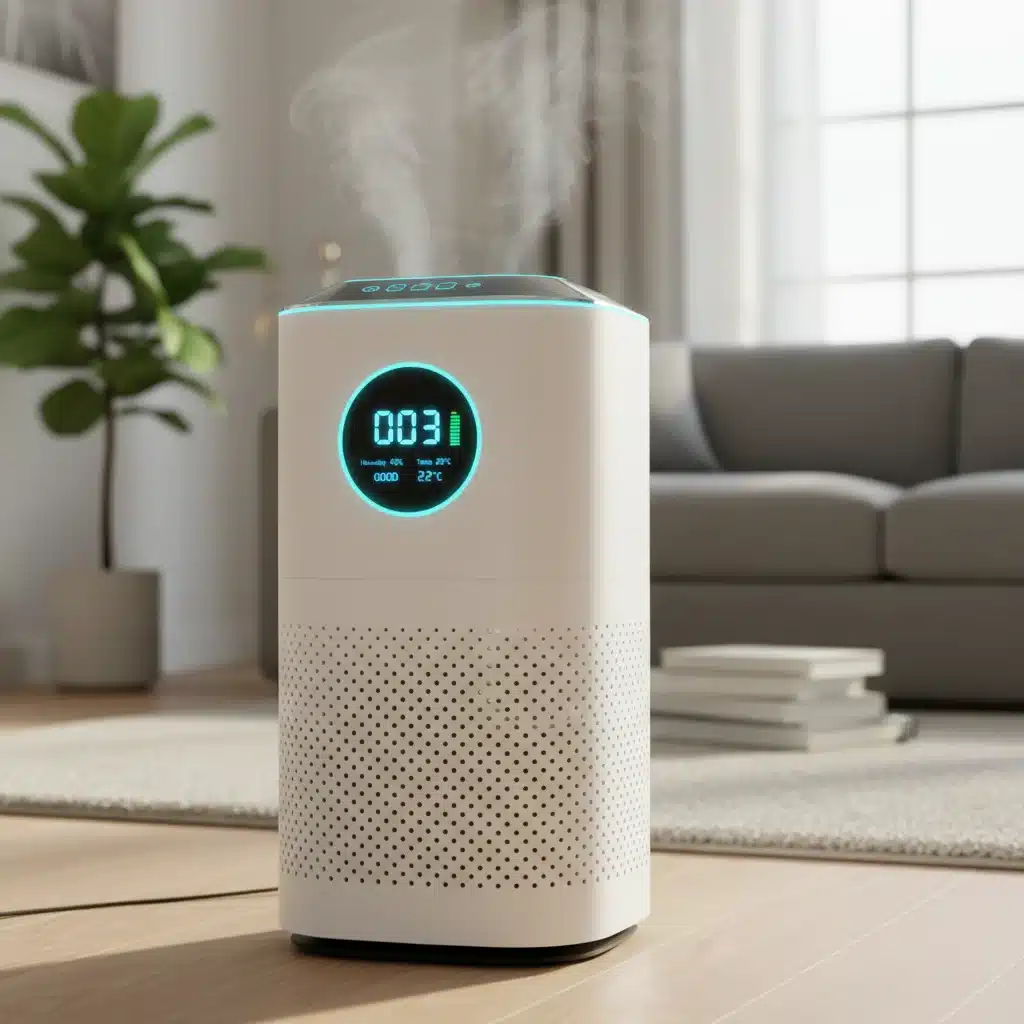
The first step is to understand what’s in your air. Consider professional indoor air quality testing, especially for radon, mold, and VOCs. Alternatively, consumer-grade air quality monitors can provide real-time data on particulate matter, CO2, and some VOCs, offering a good starting point for identifying potential issues.
2. Enhance Ventilation
Improving airflow is crucial. Regularly open windows and doors to air out your home, especially after cooking, cleaning, or showering. Ensure exhaust fans in bathrooms and kitchens are working effectively and use them consistently. Consider installing a whole-house ventilation system or energy recovery ventilator (ERV) for continuous fresh air exchange, particularly in tightly sealed homes.
3. Control Sources of Pollution
- Radon: Test your home for radon. If levels are high, install a radon mitigation system.
- VOCs: Opt for low-VOC or zero-VOC paints, furniture, and cleaning products. Allow new furniture or materials to off-gas in a well-ventilated area before bringing them indoors.
- Combustion Byproducts: Ensure all combustion appliances (furnaces, water heaters, gas stoves) are properly vented and regularly maintained. Install carbon monoxide detectors on every level of your home.
- Mold: Address any water leaks immediately. Control humidity levels with dehumidifiers in damp areas like basements. Clean and dry surfaces thoroughly to prevent mold growth.
- Allergens and Dust: Use a vacuum cleaner with a HEPA filter. Regularly clean and dust surfaces. Wash bedding frequently in hot water.
4. Utilize Air Filtration
Invest in high-efficiency particulate air (HEPA) filters for your HVAC system and change them regularly. Consider standalone air purifiers with HEPA and activated carbon filters for specific rooms, especially bedrooms or living areas where you spend a lot of time. These devices can effectively remove particulate matter, allergens, and some gaseous pollutants.
5. Educate Yourself and Your Family
Stay informed about the evolving home air quality guidelines and best practices. Teach your family about the importance of indoor air quality and how their actions (e.g., using exhaust fans, proper storage of chemicals) can contribute to a healthier home environment.
The Role of Technology in Meeting New Standards
As the 2026 home air quality guidelines approach, technological advancements will play a pivotal role in helping households comply and thrive. Smart home devices are already making significant strides in this area, offering integrated solutions for monitoring and improving indoor air.
Smart Air Quality Monitors
These devices can continuously track various pollutants (PM2.5, VOCs, CO2) and provide real-time data via smartphone apps. Many can also integrate with smart home ecosystems, triggering ventilation systems or air purifiers when pollutant levels rise.
Advanced HVAC Systems
Modern HVAC systems are increasingly incorporating advanced filtration (MERV 13+), UV-C light sanitization, and intelligent ventilation controls. These systems can automatically adjust airflow based on indoor and outdoor air quality, optimizing both health and energy efficiency.
Integrated Ventilation Solutions
Energy recovery ventilators (ERVs) and heat recovery ventilators (HRVs) are becoming more sophisticated, efficiently exchanging indoor and outdoor air while minimizing energy loss. These systems are crucial for maintaining optimal fresh air supply without compromising thermal comfort.
AI-Powered Solutions
Emerging AI technologies are being developed to predict indoor air quality issues based on factors like weather, occupancy, and appliance usage. This predictive capability allows for proactive adjustments to ventilation and filtration, maintaining ideal air quality around the clock.
Challenges and Opportunities
Implementing these new home air quality guidelines will not be without its challenges. The primary concerns include the cost of upgrades for existing homes, particularly for low-income households, and the need for widespread education and skilled labor to perform necessary installations and maintenance. Government incentives, tax credits, and community programs will be vital in ensuring equitable access to healthier homes.
However, the opportunities presented by these guidelines far outweigh the challenges. Beyond improved public health, the focus on indoor air quality will stimulate innovation in building materials, HVAC technology, and smart home solutions. It will also create new jobs in environmental testing, remediation, and green building. Furthermore, homes designed and maintained with superior air quality in mind are likely to command higher market values, offering a tangible return on investment for homeowners.
Conclusion: A Breath of Fresh Air for American Homes
The impending 2026 federal home air quality guidelines mark a pivotal moment in public health and environmental regulation. By shifting focus to the air within our homes, these changes promise to elevate the health and well-being of millions of Americans. While the transition will require effort and investment, the long-term benefits – reduced illness, enhanced comfort, and a higher quality of life – are immeasurable.
As we approach 2026, staying informed, taking proactive steps to assess and improve your home’s air quality, and embracing new technologies will be key. These guidelines are more than just regulations; they are a national commitment to ensuring that every household can enjoy a breath of fresh, clean air, contributing to a healthier and more vibrant future for all.