Breaking: New Federal Housing Initiatives for 2026 Set to Impact 1.5 Million Households Nationwide
The housing landscape in the United States is on the cusp of a significant transformation. The federal government has unveiled an ambitious suite of new federal housing initiatives slated for 2026, designed to address critical issues of affordability, accessibility, and equity across the nation. These programs are projected to directly benefit an astounding 1.5 million households, signaling a robust commitment to ensuring stable and secure housing for a broader segment of the American population. This comprehensive overview delves into the specifics of these initiatives, exploring their potential impact, target demographics, and the broader implications for the national housing market.
Anúncios
The Urgent Need for Comprehensive Federal Housing Initiatives
For years, the United States has grappled with a deepening housing crisis. Soaring home prices, stagnant wages for many, and a severe shortage of affordable rental units have pushed millions of Americans to the brink. The dream of homeownership has become increasingly elusive, and even securing stable rental accommodation presents significant challenges in many urban and rural areas. This crisis disproportionately affects low-income families, minority groups, and individuals in underserved communities, exacerbating existing social and economic inequalities. Recognizing the urgency of this situation, the new federal housing initiatives for 2026 represent a concerted effort to recalibrate the housing market and provide much-needed relief.
The previous approaches, while often well-intentioned, have frequently fallen short of creating systemic change. Fragmented programs, insufficient funding, and a lack of coordination across different levels of government have contributed to the persistent housing gap. The 2026 initiatives aim to rectify these shortcomings by adopting a holistic, multi-pronged strategy that tackles various facets of the housing challenge simultaneously. From increasing housing supply to providing direct financial assistance, these programs are designed to create a more resilient and equitable housing ecosystem.
Understanding the Scope of the 2026 Housing Plan
At its core, the 2026 plan is built upon several pillars, each addressing a distinct aspect of the housing crisis. These pillars include:
Anúncios
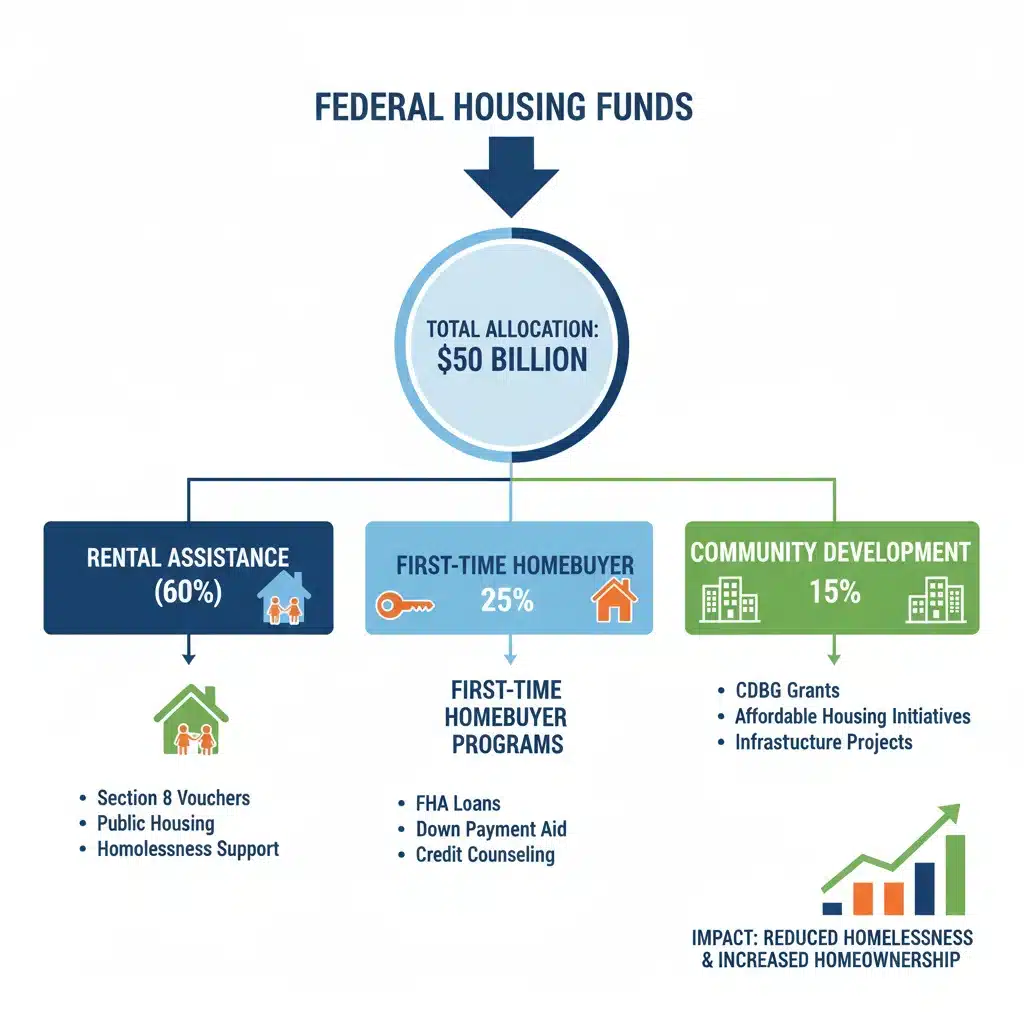
- Increased Funding for Affordable Housing Development: A substantial allocation of funds will be directed towards constructing new affordable rental units and single-family homes, particularly in areas with critical shortages.
- Expanded Rental Assistance Programs: Enhanced and expanded rental subsidies will help low-income households meet their monthly housing costs, preventing evictions and homelessness.
- First-Time Homebuyer Support: New down payment assistance programs, favorable loan terms, and educational resources will empower more first-time homebuyers to enter the market.
- Community Revitalization and Infrastructure: Investments in community development will ensure that new housing is integrated into thriving neighborhoods with access to essential services, transportation, and job opportunities.
- Homelessness Prevention and Support: Targeted interventions and increased resources will be allocated to programs aimed at preventing homelessness and providing support for individuals and families experiencing housing insecurity.
These pillars are interconnected, designed to create a synergy that maximizes the overall impact of the federal housing initiatives. The goal is not just to provide housing but to foster sustainable communities where residents can thrive.
Key Components of the New Federal Housing Initiatives
The Affordable Housing Development Fund (AHDF)
One of the cornerstone programs within the 2026 federal housing initiatives is the Affordable Housing Development Fund (AHDF). This fund will receive an unprecedented injection of federal capital, earmarked specifically for projects that create or preserve affordable housing units. The AHDF will prioritize developments that:
- Utilize sustainable building practices and energy-efficient designs.
- Are located in areas with high job growth and access to public transit.
- Incorporate mixed-income models to promote social diversity.
- Address specific regional housing needs, from urban centers to rural communities.
The AHDF will work through competitive grants and low-interest loans to developers, non-profit organizations, and local governments. A key innovation of the AHDF is its emphasis on public-private partnerships, leveraging federal funds to attract private investment and accelerate the pace of affordable housing construction. This collaborative approach is expected to streamline project approvals and reduce development costs, making more projects financially viable.
Enhanced Rental Assistance Program (ERAP)
The Enhanced Rental Assistance Program (ERAP) is set to significantly broaden the reach and impact of existing rental subsidy programs. ERAP will expand eligibility criteria, making rental assistance available to a larger number of low-income households who currently struggle with housing costs. Furthermore, the program will simplify the application process and provide more flexible subsidy structures, allowing assistance to adapt to varying market conditions and individual household needs.
A crucial aspect of ERAP is its focus on preventing evictions. Through early intervention services, legal aid partnerships, and direct financial assistance to cover rent arrears, ERAP aims to stabilize housing for vulnerable families before they face eviction. This proactive approach is not only humanitarian but also economically sound, as preventing homelessness is often more cost-effective than addressing its consequences.
The American Dream Homeownership Program (ADHP)
Recognizing the importance of homeownership as a pathway to wealth creation and stability, the American Dream Homeownership Program (ADHP) is designed to make owning a home a reality for more Americans. This program will introduce:
- Expanded Down Payment Assistance: Increased grants and forgivable loans for first-time homebuyers to cover down payments and closing costs.
- Flexible Mortgage Products: New mortgage options with lower interest rates and more flexible underwriting standards, specifically tailored for moderate-income buyers.
- Homebuyer Education and Counseling: Mandatory yet comprehensive educational programs to equip prospective homeowners with the knowledge and tools needed for successful homeownership, including financial literacy and home maintenance.
- Credit Repair Assistance: Resources and counseling services to help individuals improve their credit scores, making them eligible for better loan terms.
The ADHP aims to dismantle systemic barriers that have historically excluded certain populations from homeownership, particularly minority groups and those with limited financial resources. By providing a comprehensive support system, these federal housing initiatives will empower more individuals to achieve the American dream.
Impact on 1.5 Million Households: A Detailed Look
Direct Benefits and Economic Uplift
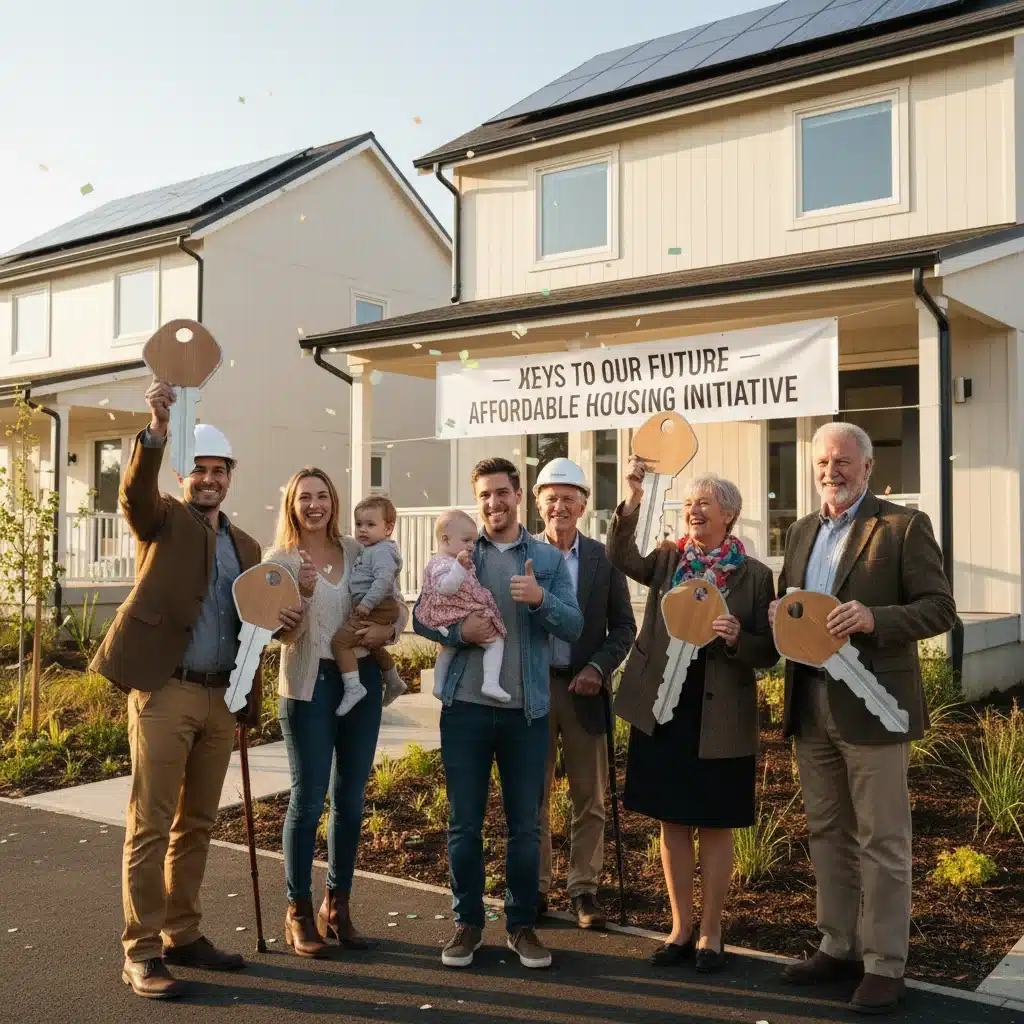
The projection of impacting 1.5 million households is not merely a statistic; it represents tangible improvements in the lives of millions of Americans. For those receiving rental assistance, it means greater financial stability, reduced stress, and the ability to allocate resources to other essential needs like food, healthcare, and education. For first-time homebuyers, it signifies the opportunity to build equity, secure a stable future for their families, and contribute to their communities as homeowners.
Beyond individual households, the economic ripple effects of these federal housing initiatives are expected to be substantial. Increased construction activity will generate jobs in the building sector and related industries. Stable housing leads to better educational outcomes for children, improved public health, and reduced crime rates, all of which contribute to a more robust and productive economy. When people have secure housing, they are better positioned to participate in the workforce and contribute to their local economies.
Addressing Regional Disparities
One of the critical objectives of the 2026 plan is to address the significant regional disparities in housing affordability and availability. The initiatives include provisions for tailored approaches that recognize the unique challenges faced by different regions. For instance, urban areas with high land costs may receive incentives for high-density, transit-oriented developments, while rural communities might benefit from programs supporting manufactured housing or rehabilitation of existing properties. This localized flexibility ensures that the federal housing initiatives are effective and relevant across the diverse geographical landscape of the United States.
The plan also includes targeted support for areas recovering from natural disasters or experiencing economic downturns, providing a crucial safety net and stimulus for housing recovery and revitalization. This adaptability is key to the long-term success and widespread impact of the programs.
Challenges and Opportunities Ahead
Potential Obstacles to Implementation
While the new federal housing initiatives are ambitious and promising, their implementation will not be without challenges. Potential obstacles include:
- Funding Sustainability: Ensuring consistent and adequate funding beyond the initial allocation will be crucial for the long-term success of the programs.
- NIMBYism (Not In My Backyard): Overcoming local resistance to new affordable housing developments, often fueled by concerns about property values or neighborhood character.
- Labor Shortages and Supply Chain Issues: The construction industry faces ongoing challenges with labor availability and material costs, which could impact the pace of new housing development.
- Bureaucratic Hurdles: Streamlining administrative processes and ensuring efficient coordination between federal, state, and local agencies will be vital to avoid delays and inefficiencies.
Addressing these challenges will require ongoing political will, innovative solutions, and strong collaboration among all stakeholders.
Opportunities for Innovation and Collaboration
Despite the challenges, the 2026 federal housing initiatives present significant opportunities for innovation. The emphasis on sustainable building practices encourages the adoption of new technologies and materials that reduce environmental impact and long-term operating costs. The focus on community revitalization opens doors for integrated planning that considers housing alongside education, healthcare, and economic development.
Furthermore, the initiatives are expected to foster greater collaboration between government entities, non-profit organizations, private developers, and community groups. This multi-sector approach can lead to more creative solutions and a stronger, more unified effort to tackle the housing crisis. The success of these programs will ultimately depend on the collective commitment to their goals.
Long-Term Vision and Future Implications
Reshaping the Housing Market
The long-term vision of these federal housing initiatives extends beyond simply providing homes; it aims to fundamentally reshape the American housing market. By increasing supply, enhancing affordability, and promoting equitable access, the programs seek to stabilize housing costs, reduce speculative practices, and create a more balanced market that serves the needs of all income levels. This could lead to a more sustainable housing market less prone to boom-and-bust cycles.
Moreover, the focus on sustainable and resilient housing construction will contribute to broader environmental goals, reducing carbon footprints and preparing communities for the impacts of climate change. This forward-thinking approach ensures that the housing solutions of today are also solutions for tomorrow.
Empowering Communities and Individuals
Ultimately, the most profound impact of the 2026 federal housing initiatives will be on the empowerment of individuals and communities. When people have safe, affordable, and stable housing, they are better able to pursue educational opportunities, maintain employment, improve their health, and participate actively in civic life. This stability is the bedrock upon which thriving communities are built.
The programs are designed to break cycles of poverty and disadvantage by providing a critical foundation for upward mobility. By investing in housing, the federal government is investing in human potential and the future prosperity of the nation. The ripple effect of 1.5 million households gaining housing security will be felt across generations, creating a more equitable and opportunity-rich society.
Conclusion: A New Era for Federal Housing Initiatives
The announcement of the new federal housing initiatives for 2026 marks a pivotal moment in addressing America’s housing crisis. With a comprehensive strategy encompassing affordable housing development, expanded rental assistance, and robust homeownership support, these programs are poised to make a profound difference for 1.5 million households nationwide. While challenges in implementation will undoubtedly arise, the commitment to a holistic, collaborative, and innovative approach offers significant hope.
This bold vision represents more than just a policy shift; it is an investment in the foundational well-being of the American people and the long-term health of its communities. As these initiatives roll out, their success will not only be measured in the number of homes built or subsidies provided but in the countless lives transformed and the stronger, more resilient communities that emerge as a result. The future of housing in America is looking brighter, thanks to these groundbreaking federal efforts.