Unemployment Benefits 2026: Maximizing Your Weekly Payouts Guide

Understanding and effectively utilizing unemployment benefits in 2026 requires a proactive approach to eligibility, application, and adherence to state-specific requirements to ensure maximized weekly payouts for financial stability.
Facing job loss can be a daunting experience, but understanding your rights and the resources available is crucial for maintaining financial stability. This comprehensive guide on Navigating Unemployment Benefits: A 2026 Guide to Maximizing Your Weekly Payouts will equip you with the knowledge needed to confidently navigate the unemployment insurance system in the United States, ensuring you receive the support you deserve during challenging times.
Understanding Unemployment Insurance in 2026
Unemployment insurance (UI) is a joint federal and state program that provides temporary financial assistance to eligible workers who are unemployed through no fault of their own. In 2026, while the core principles remain, specific state regulations and federal guidelines may have evolved, making it essential to stay informed about the latest requirements. The primary goal of UI is to offer a safety net, allowing individuals to cover basic living expenses while actively seeking new employment.
The program is funded through taxes paid by employers, not by the employees themselves. This means that if you’ve been employed, your employer has likely been contributing to this fund on your behalf. Understanding this fundamental aspect helps demystify the program and underscores its role as an earned benefit rather than a welfare program.
Key Federal and State Program Dynamics
While federal law establishes general guidelines for unemployment insurance, each state administers its own UI program within these parameters. This leads to significant variations in eligibility requirements, benefit amounts, and the duration of benefits. In 2026, these state-specific nuances are as critical as ever to comprehend.
- State-Specific Eligibility: Each state defines what constitutes “no fault of your own” unemployment and sets minimum earnings or work history requirements.
- Benefit Amounts: Weekly benefit amounts are calculated based on a percentage of your past earnings, up to a state-determined maximum.
- Benefit Duration: The standard duration for regular unemployment benefits is typically 26 weeks, but this can vary by state and may be extended during periods of high unemployment through federal programs.
- Active Job Search Requirements: Most states require beneficiaries to actively search for work and report their efforts regularly to continue receiving benefits.
The interplay between federal mandates and state implementation means that what applies in California might differ substantially from New York, or Texas. Therefore, your first step in understanding unemployment benefits in 2026 should always be to consult your specific state’s unemployment agency website.
Eligibility Requirements: What You Need to Know
Determining your eligibility for unemployment benefits is the foundational step in the application process. While specific criteria vary by state, several universal requirements generally apply across the United States. Meeting these conditions is paramount to a successful claim.
Generally, you must have lost your job through no fault of your own. This typically means you were laid off due to economic conditions, a company downsizing, or your position was eliminated. If you quit your job voluntarily or were fired for misconduct, your eligibility might be challenged or denied. However, there are exceptions, such as quitting for good cause (e.g., unsafe working conditions, medical reasons, or to escape domestic violence).
Work History and Earnings Thresholds
States require you to have worked a certain amount and earned a specific wage during a “base period” (typically the first four of the last five completed calendar quarters before you filed your claim). This ensures that benefits are provided to individuals with a recent attachment to the workforce.
- Minimum Earnings: You must have earned a minimum amount of wages during your base period. This amount varies significantly by state.
- Work Duration: Some states also require a certain number of weeks worked within the base period, in addition to earnings.
- Sufficient Wages: Your earnings must meet a specific threshold to qualify for a meaningful weekly benefit amount.
It’s wise to gather your employment records, including pay stubs and W-2 forms, before applying. This documentation will help you accurately report your work history and earnings, which are critical for the state agency to calculate your potential benefits. Understanding these thresholds upfront can save you considerable time and potential frustration during the application process.
The Application Process: Step-by-Step Guide for 2026
Applying for unemployment benefits can seem complex, but breaking it down into manageable steps makes the process much clearer. In 2026, most states heavily rely on online portals for applications, streamlining the submission and tracking of claims. Familiarizing yourself with these platforms is a key part of successful navigation.
Before you begin, gather all necessary documentation. This includes your Social Security number, driver’s license or state ID, mailing address, phone number, email address, employment history for the past 18-24 months (including employer names, addresses, phone numbers, dates of employment, and reasons for separation), and gross earnings. If you were separated from military service or worked for the federal government, you’ll need specific forms related to that employment. Having these ready will significantly expedite your application.
Submitting Your Claim and Weekly Certifications
Most states require you to file your claim online, although phone applications may be available for those without internet access. After submitting your initial application, you will typically receive a monetary determination, informing you of your potential weekly benefit amount and the total amount of benefits you are eligible for. This determination is based on your reported earnings during the base period.
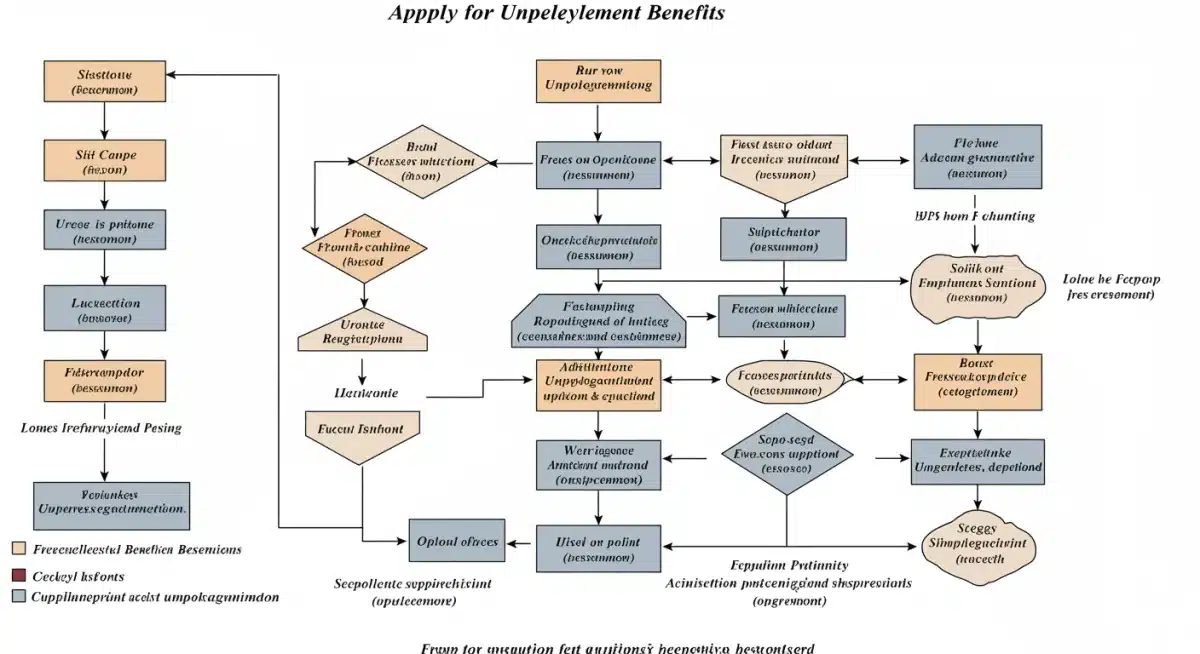
Crucially, receiving benefits isn’t a one-time event. You must file weekly or bi-weekly certifications to continue receiving payments. During these certifications, you will typically be asked to confirm your availability for work, report any earnings from part-time work, and attest to your active job search efforts. Failing to submit these certifications or providing inaccurate information can lead to delays or disqualification.
- Online Application: Utilize your state’s unemployment agency website for the most efficient application process.
- Accurate Information: Double-check all entered data to avoid processing delays.
- Weekly Certifications: Understand the schedule and requirements for submitting regular certifications to maintain benefits.
- Job Search Log: Keep a detailed record of your job search activities, as this may be requested for verification.
The application process requires diligence and attention to detail. Staying organized and proactive in submitting required information and certifications will ensure a smoother experience and timely receipt of your unemployment benefits.
Maximizing Your Weekly Payouts and Benefit Duration
While unemployment benefits offer a temporary financial cushion, maximizing your weekly payout and understanding benefit duration are key to effective financial planning during unemployment. Many factors influence these aspects, and being informed can help you make the most of the assistance available.
Your weekly benefit amount is primarily calculated based on your earnings during your state’s defined “base period.” Generally, the higher your earnings within this period, the higher your potential weekly benefit, up to a state-imposed maximum. It’s important to ensure all your past employers and earnings are accurately reported on your application to receive the correct calculation. If you believe your earnings were miscalculated, you have the right to appeal the monetary determination.
Understanding Extensions and Additional Programs
The standard duration for unemployment benefits in most states is 26 weeks. However, during periods of high unemployment or economic downturns, federal and state governments may implement extended benefit programs. These extensions provide additional weeks of benefits beyond the regular state limit.
- Extended Benefits (EB): Federal law allows for Extended Benefits during periods of high unemployment, typically triggered by specific state unemployment rates.
- Federal Unemployment Compensation (FPUC): Historically, federal programs like FPUC have provided additional weekly payments on top of state benefits during national emergencies, though these are not permanently active.
- Training Opportunities: Some states offer programs that allow you to continue receiving benefits while enrolled in approved training or education programs, which can exempt you from certain job search requirements.
Staying informed about current economic conditions and any new federal or state legislation regarding unemployment benefits in 2026 is crucial. These additional programs can significantly impact your total benefit duration and overall financial support. Regularly checking your state’s unemployment agency website or subscribing to their updates can help you identify if such extensions become available.
Avoiding Common Pitfalls and Denials
Navigating the unemployment benefits system can be challenging, and many applicants encounter pitfalls that can lead to delays or outright denial of benefits. Being aware of these common issues can help you avoid them and ensure a smoother process for receiving your weekly payouts.
One of the most frequent reasons for denial is providing incomplete or inaccurate information on your application. It is vital to be meticulous when filling out forms, ensuring all dates, employer details, and earnings are correct. Any discrepancies can trigger a review, delaying your benefits. Furthermore, misrepresenting the reason for your separation from your last job can also lead to serious consequences, including benefit denial and potential fraud charges.
Understanding Appeals and Maintaining Eligibility
If your claim is denied, or you disagree with the benefit amount, you have the right to appeal the decision. The appeals process typically involves several stages, starting with an initial reconsideration, followed by a hearing with an administrative law judge, and potentially further appeals to higher courts. Understanding the deadlines and procedures for appeals is critical.
- Timely Appeals: Most states have strict deadlines for filing appeals, often within a few weeks of receiving a denial notice.
- Gather Evidence: Collect all relevant documents, such as termination letters, pay stubs, and any communication with your former employer, to support your appeal.
- Job Search Compliance: Continuously meet your state’s job search requirements, even while an appeal is pending, to maintain eligibility should your appeal be successful.
- Report Earnings: Accurately report any part-time earnings or severance pay, as failure to do so can result in overpayments that you will be required to repay.
Maintaining eligibility requires ongoing effort. This includes actively seeking work, being available for suitable employment, and accurately reporting any changes in your circumstances. Proactive communication with your state’s unemployment agency and adherence to all regulations are your best defenses against potential denials.
Financial Planning While Receiving Unemployment Benefits
Receiving unemployment benefits provides a critical financial lifeline, but it’s essential to use this period to strategically plan your finances. This involves careful budgeting, exploring additional resources, and preparing for your next employment opportunity. A proactive approach to financial management can alleviate stress and ensure long-term stability.
Start by creating a detailed budget that accounts for your reduced income. Prioritize essential expenses such as housing, utilities, food, and healthcare. Identify areas where you can cut back, even temporarily, to stretch your benefits further. Remember that unemployment benefits are typically taxable income, so it’s wise to set aside a portion for taxes or opt for tax withholding if your state allows it.
Exploring Additional Support and Resources
Unemployment benefits are often just one component of a broader support system. Don’t hesitate to explore other available resources that can supplement your income or reduce your expenses during this period.
- Food Assistance Programs: Look into programs like SNAP (Supplemental Nutrition Assistance Program) to help cover grocery costs.
- Housing Assistance: Some local and federal programs offer rental assistance or help with utility bills.
- Healthcare Options: Explore Medicaid or marketplace health insurance subsidies to ensure continued medical coverage.
- Job Training and Placement Services: State workforce agencies often provide free job search assistance, resume writing workshops, and training opportunities.
Beyond financial aid, focus on professional development. Use this time to update your resume, enhance your skills, and network. Many online platforms offer free or low-cost courses that can boost your employability. By combining prudent financial management with active career development, you can transform a period of unemployment into an opportunity for growth and a stronger financial future.
The Future of Unemployment Benefits: Outlook for 2026 and Beyond
The landscape of unemployment benefits is constantly evolving, influenced by economic shifts, technological advancements, and legislative changes. Looking ahead to 2026 and beyond, several trends and potential developments could impact how unemployment insurance programs operate and what beneficiaries can expect.
One notable area of focus is the modernization of state UI systems. Many states still rely on outdated technology, which can lead to processing delays and administrative burdens. Efforts are underway to upgrade these systems, aiming for more efficient claim processing, improved communication with applicants, and better fraud detection. This modernization could mean a smoother experience for applicants in the coming years.
Potential Policy Changes and Economic Impacts
Policy discussions around unemployment benefits often revolve around adequacy, equity, and responsiveness to economic crises. In 2026, we might see ongoing debates about increasing weekly benefit amounts, extending benefit durations, or expanding eligibility to include more types of workers, such as gig economy independent contractors, who have historically had limited access to UI.
- Benefit Adequacy: Discussions may continue regarding whether current benefit levels are sufficient to cover basic living costs in various regions.
- Gig Worker Inclusion: There’s a growing push to adapt UI programs to better serve the evolving nature of work, particularly the rise of the gig economy.
- Automated Systems: Increased reliance on AI and automation for claim processing could lead to faster determinations but also raise concerns about fairness and human oversight.
- Federal Role: The extent of federal intervention during future economic downturns, including potential federal supplements to state benefits, will likely remain a topic of legislative debate.
Economic forecasts for 2026 will also play a significant role. A robust economy might lead to fewer federal extensions and a return to stricter state-level requirements, while an economic slowdown could trigger broader support measures. Staying attuned to these broader trends and policy discussions will provide a more complete picture of the future of unemployment benefits and how they might affect you.
| Key Aspect | Brief Description |
|---|---|
| Eligibility Criteria | Must be unemployed through no fault of your own and meet state-specific work history/earnings. |
| Application Process | Primarily online, requires accurate documentation and consistent weekly certifications. |
| Maximizing Payouts | Ensure accurate earnings reporting; understand potential extensions and additional programs. |
| Avoiding Denials | Provide complete information, meet job search requirements, and understand the appeals process. |
Frequently Asked Questions About Unemployment Benefits in 2026
In 2026, primary eligibility generally requires you to be unemployed through no fault of your own, such as a layoff. You must also meet state-specific work history and earnings thresholds during a defined base period, and be actively looking for work, and available for suitable employment.
Your weekly benefit amount is typically calculated based on a percentage of your average earnings during your state’s base period. Each state has its own formula and a maximum weekly benefit amount. Accurate reporting of all your past wages is crucial for this calculation.
If your claim is denied, you have the right to appeal the decision. States have specific procedures and strict deadlines for filing appeals, which usually start with an initial reconsideration and may progress to a hearing. It’s important to gather all supporting documentation.
Yes, unemployment benefits are considered taxable income by both federal and, in most cases, state governments. It is advisable to have taxes withheld from your weekly payments or set aside a portion of your benefits to cover your tax obligations to avoid a large tax bill later.
Yes, in many states, you can work part-time and still receive partial unemployment benefits. However, you must accurately report all earnings from part-time work when you file your weekly certifications. Your benefit amount will typically be reduced based on your earnings, often dollar-for-dollar after a small disregard.
Conclusion
Navigating unemployment can be a challenging journey, but understanding the intricacies of unemployment benefits in 2026 is a powerful tool for financial resilience. By proactively familiarizing yourself with eligibility requirements, diligently following the application process, and strategically managing your finances, you can maximize your weekly payouts and ensure a more stable transition during job loss. Staying informed about state-specific regulations and potential policy changes will further empower you to leverage this vital safety net effectively, allowing you to focus on securing your next employment opportunity with greater peace of mind.