WIC Program Updates 2026: Up To $40 More in Monthly Nutrition Support

Anúncios
WIC Program Updates 2026: How New Food Packages Can Provide Up To $40 More in Monthly Nutrition Support
Anúncios
Exciting news is on the horizon for millions of families across the United States. The Special Supplemental Nutrition Program for Women, Infants, and Children (WIC) is set to undergo significant enhancements in 2026, promising a substantial boost in nutritional support for eligible participants. These WIC program updates are designed to better meet the dietary needs of pregnant, postpartum, and breastfeeding individuals, as well as infants and young children, by increasing the value of monthly food packages. For many, this could translate into receiving up to $40 more in vital food benefits each month, a change that could profoundly impact household food security and health outcomes.
Understanding these upcoming WIC program updates is crucial for current and prospective participants. The changes reflect a commitment to providing healthier food options and greater flexibility in how families utilize their benefits. This article will delve into the specifics of the 2026 WIC program adjustments, explore the rationale behind these improvements, and discuss the potential positive impacts on families and communities. We will also provide practical advice on how to prepare for these changes and maximize the benefits available through the WIC program. The overarching goal is to ensure that every eligible individual has access to the nutritious foods essential for healthy growth and development.
The Rationale Behind the 2026 WIC Program Updates
The WIC program has long been a cornerstone of public health, addressing nutritional deficiencies among vulnerable populations. However, dietary guidelines and economic realities evolve, necessitating periodic adjustments to federal assistance programs. The impending WIC program updates for 2026 are a direct response to current nutritional science, inflation, and the ongoing effort to combat food insecurity. Experts and policymakers have recognized the need to increase the purchasing power of WIC benefits to ensure participants can afford a wider array of healthy foods.
Anúncios
One of the primary drivers for these updates is the latest scientific recommendations from the National Academies of Sciences, Engineering, and Medicine (NASEM). NASEM’s comprehensive review of the WIC food packages highlighted areas where improvements could be made to align with the Dietary Guidelines for Americans and promote healthier eating patterns. Their recommendations emphasized increasing access to fruits, vegetables, and whole grains, while also providing more flexibility in food choices to accommodate cultural preferences and dietary restrictions.
Furthermore, the rising cost of living and persistent inflation have eroded the real value of existing WIC benefits. For many families, the previous benefit levels simply weren’t enough to cover the cost of a truly nutritious diet. By increasing the monthly food package value by up to $40, the federal government aims to restore and enhance the program’s effectiveness, ensuring that WIC recipients are not left behind by economic shifts. These proactive WIC program updates are a testament to the program’s adaptability and its unwavering commitment to supporting the health of mothers, infants, and young children.
Key Areas of Change in the WIC Food Packages
The 2026 WIC program updates will introduce several significant changes to the food packages, impacting the types and quantities of foods participants can receive. While the exact details may vary slightly by state and individual needs, the general direction is towards more fruits, vegetables, and whole grains, alongside greater flexibility for specific dietary requirements. Here’s a breakdown of the anticipated key areas of change:
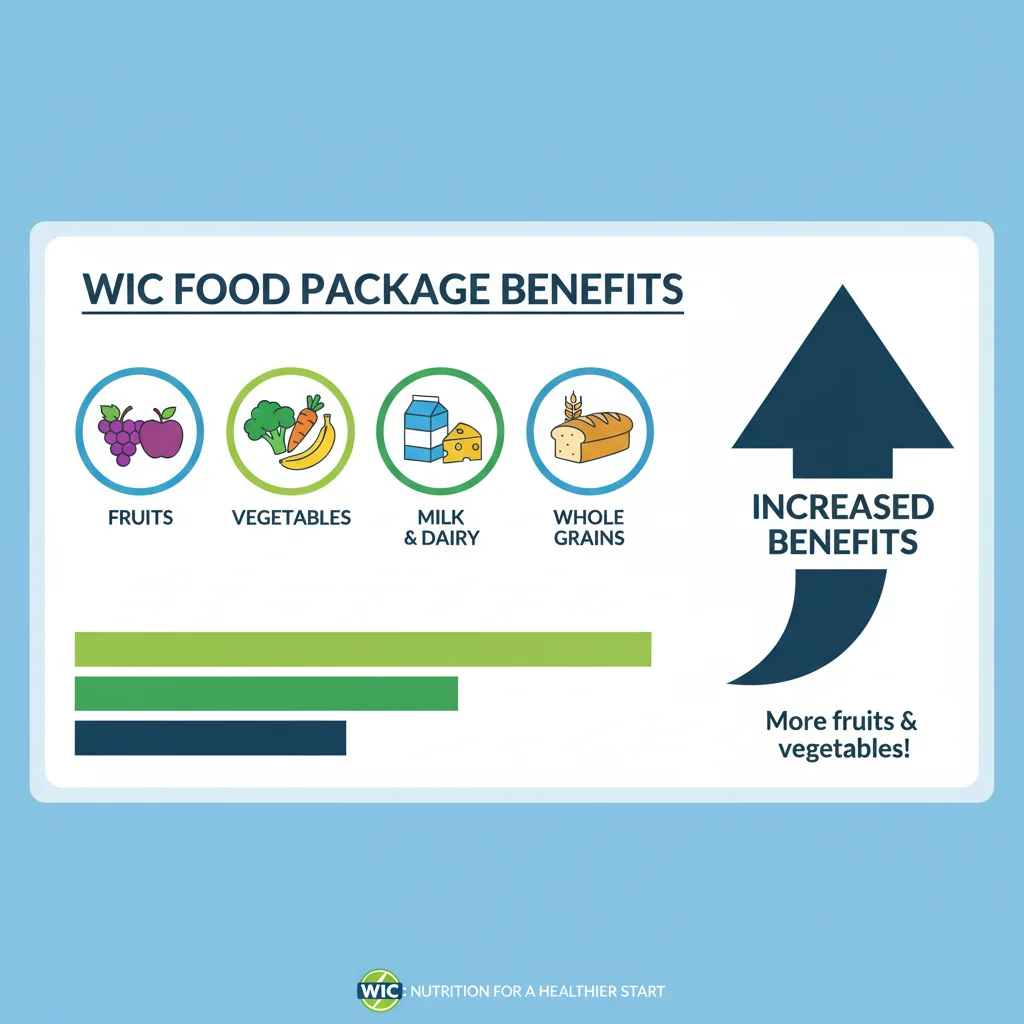
- Increased Cash Value Benefit (CVB) for Fruits and Vegetables: This is perhaps the most impactful change. The monthly cash value benefit for fruits and vegetables is expected to see a substantial increase, potentially providing up to an additional $40 for some participants. This allows families to purchase a wider variety of fresh, frozen, or canned fruits and vegetables, which are crucial for a healthy diet. This move directly addresses NASEM’s recommendations to prioritize these nutrient-dense foods.
- Enhanced Whole Grain Options: The updates will likely expand the types and quantities of whole grain foods available. This could include more choices for whole-wheat bread, brown rice, tortillas, and other whole-grain products, making it easier for families to meet their daily fiber and nutrient needs.
- Greater Flexibility in Dairy and Milk Alternatives: While milk remains a core component, the new regulations are expected to offer more flexibility for individuals with lactose intolerance or those who prefer plant-based alternatives. This could mean a broader selection of lactose-free milk and fortified soy beverages.
- Adjustments to Cereal and Juice Allowances: There may be minor adjustments to the quantities of certain items like cereals and juices, with an emphasis on lower-sugar, healthier options. The goal is to ensure that these items contribute positively to a balanced diet without excess sugars.
- Streamlined Food List: Efforts are also underway to simplify the WIC approved food list, making it easier for participants to identify eligible items in grocery stores. This reduces confusion and enhances the shopping experience.
These changes are not merely about increasing dollar amounts; they are about fostering healthier eating habits and empowering families to make informed dietary choices. The focus on nutrient-dense foods is a proactive step towards preventing chronic diseases and promoting long-term well-being.
Who Benefits Most from the WIC Program Updates?
The 2026 WIC program updates are designed to benefit all eligible participants, but certain groups are expected to see the most significant positive impacts. These include:
- Pregnant and Breastfeeding Individuals: These groups have elevated nutritional needs to support both their own health and the development of their babies. The increased fruit and vegetable benefits, along with expanded dairy and whole grain options, will be particularly beneficial for ensuring adequate intake of essential vitamins, minerals, and fiber. Exclusive breastfeeding mothers, in particular, often receive higher food packages, and these updates will further enhance their support.
- Infants and Young Children: The early years of life are critical for growth and development. The enhanced food packages will provide more resources for nutrient-rich foods essential for infants transitioning to solid foods and for toddlers establishing healthy eating patterns. This early nutritional support can have lasting positive effects on cognitive development, physical health, and academic performance.
- Families Facing Food Insecurity: For households struggling to afford healthy food, the additional $40 in monthly benefits can make a substantial difference. It can alleviate financial strain, reduce trips to food banks, and ensure consistent access to a wider variety of nutritious items. This direct financial injection into food budgets is a powerful tool against food insecurity.
- Individuals with Dietary Restrictions or Cultural Preferences: The anticipated greater flexibility in food choices will be a boon for those with specific dietary needs, such as lactose intolerance, or families who prefer culturally relevant foods. This inclusivity ensures that the WIC program effectively serves the diverse communities it aims to support.
Ultimately, these WIC program updates represent an investment in the health and future of the nation’s most vulnerable populations. By strengthening the nutritional safety net, WIC helps build healthier communities from the ground up.
Navigating the Changes: What Participants Need to Know
While the 2026 WIC program updates promise significant improvements, it’s natural for participants to have questions about how these changes will affect them directly. Here’s what you need to know to prepare for and maximize your updated benefits:
When Will the Changes Take Effect?
The federal regulations for these WIC program updates are expected to be fully implemented by 2026. However, some states may begin to roll out aspects of the new food packages earlier, depending on their administrative capacity and readiness. It’s essential to stay in close communication with your local WIC clinic for precise timelines specific to your area. They will be the best source for up-to-the-minute information regarding the transition.
How to Access the Increased Benefits
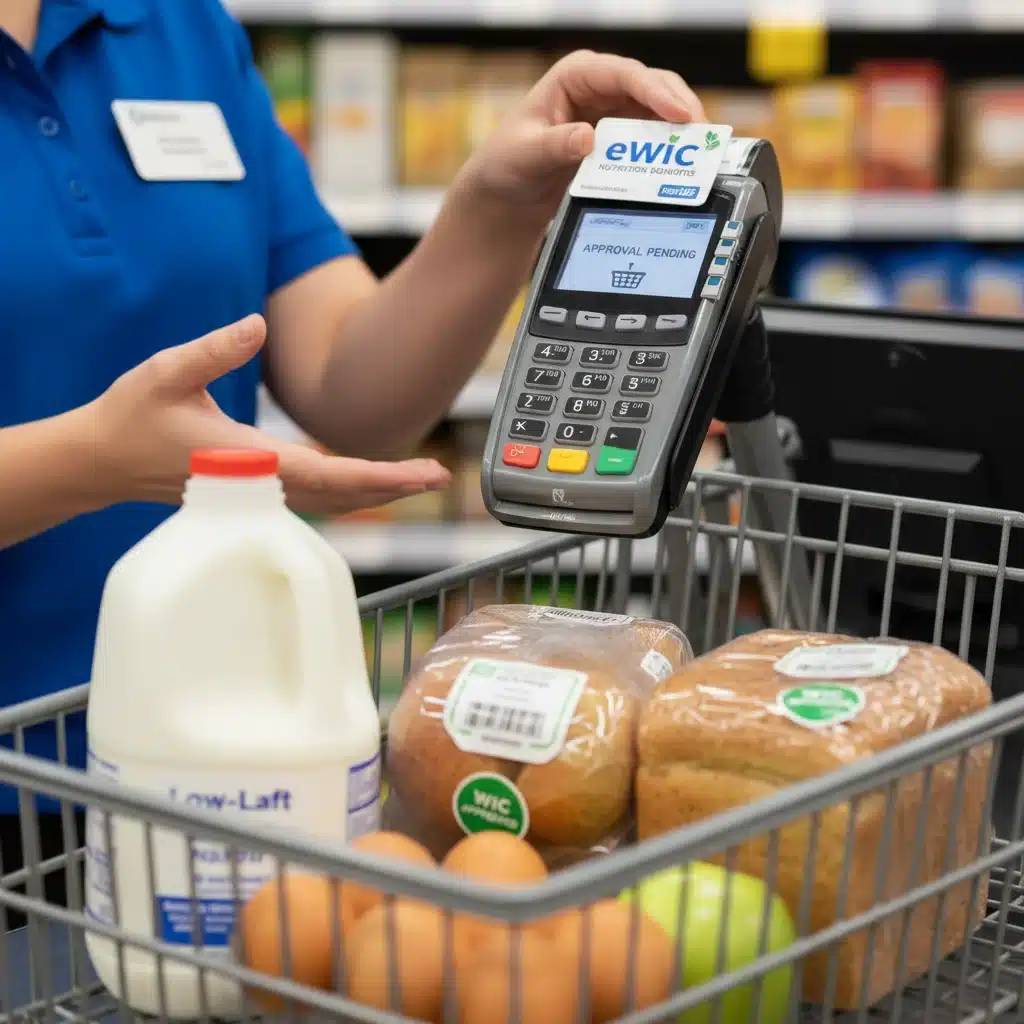
For most current WIC participants, the process for accessing increased benefits will remain largely the same. Benefits are typically loaded onto an eWIC card, which functions much like a debit card at authorized grocery stores. The increased dollar amounts for food packages will automatically be reflected in your monthly balance. New applicants will receive their eWIC cards and benefit information upon enrollment.
It’s crucial to attend your scheduled WIC appointments, as these are opportunities to discuss your nutritional needs with WIC staff, receive updated information on the food list, and ensure your benefits are tailored to your family’s specific requirements. WIC nutritionists can provide personalized guidance on how to best utilize the expanded food package to support healthy eating habits.
Understanding the New Food List
With changes to food packages come potential adjustments to the WIC approved food list. While the core categories of healthy foods will remain, there might be new brands, sizes, or types of products added, especially in the fruit, vegetable, and whole grain categories. Your local WIC clinic will provide updated shopping guides and resources to help you navigate these changes. Many states also offer online tools or apps that allow you to check if a product is WIC-eligible by scanning its barcode.
Take the time to review the updated food list as soon as it becomes available. This will help you plan your grocery shopping more effectively and ensure you’re making the most of your increased benefits. Don’t hesitate to ask WIC staff any questions you have about specific food items or categories.
Beyond the Plate: The Broader Impact of Enhanced WIC Benefits
The positive effects of the 2026 WIC program updates extend far beyond simply increasing the amount of food on families’ tables. These enhancements have the potential to create a ripple effect, improving public health, strengthening local economies, and fostering greater equity.
Improved Public Health Outcomes
By providing more resources for nutrient-dense foods, WIC contributes directly to better health outcomes. Adequate nutrition during pregnancy and early childhood is linked to a reduced risk of preterm birth, lower infant mortality rates, and improved cognitive development. For children, consistent access to healthy foods can lead to better school performance, fewer diet-related illnesses, and a stronger immune system. The increased emphasis on fruits and vegetables can also help combat rising rates of childhood obesity and related conditions like type 2 diabetes.
Moreover, WIC’s focus on nutrition education, coupled with the expanded food packages, empowers parents and caregivers with the knowledge and resources to make healthier choices for their families. This combination of education and access is a powerful tool in building a healthier future for the next generation.
Economic Benefits for Communities
The infusion of additional WIC benefits into local economies can also have a significant positive impact. When families spend more on WIC-approved foods, it directly supports grocery stores, farmers’ markets, and local food producers. This increased demand can stimulate local agricultural production and create jobs within the food retail sector.
Furthermore, by reducing food insecurity and improving health outcomes, WIC can indirectly lower healthcare costs in the long run. Healthier individuals require less medical intervention, leading to savings for both families and the healthcare system. These economic benefits underscore the fact that investing in WIC is not just a social expenditure but a sound economic strategy.
Promoting Health Equity
Food insecurity disproportionately affects low-income communities and communities of color. The WIC program updates, by providing more substantial support, play a vital role in addressing these health disparities. By ensuring that all eligible families, regardless of their socioeconomic status or geographic location, have access to nutritious foods, WIC helps to level the playing field and promote greater health equity.
The flexibility in food choices, including options for culturally appropriate foods, further enhances WIC’s ability to serve diverse populations effectively. This holistic approach recognizes that nutrition is not a one-size-fits-all issue and that successful public health programs must be adaptable and inclusive.
Preparing for the Future: Tips for WIC Participants and Advocates
As we look towards 2026 and the implementation of these significant WIC program updates, there are several steps participants and community advocates can take to ensure a smooth transition and maximize the positive impact.
For WIC Participants:
- Stay Informed: Regularly check with your local WIC clinic for updates specific to your state and county. Attend any informational sessions they offer about the new food packages.
- Utilize Your Benefits Fully: Once the new benefits are in place, make a conscious effort to use your entire monthly allowance, especially for fruits and vegetables. Experiment with new recipes and incorporate a wider variety of produce into your family’s diet.
- Ask Questions: Don’t hesitate to ask WIC staff if you have any questions about eligible foods, using your eWIC card, or nutritional guidance. They are there to help you succeed.
- Provide Feedback: If your state or local WIC agency seeks feedback on the new program, participate. Your experiences can help fine-tune the program for future improvements.
For Advocates and Community Leaders:
- Spread Awareness: Help disseminate information about the upcoming WIC changes within your community. Ensure that eligible families are aware of the increased benefits and how to access them.
- Support Local WIC Clinics: Advocate for adequate funding and staffing for WIC clinics, as they will be on the front lines of implementing these changes and assisting participants.
- Promote Healthy Eating: Work with local schools, community centers, and food banks to complement WIC’s efforts in promoting healthy eating habits and food literacy.
- Continue Advocacy: While these WIC program updates are a significant step forward, continued advocacy is essential to ensure WIC remains a robust and responsive program that meets the evolving needs of families.
Conclusion: A Brighter Future with Enhanced WIC Support
The 2026 WIC program updates represent a landmark moment in the program’s history, signaling a renewed commitment to supporting the health and well-being of mothers, infants, and young children across the nation. With the potential for families to receive up to $40 more in monthly nutritional support, these changes are poised to make a tangible difference in combating food insecurity, improving dietary quality, and fostering healthier communities.
By aligning food packages with the latest nutritional science and addressing the economic realities faced by many families, WIC continues to evolve as a vital safety net. These enhancements will provide greater access to fruits, vegetables, and whole grains, empower participants with more flexible food choices, and ultimately contribute to a healthier start in life for millions of children. As we approach 2026, staying informed, utilizing the expanded benefits, and advocating for the continued strength of WIC will be key to realizing the full potential of these transformative program updates. The future of WIC is indeed looking brighter, promising a healthier and more secure tomorrow for countless families.