Job Growth 2026: Reshaping Consumer Spending Habits Nationally
Anúncios
Market Report: How the Current Job Growth Rate of 3% in Early 2026 is Reshaping Consumer Spending Habits Across the Nation
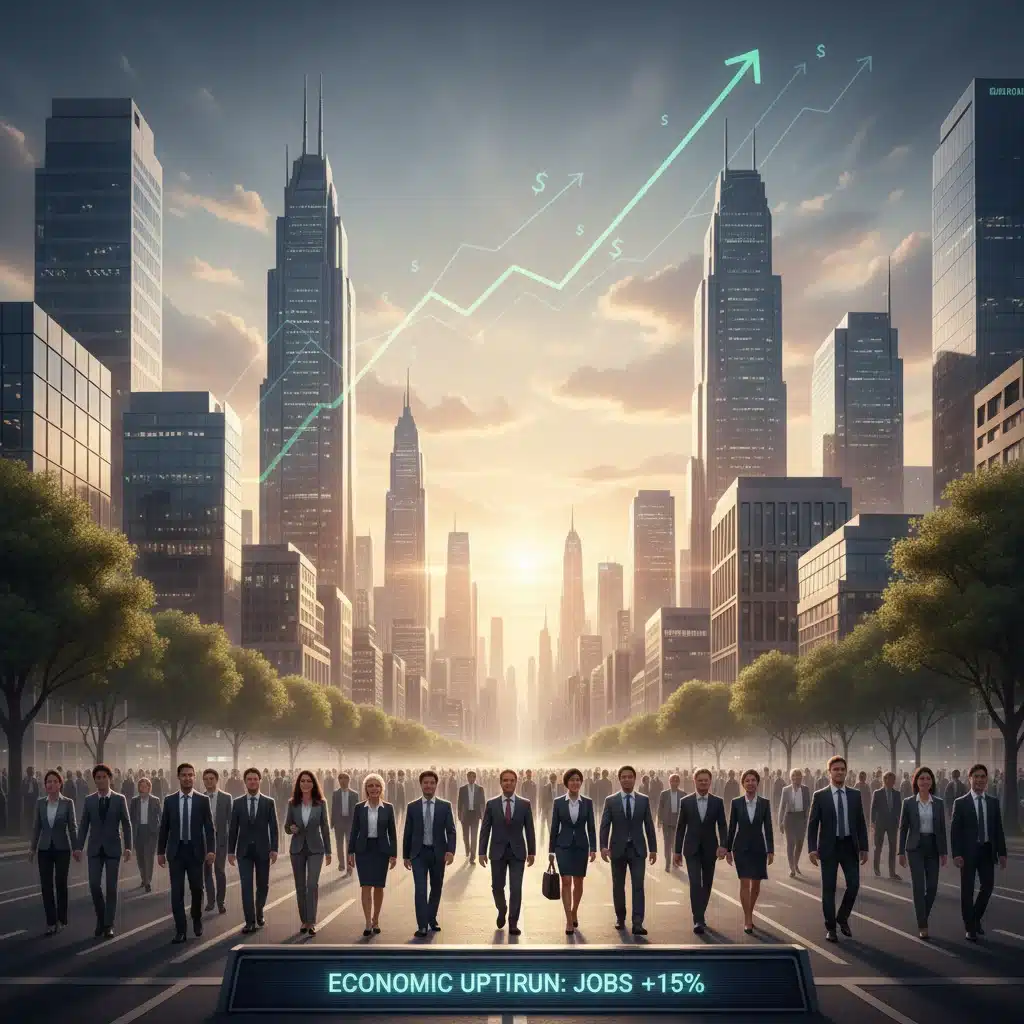
The economic landscape is a dynamic tapestry, constantly shifting under the influence of various forces. Among the most potent of these forces is the rate of job creation. In early 2026, the United States is experiencing a robust job growth consumer spending rate of 3%, a figure that, while seemingly modest, is sending significant ripples through the national economy. This sustained growth is not just about more people finding employment; it’s about a fundamental reshaping of consumer spending habits, influencing everything from daily necessities to long-term investments. This comprehensive market report delves into the intricate ways this impressive job growth is altering the financial behaviors of Americans, providing crucial insights for businesses, policymakers, and individuals alike.
Anúncios
Understanding the implications of this 3% job growth consumer spending rate requires a multifaceted approach. It’s not merely a statistical anomaly; it represents millions of individuals gaining financial stability, increasing disposable income, and, in many cases, feeling more confident about their economic future. This newfound confidence and purchasing power are the catalysts for widespread changes in how, where, and why consumers spend their money. We will explore the immediate effects, the long-term trends emerging, and the sectors most significantly impacted by this economic buoyancy. From the resurgence of specific industries to the subtle shifts in household budgets, the narrative of consumer spending in 2026 is inextricably linked to the strength of the job market.
The Macroeconomic Context: Why 3% Job Growth Matters
A 3% annual job growth rate, especially after periods of economic volatility, is a strong indicator of a healthy and expanding economy. Historically, sustained job growth at this level often correlates with increased GDP, lower unemployment rates, and a general sense of economic optimism. In early 2026, this rate signifies that businesses are not only recovering but are actively expanding, investing in their workforce, and anticipating future demand. This positive feedback loop is critical: more jobs lead to more income, which in turn fuels greater consumer demand, prompting businesses to create even more jobs. This virtuous cycle is at the heart of the current economic dynamism.
The impact of this job growth consumer spending extends beyond mere numbers. It reduces economic anxiety for countless households, allowing them to move beyond just covering basic needs. It enables discretionary spending, encourages saving, and can even influence significant life decisions like purchasing a home or starting a family. The ripple effect is profound, touching every corner of the economy from local main streets to multinational corporations. This section will elaborate on the macroeconomic indicators that underscore the significance of this 3% growth, setting the stage for a deeper dive into consumer behavior.
Anúncios
Increased Disposable Income and Shifting Priorities
One of the most direct consequences of robust job growth consumer spending is the increase in aggregate disposable income. As more people are employed, and often at higher wages due to competitive labor markets, households find themselves with more money after essential expenses. This surplus doesn’t just sit idle; it’s channeled into various forms of consumption and investment, fundamentally altering spending patterns. For many, it means paying down debt, building emergency savings, or finally making those long-delayed purchases.
Beyond immediate financial relief, this rise in disposable income often leads to a shift in consumer priorities. While previously, families might have prioritized cost-cutting and essential purchases, they now have the capacity to consider quality, convenience, and experiences. This shift is particularly evident in sectors like leisure, entertainment, and personal services, which often thrive during periods of strong employment. Consumers are more willing to spend on travel, dining out, cultural events, and wellness, reflecting a desire for an improved quality of life rather than just subsistence.
Sector-Specific Impacts: Where the Money is Going
The widespread increase in disposable income due to the 3% job growth consumer spending rate isn’t distributed evenly across all sectors. Certain industries are experiencing a disproportionate boom, while others see more subtle, yet significant, changes. Understanding these sector-specific impacts is crucial for businesses looking to capitalize on current economic trends and for investors seeking profitable opportunities.
Retail and E-commerce: A Hybrid Boom
The retail sector is always a primary beneficiary of increased consumer spending. With more money in their pockets, consumers are buying more goods, from apparel and electronics to home furnishings and sporting equipment. What’s particularly interesting in early 2026 is the continued evolution of the retail landscape. While traditional brick-and-mortar stores are seeing a resurgence, particularly in categories that offer experiential shopping, e-commerce continues its upward trajectory. The job growth consumer spending environment fosters a hybrid boom, where consumers are comfortable making purchases both online and in physical stores, often integrating the two experiences.
Retailers that have successfully adapted to this omnichannel approach are thriving. They are leveraging technology to enhance in-store experiences while simultaneously optimizing their online platforms for seamless transactions and rapid delivery. This period of growth is also characterized by a heightened demand for sustainable and ethically produced goods, indicating a more conscious consumer base that can afford to align their spending with their values.

Service Industries: The Experience Economy Flourishes
Perhaps no sector benefits more directly from increased consumer confidence and disposable income than the service industry. From hospitality and tourism to personal care and professional services, the ‘experience economy’ is flourishing. When individuals feel secure in their employment, they are more likely to invest in experiences that enrich their lives.
Travel and leisure are seeing significant upticks, with hotels, airlines, and entertainment venues reporting strong bookings. Restaurants, from fine dining to casual eateries, are experiencing higher foot traffic and increased average checks. Furthermore, personal services such as spas, gyms, and educational courses are also in high demand. This surge in service spending is a clear indicator that consumers are prioritizing quality of life and personal development, a direct consequence of improved financial stability brought about by robust job growth consumer spending.
Housing and Automotive: Big-Ticket Item Confidence
The ability to make large purchases like homes and automobiles is a strong barometer of consumer confidence. The 3% job growth consumer spending rate is instilling the necessary confidence for many Americans to enter these markets. While interest rates and supply chain issues still play a role, the fundamental driver of demand for big-ticket items is the stability of employment and income.
In the housing market, increased job security is encouraging first-time homebuyers and those looking to upgrade. This demand, coupled with steady interest rates, is contributing to a stable, albeit competitive, market. Similarly, the automotive industry is seeing a healthy demand for new and used vehicles. Consumers are not just replacing old cars; they are often upgrading to newer models, electric vehicles, or larger family cars, reflecting both increased income and evolving lifestyle needs. This confidence in purchasing power is critical for the long-term health of these capital-intensive industries.
The Digital Transformation of Spending
Even with traditional sectors seeing growth, the digital transformation of consumer spending continues unabated, amplified by the current job growth consumer spending trends. The convenience and efficiency of digital payments, online shopping, and app-based services are now deeply ingrained in consumer behavior. This isn’t just about e-commerce; it encompasses a broader shift towards digital-first interactions across almost all spending categories.
Fintech and Digital Payments
The rise of fintech solutions and digital payment platforms has been significantly bolstered by increased economic activity. Consumers, with more frequent transactions, are increasingly opting for contactless payments, mobile wallets, and peer-to-peer transfer apps. This shift is driven by convenience, security, and the integration of financial services into everyday digital ecosystems. Banks and financial institutions are responding by enhancing their digital offerings, recognizing that the modern consumer expects seamless and intuitive financial tools. The ease of managing finances and making payments digitally further facilitates spending, contributing to the overall dynamism of the economy.
Subscription Services and the Gig Economy
The job growth consumer spending environment also provides fertile ground for the expansion of subscription services. From streaming entertainment and software to meal kits and curated product boxes, consumers are more willing to commit to recurring payments for services that add convenience or value to their lives. This model offers predictable revenue streams for businesses and a streamlined consumption experience for users.
Furthermore, the gig economy continues to thrive, offering flexible work opportunities that complement traditional employment. Many individuals are using gig work to supplement their primary income, further boosting their disposable funds and contributing to consumer spending. This dual income stream can lead to greater financial resilience and increased confidence in making both everyday and aspirational purchases.

Challenges and Considerations Amidst Growth
While the 3% job growth consumer spending rate presents a largely positive outlook, it’s essential to acknowledge potential challenges and considerations. Economic growth, while desirable, can sometimes bring its own set of complexities that require careful management by policymakers and businesses.
Inflationary Pressures
One of the primary concerns associated with strong economic growth and increased consumer demand is the potential for inflationary pressures. As more money chases a relatively stable supply of goods and services, prices can begin to rise. While moderate inflation is often a sign of a healthy economy, unchecked inflation can erode purchasing power and negate the benefits of increased wages. Monitoring inflation rates and implementing appropriate monetary policies will be crucial to sustain the positive effects of job growth without overheating the economy.
Income Inequality and Access
Another critical consideration is income inequality. While overall job growth is strong, it’s important to analyze whether this growth is benefiting all segments of the population equally. If job creation is concentrated in high-skill, high-wage sectors, while lower-wage earners struggle to find stable employment or see their wages stagnate, the benefits of economic expansion may not be broadly shared. This can lead to uneven shifts in job growth consumer spending patterns, with affluent consumers driving much of the discretionary spending while others remain constrained. Policies aimed at fostering inclusive growth, such as investments in education and vocational training, will be vital.
Supply Chain Resilience
The increased consumer demand fueled by job growth also puts pressure on global supply chains. Businesses must ensure they have resilient and diversified supply networks to meet this demand without experiencing significant disruptions or price increases. Lessons learned from previous supply chain crises highlight the importance of strategic planning and investment in logistics and manufacturing capabilities. A robust supply chain is essential to translate increased consumer spending into consistent economic benefits.
Future Outlook and Strategic Implications
Looking ahead, the sustained 3% job growth consumer spending rate in early 2026 sets a promising precedent for the rest of the year and beyond. The momentum generated by a confident workforce and increased purchasing power is likely to continue driving economic activity, but its trajectory will depend on how effectively these opportunities and challenges are managed.
For Businesses
Businesses must remain agile and responsive to evolving consumer preferences. Investing in digital capabilities, enhancing customer experiences (both online and offline), and focusing on sustainable practices will be key differentiators. Understanding the nuanced shifts in job growth consumer spending across different demographics and regions will allow companies to tailor their products and services more effectively. Furthermore, talent acquisition and retention will remain critical, as a strong job market means employees have more options.
For Policymakers
Policymakers face the delicate task of fostering continued growth while mitigating potential risks. This includes monitoring inflation, addressing income inequality through targeted programs, and investing in infrastructure and education to support long-term economic health. Crafting policies that encourage innovation, support small businesses, and ensure a stable regulatory environment will be essential to sustain the positive impact of job growth on consumer spending.
For Consumers
For individuals, this period of strong job growth consumer spending presents opportunities for financial advancement. It’s an opportune time to focus on career development, explore new job opportunities, and build financial security through saving and strategic investment. However, consumers should also remain mindful of personal budgeting and avoiding excessive debt, even in a buoyant economic climate.
Conclusion
The 3% job growth consumer spending rate in early 2026 is more than just a statistic; it’s a powerful indicator of a nation experiencing significant economic transformation. It reflects a workforce that is gaining stability and confidence, leading to profound shifts in how money is earned, saved, and spent. From the flourishing service sector to the renewed confidence in big-ticket purchases, the ripple effects are widespread and largely positive.
While challenges such as inflationary pressures and income inequality require careful attention, the overall outlook is one of optimism and opportunity. Businesses that adapt to evolving consumer behaviors, policymakers who implement balanced strategies, and individuals who make informed financial decisions will all contribute to harnessing the full potential of this period of robust job growth. The current economic climate is not just about recovery; it’s about rebuilding a stronger, more dynamic economy where increased employment directly translates into a more vibrant and confident consumer landscape across the nation.