Unlocking WIC Benefits 2026: A Comprehensive Guide for Families

Anúncios
Unlocking WIC Benefits 2026: A Comprehensive Guide for Families
Are you looking for ways to ensure your family has access to nutritious food and vital health support? The Special Supplemental Nutrition Program for Women, Infants, and Children (WIC) is a federal assistance program that provides healthy food, nutrition education, and healthcare referrals to low-income pregnant women, breastfeeding women, and children under the age of five. As we look ahead to 2026, understanding how to navigate the WIC benefits system is crucial for eligible families. This comprehensive guide will walk you through everything you need to know about accessing and maximizing your WIC benefits in 2026, ensuring your loved ones receive the essential support they deserve.
Anúncios
The WIC program plays a pivotal role in public health, significantly improving the dietary quality and health outcomes for millions of participants. From reducing rates of iron deficiency anemia in children to improving birth outcomes for pregnant women, the impact of WIC is undeniable. In 2026, the program continues its mission to safeguard the health of low-income women, infants, and children at nutritional risk by providing nutritious foods to supplement diets, information on healthy eating, including breastfeeding promotion and support, and referrals to health care at no cost. This guide is designed to be your go-to resource for understanding the nuances of WIC benefits 2026.
What Are WIC Benefits and Why Are They Important?
WIC benefits are more than just food vouchers; they are a lifeline for many families, providing access to specific healthy foods that are rich in essential nutrients. These include fruits, vegetables, whole grains, milk, cheese, eggs, juice, and infant formula. The importance of WIC extends beyond just providing food. It offers a holistic approach to maternal and child health, emphasizing nutrition education tailored to individual needs and connecting families with critical healthcare services.
The program’s focus on prevention and early intervention is key. By ensuring pregnant women have proper nutrition, WIC helps reduce the risk of low birth weight and other pregnancy complications. For infants and young children, WIC supports healthy growth and development during critical stages. The nutritional guidance provided empowers parents to make informed food choices, fostering healthy eating habits that can last a lifetime. Understanding your WIC benefits 2026 means understanding a pathway to a healthier future for your family.
Anúncios
Who is Eligible for WIC Benefits in 2026?
Eligibility for WIC benefits in 2026 is determined by several factors, primarily income, nutritional risk, and categorical eligibility. It’s important to remember that WIC is a supplemental program, meaning it’s designed to complement your family’s existing resources, not replace them entirely.
Categorical Eligibility:
- Pregnant Women: From conception through six weeks after birth.
- Breastfeeding Women: Up to the infant’s first birthday.
- Postpartum Women: Up to six months after birth (if not breastfeeding).
- Infants: Up to their first birthday.
- Children: Up to their fifth birthday.
Income Eligibility:
To be eligible, applicants must have an income at or below 185% of the U.S. poverty level. However, if you or other family members already participate in certain assistance programs like SNAP (Supplemental Nutrition Assistance Program), Medicaid, or TANF (Temporary Assistance for Needy Families), you are automatically income-eligible for WIC. Income guidelines are updated annually, so it’s vital to check the most current figures for 2026 through your state’s WIC agency or the USDA website.
Nutritional Risk:
A health professional at the WIC clinic will assess each applicant for nutritional risk. This assessment can identify various conditions, such as anemia, underweight, overweight, a history of poor pregnancy outcomes, or dietary patterns that put an individual at risk for nutritional deficiencies. This is a non-judgmental process designed to determine how WIC can best support your family’s health.
Step 1: Determine Your Eligibility for WIC Benefits 2026
The first and most crucial step in accessing WIC benefits 2026 is to confirm your eligibility. While the general criteria remain consistent, specific income thresholds are updated annually. Here’s how to begin:
- Check Income Guidelines: Visit your state’s WIC website or the USDA Food and Nutrition Service (FNS) website to find the most current income eligibility standards for 2026. These charts typically list maximum income levels based on household size. Remember, if you’re already on Medicaid, SNAP, or TANF, you likely meet the income requirement automatically.
- Confirm Categorical Eligibility: Ensure you or your family member falls into one of the WIC categories (pregnant, breastfeeding, postpartum, infant, or child under five).
- Gather Preliminary Information: Before contacting your local WIC agency, it’s helpful to have some basic information ready, such as household income details, proof of residency, and identification for all family members applying.
Don’t hesitate to reach out to your local WIC clinic even if you’re unsure about your eligibility. Their staff can provide personalized guidance and help you understand the specific requirements in your area. Many families who think they might not qualify actually do, so it’s always worth checking.
Step 2: Locate Your Local WIC Clinic and Schedule an Appointment
Once you’ve determined your likely eligibility, the next step is to find your nearest WIC clinic and schedule an appointment. WIC services are delivered through local agencies, which can include public health departments, hospitals, and community centers.
How to Find Your WIC Clinic:
- Online Search: The easiest way is to use the USDA WIC State Agency Contact Information page. This resource provides links to each state’s WIC program, where you can typically find a clinic locator tool.
- Local Health Department: Your local health department is an excellent resource and can direct you to the nearest WIC office.
- Community Resources: Ask your healthcare provider, pediatrician, or local community centers for WIC clinic referrals.
Scheduling Your Appointment:
When you call to schedule, the WIC staff will inform you of the necessary documents to bring to your first appointment. This often includes:
- Proof of Identity: For all applicants (e.g., driver’s license, state ID, birth certificate, passport).
- Proof of Residency: (e.g., utility bill, lease agreement, mail with your address).
- Proof of Income: (e.g., pay stubs, tax returns, letter from employer, proof of participation in SNAP/Medicaid/TANF).
- Proof of Pregnancy: (if applicable, e.g., doctor’s note, medical record).
- Immunization Records: For infants and children.
- Health Information: Height, weight, and blood test results (often obtained at the clinic).
Preparing these documents in advance will make your appointment smoother and more efficient, bringing you closer to receiving WIC benefits 2026.
Step 3: Attend Your WIC Appointment and Nutritional Assessment
Your WIC appointment is a crucial step where your eligibility will be officially determined, and you’ll receive your first set of benefits. This appointment typically involves a few key components:
- Document Verification: The WIC staff will review all the documents you brought to confirm your identity, residency, and income eligibility.
- Health and Nutritional Assessment: A WIC health professional (often a nutritionist or nurse) will conduct a health screening. This typically includes:
- Height and Weight Measurement: For all applicants.
- Blood Test: Often a finger-prick test to check for iron deficiency (anemia) in women and children.
- Dietary and Health History Review: You’ll discuss your usual eating habits, any health concerns, and specific nutritional needs. This is where the nutritional risk is determined.
- Nutrition Education and Counseling: Based on the assessment, you’ll receive personalized nutrition education. This might include advice on healthy eating during pregnancy, breastfeeding support, tips for introducing solid foods to infants, or ideas for healthy meals for toddlers. This education is a cornerstone of the WIC benefits 2026 program.
- Food Package Assignment: If eligible, you will be assigned a specific food package tailored to your nutritional needs and category (e.g., pregnant woman, breastfeeding mother, infant, child).
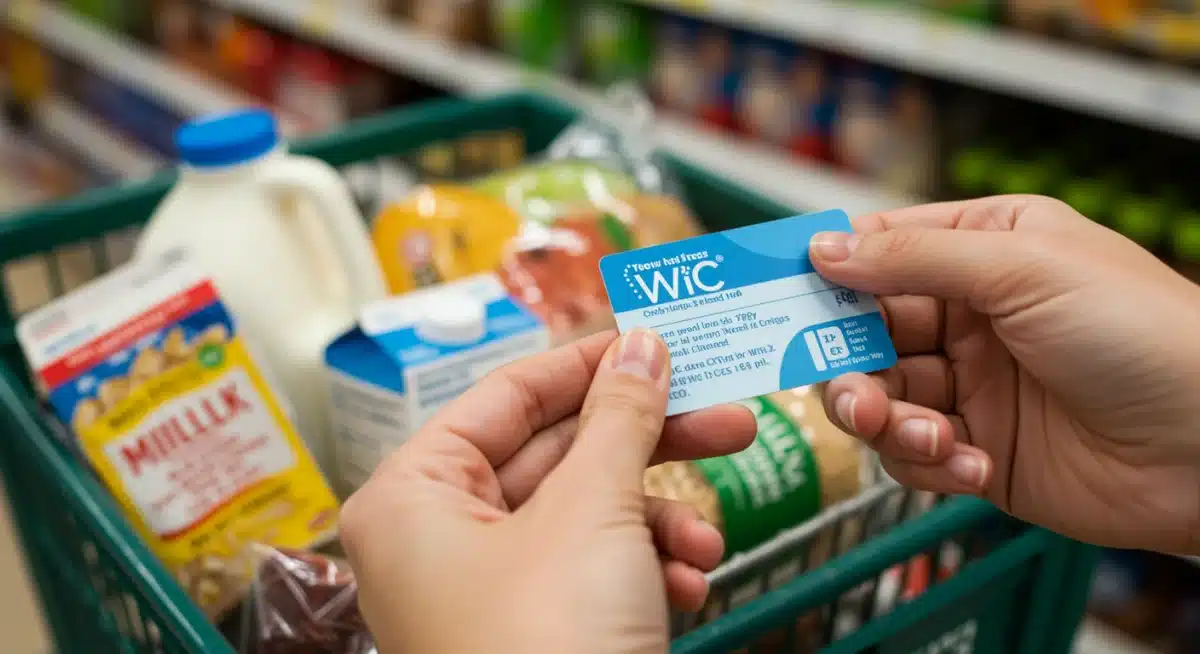
- Issuance of Benefits: WIC benefits are typically loaded onto an Electronic Benefits Transfer (EBT) card, similar to a debit card. You’ll receive your card and instructions on how to use it at authorized WIC grocery stores.
This appointment is an opportunity to ask any questions you have about nutrition, breastfeeding, or your family’s health. The WIC staff are there to support you.
Step 4: Understand and Utilize Your WIC Benefits 2026
Once you have your WIC EBT card, understanding how to use it effectively is key to maximizing your WIC benefits 2026. The program provides specific healthy foods, not a cash allowance for any grocery item.
How to Use Your WIC EBT Card:
- Authorized Stores: Your WIC clinic will provide a list of local grocery stores authorized to accept WIC EBT cards. Look for signs indicating ‘WIC Accepted Here’.
- WIC Approved Foods: Each state has a specific list of WIC-approved foods. This list details the sizes, brands, and types of foods you can purchase with your benefits. For example, it might specify a certain brand and size of whole milk, or particular types of fruits and vegetables. Always check your state’s WIC shopping list or app before heading to the store.
- Shopping Process: When checking out, separate your WIC-approved items from non-WIC items. Inform the cashier you are using your WIC EBT card. You’ll swipe your card and enter your PIN, just like a debit card. The system will automatically deduct the WIC-eligible items from your balance.
- Benefit Balance: Keep track of your WIC balance. You can usually check this at the grocery store, online through your state’s WIC portal, or by calling a customer service number. Benefits are typically issued monthly and expire after a certain period, so it’s important to use them before they run out.
Maximizing Your WIC Benefits:
- Plan Your Shopping: Make a list based on your WIC food package before you go to the store.
- Compare Prices: While WIC covers specific items, you can still choose between approved brands and sizes to get the most value.
- Attend Nutrition Education: Regularly attending WIC nutrition education sessions helps you learn more about healthy eating and how to make the best use of your food package.
- Breastfeeding Support: If you are a breastfeeding mother, WIC offers specialized support, including peer counselors and enhanced food packages.
By understanding these details, you can confidently and efficiently use your WIC benefits 2026 to provide nutritious foods for your family.
Step 5: Ongoing Engagement with the WIC Program
Receiving WIC benefits is not a one-time event; it involves ongoing engagement to ensure continuous support for your family. The WIC program is designed to adapt to your changing needs as your children grow and your circumstances evolve.

Regular Certifications and Appointments:
To continue receiving WIC benefits 2026, you will need to re-certify periodically. This usually involves another appointment at the WIC clinic where your eligibility (income, categorical, and nutritional risk) will be re-evaluated. The frequency of these appointments varies but is typically every six months to a year. It’s essential to keep these appointments to avoid any interruption in your benefits.
Nutrition Education and Support:
WIC provides ongoing nutrition education, which is a mandatory component of the program. These sessions can be individual counseling, group classes, or even online modules, depending on your state and local clinic. Topics covered often include:
- Healthy meal planning and preparation
- Breastfeeding support and lactation consultations
- Introducing solid foods to infants
- Managing picky eaters
- Physical activity and healthy lifestyle choices
These educational opportunities are invaluable resources for promoting long-term health for your family and are a key part of WIC benefits 2026.
Referrals to Other Services:
WIC clinics are often hubs for connecting families with other vital community resources. During your appointments, WIC staff can provide referrals for:
- Immunizations
- Prenatal and postpartum care
- Pediatric care
- Dental care
- Substance abuse counseling
- Child care and development services
- Housing assistance
- SNAP and Medicaid enrollment
Don’t hesitate to ask your WIC counselor about any other support services you might need. They are there to help you navigate the system and access comprehensive care.
Common Questions About WIC Benefits 2026
Many families have questions as they navigate the WIC program. Here are answers to some frequently asked questions:
Can I receive WIC if I am working?
Yes, WIC is designed to support working families as long as your income falls within the eligibility guidelines. Employment itself does not disqualify you from receiving WIC benefits 2026.
What if my income changes?
It’s important to report any significant changes in your household income or family size to your WIC clinic. This ensures your eligibility is accurately assessed and your benefits are adjusted if necessary.
What foods are included in the WIC food package?
WIC food packages typically include: iron-fortified infant formula and cereals, baby foods, milk, cheese, eggs, juice, breakfast cereals, dried beans or peas, peanut butter, canned fish (for breastfeeding women), fresh or frozen fruits and vegetables, and whole wheat bread or other whole grains. Specific items and quantities vary by state and individual needs.
Can I use WIC benefits online for grocery delivery?
The ability to use WIC EBT for online grocery purchases or delivery services is expanding but varies by state and retailer. Check with your local WIC clinic or your preferred grocery store to see if this option is available in your area for WIC benefits 2026.
What happens if I miss an appointment?
If you miss a scheduled WIC appointment, contact your clinic as soon as possible to reschedule. Missing appointments can lead to a temporary suspension of your benefits until you complete the required certification or education session.
Do WIC benefits affect my immigration status?
No, receiving WIC benefits will not negatively impact your immigration status or your ability to apply for a green card. WIC is considered a non-cash, non-means-tested public benefit and is not included in the ‘public charge’ rule.
The Positive Impact of WIC Benefits on Families
The WIC program has a profound and lasting impact on the health and well-being of participating families. Studies consistently show that WIC participation leads to:
- Improved Birth Outcomes: Pregnant women on WIC have longer gestations, fewer premature births, and lower rates of low birth weight infants.
- Better Infant and Child Health: WIC children are more likely to receive regular medical care, have improved iron status, and better cognitive development.
- Healthier Dietary Habits: WIC participants consume more fruits, vegetables, and whole grains, and less unhealthy fats and sugary drinks.
- Increased Access to Healthcare: The referral system ensures families connect with essential healthcare and social services, creating a safety net beyond just food.
These benefits contribute to a stronger foundation for children’s health and development, setting them up for greater success in school and in life. By understanding and utilizing your WIC benefits 2026, you are investing in the future health of your family and community.
Conclusion: Empowering Families with WIC Benefits 2026
Navigating the various support programs available can sometimes feel overwhelming, but understanding your WIC benefits 2026 doesn’t have to be. This comprehensive guide has aimed to demystify the process, from determining eligibility to effectively utilizing your benefits and engaging with the WIC program on an ongoing basis. WIC stands as a beacon of support for countless families, offering crucial nutritional assistance, education, and healthcare referrals that foster healthier beginnings.
Remember, the goal of WIC is to empower you with the resources and knowledge needed to provide the best possible start for your children. Don’t hesitate to reach out to your local WIC clinic with any questions or for personalized assistance. By taking advantage of the WIC benefits available in 2026, you are making a powerful commitment to your family’s health and well-being, ensuring they have the nutritional foundation they need to thrive. Embrace the support, utilize the resources, and watch your family flourish.