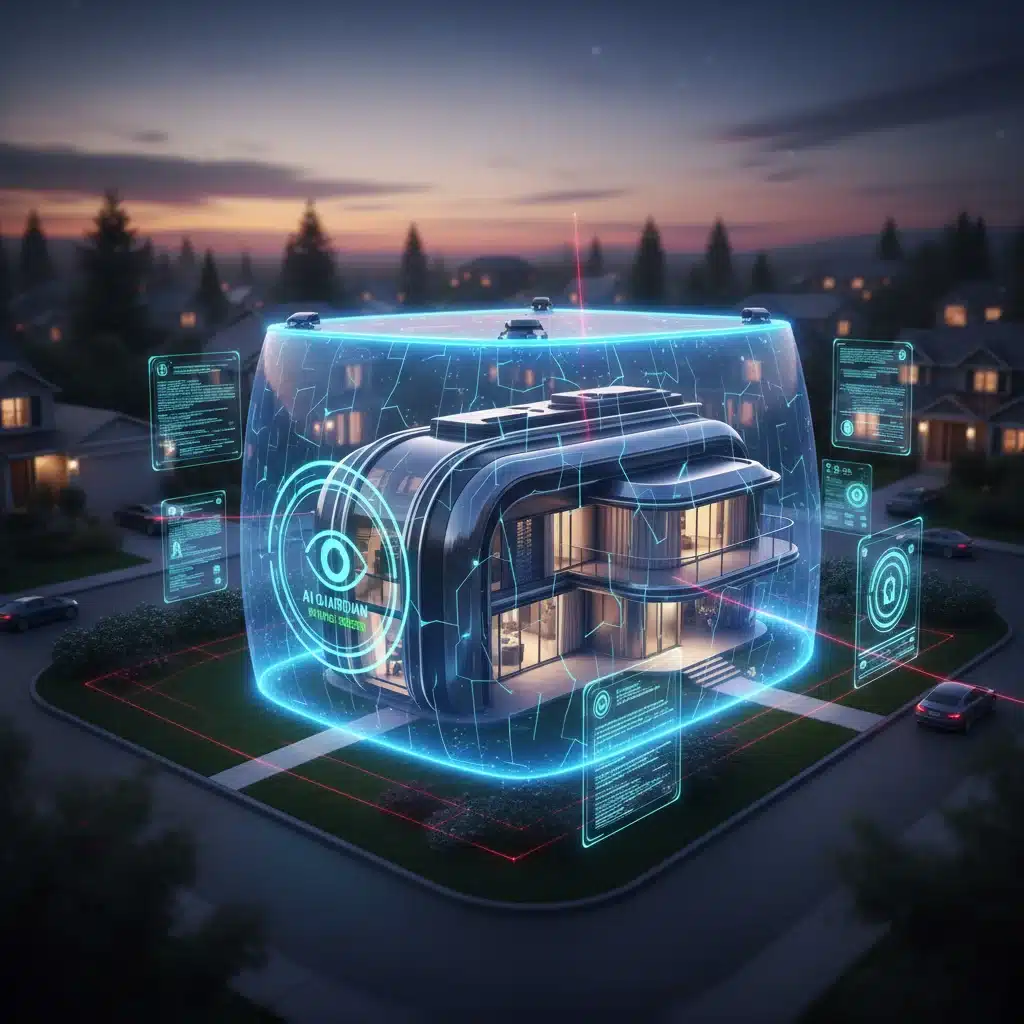
The landscape of home security is undergoing a profound transformation, driven by the relentless march of artificial intelligence. What was once the stuff of science fiction is now becoming an everyday reality for millions of households worldwide. Our latest investigative report, focusing on the burgeoning role of AI Home Security, reveals a startling projection: by 2026, a quarter of all households will have integrated AI into their security systems. This isn’t just an incremental change; it’s a paradigm shift, redefining how we protect our homes and loved ones.
The data paints a clear picture of accelerated adoption. Factors ranging from enhanced threat detection to seamless integration with smart home ecosystems are propelling this rapid growth. As AI algorithms become more sophisticated and hardware more accessible, the barrier to entry for advanced security solutions is significantly lowering. This article delves deep into the findings of our 2026 forecast, exploring the technologies driving this trend, the benefits homeowners are reaping, and the challenges that still lie ahead.
The Dawn of Intelligent Protection: Understanding AI in Home Security
At its core, AI Home Security refers to security systems that leverage artificial intelligence and machine learning algorithms to perform tasks traditionally requiring human intelligence. This includes everything from advanced video analytics and facial recognition to predictive threat assessment and automated response protocols. Traditional security systems, while effective, often rely on passive detection and reactive responses. AI, however, introduces a proactive and intelligent layer, capable of learning, adapting, and anticipating potential threats.
Consider a conventional motion sensor. It triggers an alarm when movement is detected. An AI-powered system, on the other hand, can differentiate between a pet, a delivery person, and a potential intruder. It can learn your family’s routines, recognize familiar faces, and even detect unusual patterns of behavior that might indicate a developing threat. This level of discernment drastically reduces false alarms, a common frustration with older systems, and ensures that when an alert is issued, it’s genuinely actionable.
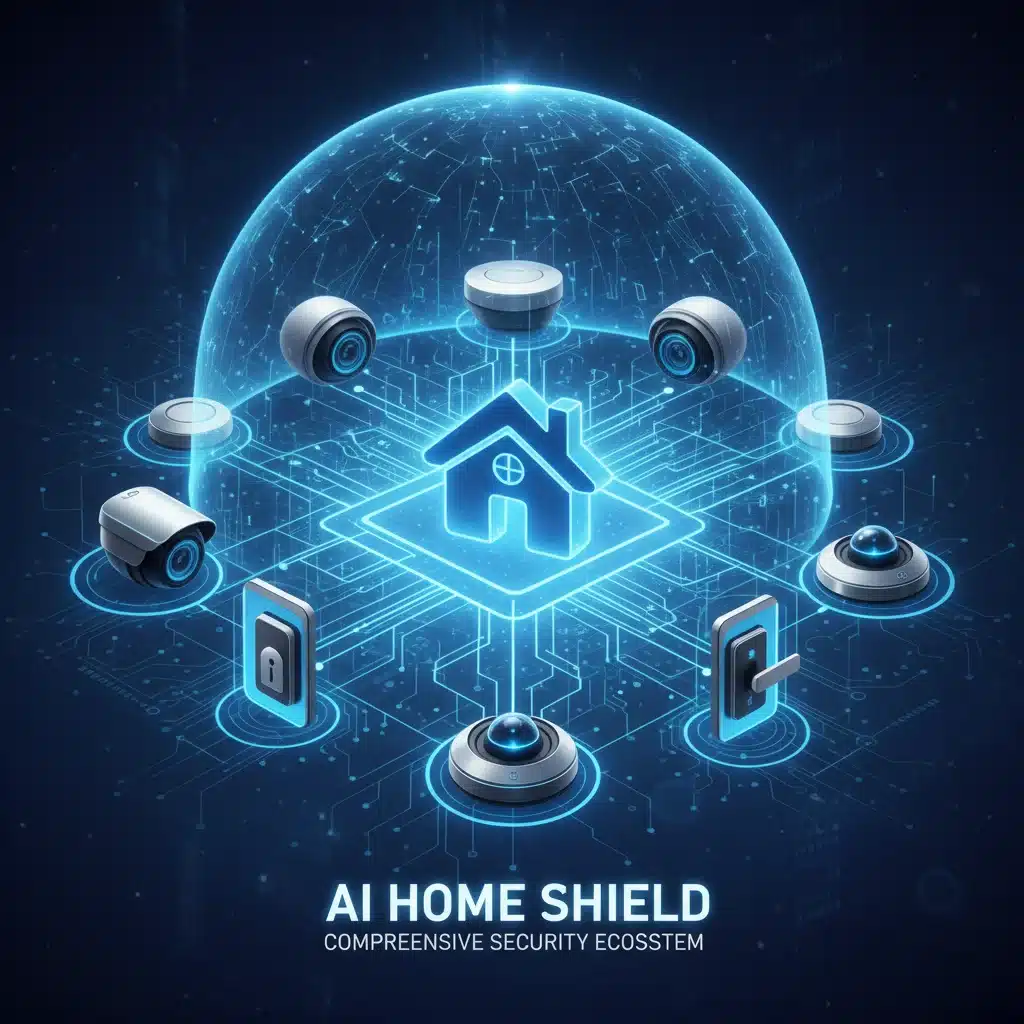
The integration of AI extends beyond simple detection. It encompasses intelligent automation, allowing security systems to interact with other smart home devices. For example, if an AI detects an unfamiliar presence, it can automatically lock doors, turn on lights, and even activate a two-way audio communication system. This interconnectedness creates a comprehensive shield, making homes not just safer, but smarter.
Key Technologies Driving AI Home Security Adoption
Several technological advancements are converging to make AI Home Security an increasingly viable and attractive option for homeowners. Understanding these components is crucial to grasping the full scope of this revolution:
- Advanced Video Analytics: Beyond simple motion detection, AI-powered cameras can identify objects, differentiate between humans and animals, and even detect specific behaviors like loitering or package theft. This is often powered by deep learning models trained on vast datasets of visual information.
- Facial Recognition: This technology allows systems to recognize authorized individuals (family members, trusted visitors) and flag unknown faces. While raising privacy concerns, its security benefits are undeniable, particularly for access control and personalized alerts.
- Behavioral Analytics: AI can learn the typical patterns of activity around a home. If a door is opened at an unusual time or a window is tampered with in an atypical manner, the system can flag it as suspicious, even if it doesn’t trigger a conventional sensor.
- Voice Recognition and Natural Language Processing (NLP): Integrating with smart assistants, AI security systems can respond to voice commands, provide verbal updates, and even analyze audio for unusual sounds like breaking glass or smoke alarms.
- Predictive Threat Assessment: By analyzing historical data, local crime statistics, and real-time sensor inputs, AI can potentially predict areas or times of heightened risk, allowing for proactive adjustments to security protocols.
- Edge AI Processing: Increasingly, AI computations are performed directly on the device (at the ‘edge’) rather than solely in the cloud. This reduces latency, enhances privacy, and allows for faster, more reliable responses, crucial for real-time security.
These technologies are not operating in isolation. They are often interwoven into sophisticated systems, creating a multi-layered defense that is significantly more robust than traditional setups. The continuous improvement in these areas is a major driver behind the projected 25% household adoption by 2026.
2026 Data Unveiled: Why 25% of Households are Embracing AI
Our comprehensive data analysis for 2026 indicates that the adoption rate of AI Home Security systems will reach an impressive 25% of all households. This figure represents a significant leap from current penetration rates and underscores a growing consumer confidence in intelligent security solutions. Several factors contribute to this accelerated adoption:
Enhanced Accuracy and Reduced False Alarms
One of the primary frustrations with traditional security systems is the high incidence of false alarms. A stray animal, a falling leaf, or even a sudden gust of wind can trigger an alert, leading to unnecessary stress for homeowners and potentially taxing emergency services. AI’s ability to discern between genuine threats and benign occurrences is a game-changer. Our data shows that households with AI-powered systems report a 70% reduction in false alarms compared to those with conventional systems. This improved accuracy leads to greater trust in the system and less ‘alarm fatigue,’ ensuring that when an alert is issued, it demands immediate attention.
Proactive Threat Detection and Prevention
Unlike reactive systems, AI empowers security to be proactive. By analyzing patterns, identifying anomalies, and even learning individual behaviors, AI can often detect potential threats before they escalate. For instance, an AI camera might notice a car repeatedly driving past the house at unusual hours or an individual lingering near the property. These subtle cues, often missed by human observation or basic sensors, can trigger early warnings, allowing homeowners to take preventative action or alert authorities.
Seamless Integration with Smart Home Ecosystems
The rise of the smart home has created an environment ripe for AI Home Security integration. As more devices become interconnected – from smart lights and thermostats to automated blinds and smart locks – AI security systems can leverage this network for enhanced protection. Imagine a scenario where a security breach is detected: the AI can automatically lock all doors, turn on all interior and exterior lights, and even play loud audio to deter intruders. This level of coordinated response is a significant draw for tech-savvy homeowners looking for a holistic smart living experience.

Personalization and Customization
AI systems are designed to learn and adapt to individual household needs and preferences. This means a security system can be tailored to specific routines, family members, and property layouts. For example, it can be programmed to ignore movement from pets within certain zones while being highly sensitive to human presence. This level of personalization makes the security system more effective and less intrusive, enhancing the user experience significantly. Data from early adopters indicates a high satisfaction rate due to the system’s ability to ‘understand’ and cater to their unique requirements.
Remote Monitoring and Control
The ability to monitor and control home security from anywhere in the world via a smartphone app has been a significant driver of smart security adoption. AI further enhances this by providing more intelligent alerts and richer information. Instead of just a ‘motion detected’ notification, an AI system can send an alert stating, ‘Unknown person detected at front door at 3:15 PM, wearing a red jacket.’ This detailed information empowers homeowners to make informed decisions quickly, whether it’s checking the live feed or contacting emergency services.
The Benefits Beyond Basic Protection
While the primary goal of AI Home Security is to protect property and people, its benefits extend far beyond basic deterrence. These advanced systems offer a suite of advantages that contribute to a greater sense of peace of mind and an enhanced living experience.
Cost Efficiency in the Long Run
Initially, AI-powered security systems might seem like a significant investment. However, when considering the long-term benefits, they can prove to be more cost-effective. Reduced false alarms mean fewer potential fines from local authorities for unwarranted emergency dispatches. Furthermore, the proactive nature of AI can prevent costly burglaries or damages, saving homeowners significant amounts in repairs, replacements, and insurance deductibles. Some insurance providers are even beginning to offer reduced premiums for homes equipped with advanced AI security, recognizing their superior protective capabilities.
Enhanced Privacy Features (Paradoxically)
While some AI features like facial recognition raise privacy concerns, many modern AI Home Security systems are designed with privacy in mind. Edge AI processing, where data is analyzed locally on the device rather than being sent to the cloud, minimizes privacy risks. Additionally, features like privacy modes, which can temporarily disable cameras or obscure certain areas, give homeowners greater control over their data. The ability to differentiate between family members and strangers can also mean less unnecessary recording of private moments, focusing only on potential threats.
Accessibility and Ease of Use
Despite their sophisticated underlying technology, many AI security systems are designed to be remarkably user-friendly. Intuitive mobile apps, voice control integration, and automated learning processes make them accessible even to those who are not tech-savvy. The ‘set it and forget it’ nature of AI means that once configured, the system largely manages itself, providing alerts only when truly necessary. This ease of use is a crucial factor in driving widespread adoption across diverse demographics.
Improved Emergency Response
When an actual threat is detected, AI can significantly improve emergency response times. By providing precise details about the nature of the intrusion, location, and even visual evidence, AI systems can relay critical information to monitoring centers or directly to emergency services. This detailed context allows first responders to act more quickly and effectively, potentially mitigating damage or preventing harm. Automated alerts to multiple contacts also ensure that someone is always aware of the situation.
Challenges and Considerations for Widespread AI Adoption
Despite the immense promise and accelerating adoption rates, the path to universal AI Home Security is not without its hurdles. Addressing these challenges will be crucial for continued growth and public acceptance.
Privacy Concerns and Data Security
The collection and analysis of personal data, particularly through features like facial recognition and behavioral analytics, raise significant privacy concerns. Homeowners need assurances that their data is secure, not misused, and protected from breaches. Manufacturers must implement robust encryption, adhere to strict data protection regulations, and offer transparent policies regarding data handling. Public education on how these systems protect privacy while enhancing security will be vital.
Cost of Implementation and Maintenance
While long-term cost benefits exist, the initial investment for advanced AI security systems can still be a barrier for some households. As the technology matures and becomes more widespread, prices are expected to drop, but for now, it remains a consideration. Additionally, ongoing maintenance, software updates, and potential subscription fees for advanced features can add to the overall cost of ownership.
Technological Complexity and Interoperability
Integrating various smart devices and AI algorithms can be complex. Ensuring seamless interoperability between different brands and platforms is an ongoing challenge. Consumers desire systems that work harmoniously without requiring extensive technical knowledge. Industry standards and open protocols will be essential to simplify integration and prevent fragmentation of the smart home ecosystem.
Ethical Implications and Bias
AI algorithms are only as unbiased as the data they are trained on. There’s a risk that facial recognition systems, for example, could exhibit biases, potentially leading to misidentification or discriminatory outcomes. Developers must prioritize ethical AI design, ensuring fairness, accountability, and transparency in their algorithms. Regular auditing and refinement of AI models are necessary to mitigate these risks.
Reliability and Redundancy
Home security systems must be inherently reliable. What happens if the internet goes down, or there’s a power outage? AI Home Security systems need robust backup power, local processing capabilities, and alternative communication methods (e.g., cellular backups) to ensure continuous operation, even in adverse conditions. Building redundancy into these systems is paramount to maintaining trust.
The Future is Now: What’s Next for AI Home Security?
Looking beyond 2026, the evolution of AI Home Security promises even more sophisticated and integrated solutions. We can anticipate several key trends that will shape the next generation of intelligent protection.
Hyper-Personalization and Adaptive Learning
Future AI systems will become even more adept at learning individual and household behaviors. They won’t just detect anomalies; they’ll anticipate them. Imagine a system that knows when you typically leave for work, when your children arrive home, or even when you’re on vacation, automatically adjusting security protocols to match your lifestyle and potential vulnerabilities. This hyper-personalization will make security virtually invisible yet always present.
Proactive Maintenance and Self-Healing Systems
AI could soon monitor the health of its own components, predicting potential failures in cameras, sensors, or network connections before they occur. This would allow for proactive maintenance, ensuring the system is always operating at peak efficiency. In some cases, AI might even be able to self-diagnose and implement minor fixes, further reducing downtime and maintenance costs.
Integration with Community Security Networks
While privacy remains crucial, there’s potential for AI home security systems to integrate, with consent, into broader community security networks. This could involve sharing anonymized data on suspicious activities or integrating with neighborhood watch programs, creating a collective defense mechanism. This would require careful ethical considerations and robust opt-in mechanisms to protect individual privacy.
Advanced Biometric Authentication
Beyond facial recognition, future systems may incorporate more advanced biometrics like gait analysis, voiceprint identification, or even thermal signatures for more secure and seamless access control. This would make unauthorized entry virtually impossible, while providing effortless access for authorized individuals.
Human-AI Collaboration
The future of AI Home Security isn’t about replacing humans but augmenting their capabilities. AI will serve as an intelligent assistant, handling routine monitoring and alert filtering, freeing up homeowners and security personnel to focus on genuine threats and critical decision-making. The interaction will become more intuitive, with AI providing clear, concise, and actionable intelligence.
Conclusion: Securing Tomorrow’s Homes, Today
The investigative report into AI Home Security clearly indicates that we are at the cusp of a major revolution. The projection of 25% household adoption by 2026 is not merely a statistic; it represents a fundamental shift in how we perceive and implement home protection. From enhanced accuracy and proactive threat detection to seamless smart home integration and personalized security, AI is delivering benefits that traditional systems simply cannot match.
While challenges related to privacy, cost, and technological complexity remain, the industry is rapidly evolving to address these concerns. As AI algorithms become more sophisticated, hardware more affordable, and ethical guidelines more robust, the barriers to entry will continue to diminish. The future of home security is intelligent, adaptive, and deeply integrated into our daily lives. Embracing AI Home Security is not just about adopting new technology; it’s about investing in a smarter, safer, and more peaceful future for our homes and families.
The journey towards fully autonomous and intelligent home security is ongoing, but the data from 2026 clearly demonstrates that a significant portion of the population is ready and willing to embark on this journey. As consumers become more aware of the capabilities and benefits, and as developers continue to innovate responsibly, AI will undoubtedly become an indispensable guardian of our homes.