Smart Home Integration Trends: Dominating 2026 Market Growth

In an era defined by rapid technological advancement, the concept of a ‘smart home’ has evolved from a futuristic fantasy into a tangible reality. What was once the exclusive domain of science fiction is now becoming an everyday convenience, with devices and systems working in concert to create environments that are more efficient, secure, and responsive to our needs. The driving force behind this transformation is undoubtedly smart home integration, the seamless interlinking of various smart devices and platforms to create a unified, intelligent ecosystem. This comprehensive article will delve into the latest smart home integration trends, exploring how they are shaping the market and why experts predict a robust 15% market growth by 2026.
The global smart home market is experiencing an unprecedented boom, fueled by consumer demand for convenience, energy efficiency, and enhanced security. As technology becomes more sophisticated and accessible, the barriers to entry for smart home adoption are diminishing. We are moving beyond individual smart gadgets to a holistic approach where every component communicates and cooperates, delivering a truly intelligent living experience. This is where smart home integration truly shines, offering a layered approach to automation that maximizes efficiency and user comfort.
The Rise of Interoperability: A Core Pillar of Smart Home Integration
One of the most significant challenges in the early days of smart homes was the lack of interoperability. Different brands and ecosystems often operated in silos, making it difficult for devices from various manufacturers to communicate with each other. This led to fragmented user experiences and limited the true potential of home automation. However, recent years have seen a concerted effort towards establishing universal standards and protocols, making true smart home integration a more achievable goal.
Standardization Efforts: Matter and Thread
The introduction of standards like Matter (formerly Project CHIP – Connected Home over IP) and Thread have been game-changers. Matter, backed by tech giants like Apple, Google, Amazon, and Samsung, aims to provide a unified, open-source connectivity standard for smart home devices. This means that a device certified with Matter should be able to work seamlessly with any other Matter-certified device, regardless of the manufacturer or platform. Thread, a low-power wireless mesh networking protocol, complements Matter by providing the underlying network infrastructure that devices can use to communicate reliably and efficiently. These standards are pivotal in fostering an environment where smart home integration is not just possible but expected.
Benefits of Improved Interoperability for Smart Home Integration
- Enhanced User Experience: Consumers no longer have to worry about compatibility issues, leading to a smoother setup and daily operation.
- Wider Device Choice: Users can select the best devices for their needs, knowing they will integrate with their existing smart home ecosystem.
- Future-Proofing: Investments in smart home technology become more secure as devices are less likely to become obsolete due to proprietary limitations.
- Increased Innovation: Manufacturers can focus on developing innovative features rather than proprietary connectivity solutions.
The move towards open standards is democratizing smart home integration, making it more accessible and appealing to a broader audience. This shift is a major contributor to the projected market growth, as consumers gain confidence in building truly interconnected homes.
Artificial Intelligence and Machine Learning: The Brains Behind Smart Home Integration
Beyond simple automation, the next frontier for smart home integration lies in the intelligent capabilities powered by Artificial Intelligence (AI) and Machine Learning (ML). These technologies are transforming smart homes from reactive systems into proactive, predictive environments that learn and adapt to user behavior over time.
Personalized Automation and Predictive Analytics
AI-powered smart home systems can analyze patterns in your daily routines, such as when you wake up, leave for work, or go to bed. They can then use this data to automate tasks in a more personalized and efficient way. For instance, your smart thermostat might learn your preferred temperature settings at different times of the day and adjust itself accordingly, even anticipating changes in weather. Smart lighting systems can adapt to natural light levels and your presence, optimizing illumination without manual intervention. This level of personalized automation, driven by AI, is a key aspect of advanced smart home integration.
Enhanced Security and Anomaly Detection
AI is also revolutionizing smart home security. Advanced algorithms can differentiate between normal activity and potential threats, reducing false alarms. For example, smart cameras equipped with facial recognition can identify residents and notify you of unfamiliar faces. AI can also learn typical household sounds and alert you to unusual noises, such as breaking glass or a smoke alarm, even if it’s not directly connected to the smart system. This intelligent layer significantly enhances the effectiveness of smart home integration for safety and peace of mind.
Voice Assistants: The Primary Interface for Smart Home Integration
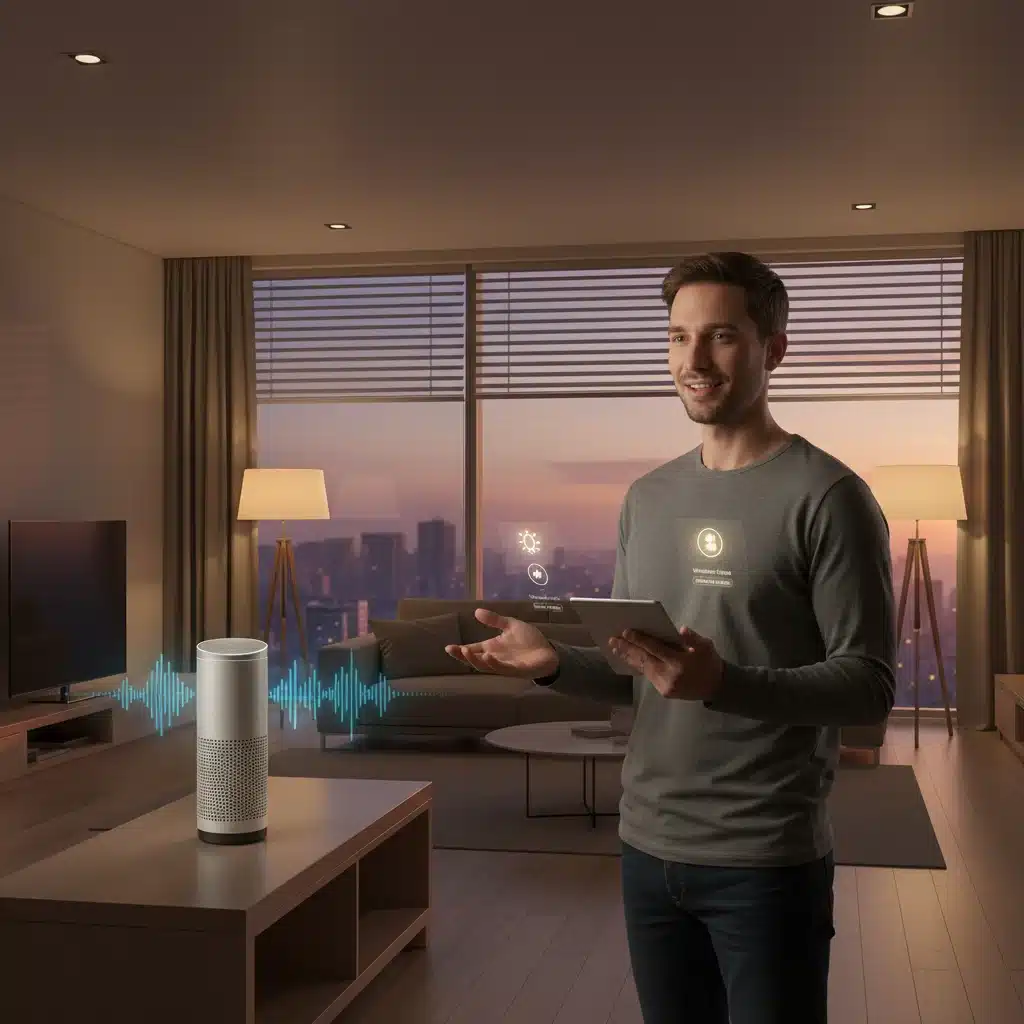
Voice assistants like Amazon Alexa, Google Assistant, and Apple HomeKit are becoming the central command centers for many smart homes. Their ability to understand natural language and execute complex commands makes them an intuitive and powerful interface for controlling a multitude of devices. As AI continues to improve natural language processing, these assistants will become even more sophisticated, capable of handling multi-step commands and understanding context, further streamlining smart home integration.
The Internet of Things (IoT) and Edge Computing: Expanding the Smart Home Ecosystem
The Internet of Things (IoT) is the foundational technology enabling the vast network of connected devices that constitute a smart home. Every smart device, from light bulbs to refrigerators, is an IoT device, constantly collecting and transmitting data. As the number of these devices proliferates, the concept of edge computing is becoming increasingly important for efficient and secure smart home integration.
IoT Devices: The Building Blocks of Smart Home Integration
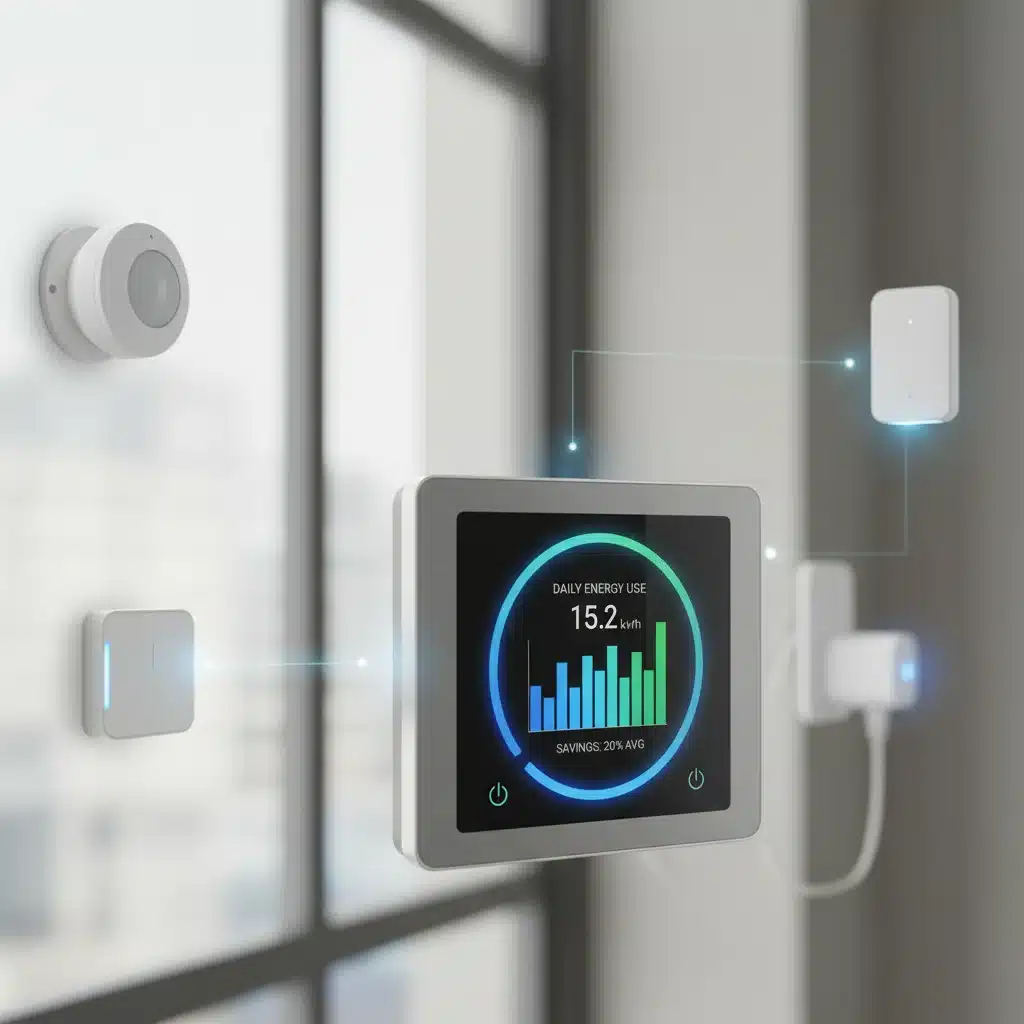
The sheer variety of IoT devices available today allows for an unparalleled level of customization and automation. Smart sensors can detect everything from motion and occupancy to air quality and water leaks. Smart appliances can be controlled remotely and even anticipate maintenance needs. The interconnectedness of these devices, facilitated by robust smart home integration, creates a responsive and adaptive living space.
Edge Computing: Processing Data Closer to the Source
With an increasing number of IoT devices generating vast amounts of data, relying solely on cloud computing can lead to latency issues and privacy concerns. Edge computing addresses this by processing data closer to the source – i.e., on the device itself or on a local hub – rather than sending everything to the cloud. This has several advantages for smart home integration:
- Reduced Latency: Faster response times for commands and automated actions.
- Enhanced Privacy: Sensitive data can be processed locally, reducing the need to transmit it to external servers.
- Improved Reliability: Smart home functions can continue even if the internet connection is temporarily lost.
- Lower Bandwidth Usage: Less data needs to be sent to the cloud, reducing network congestion.
The combination of ubiquitous IoT devices and efficient edge computing is making smart home integration more robust, reliable, and secure, contributing significantly to its appeal and market expansion.
Energy Efficiency and Sustainability: A Growing Focus for Smart Home Integration
As environmental concerns become more pressing, consumers are increasingly looking for ways to reduce their energy consumption and carbon footprint. Smart home integration offers powerful tools to achieve this, making energy efficiency a significant driver of market growth.
Intelligent Energy Management Systems
Smart thermostats are just the beginning. Integrated smart home systems can monitor and control energy usage across all connected devices. They can optimize heating and cooling based on occupancy, weather forecasts, and even electricity prices. Smart plugs can turn off devices that are drawing phantom power, and smart lighting can adjust brightness based on natural light, ensuring energy is only used when and where it’s needed. This holistic approach to energy management is a major benefit of comprehensive smart home integration.
Integration with Renewable Energy Sources
For homes equipped with solar panels or other renewable energy sources, smart home integration can play a crucial role in optimizing energy production and consumption. Systems can intelligently store excess energy in batteries, prioritize self-consumption, or even sell surplus energy back to the grid, maximizing the financial and environmental benefits of renewables.
Water Conservation and Waste Reduction
Beyond energy, smart home systems can also contribute to water conservation through smart irrigation systems that adjust watering schedules based on soil moisture and weather, and leak detection sensors that can prevent costly water damage and waste. Some systems even offer smart waste management solutions, promoting recycling and reducing landfill contributions. These sustainable aspects of smart home integration are becoming increasingly attractive to environmentally conscious consumers.
Enhanced Security and Safety: A Primary Driver for Smart Home Integration Adoption
For many homeowners, security and safety are paramount concerns, and smart home integration offers an unparalleled level of protection and peace of mind.
Comprehensive Security Systems
Modern smart home security goes far beyond traditional alarm systems. Integrated systems combine smart cameras with motion detection, door/window sensors, smart locks, and even doorbell cameras to create a robust security perimeter. Users can monitor their homes remotely, receive real-time alerts, and even communicate with visitors or intruders through two-way audio. The ability to manage all these components from a single app or voice command exemplifies effective smart home integration.
Fire, Carbon Monoxide, and Water Leak Detection
Smart smoke and carbon monoxide detectors not only alert residents to danger but can also notify emergency services and even unlock doors for easier access. Water leak sensors can detect leaks early, preventing extensive damage and costly repairs. These proactive safety measures are a significant advantage of a fully integrated smart home, offering protection that traditional systems cannot match. The seamless communication between these life-saving devices is a testament to the power of smart home integration.
Health and Wellness: The Emerging Frontier for Smart Home Integration
The future of smart home integration extends beyond convenience and security into the realm of health and wellness, offering innovative ways to support occupants’ physical and mental well-being.
Ambient Assisted Living (AAL)
For the elderly or individuals with disabilities, smart homes can provide crucial support, enabling them to live independently for longer. Sensors can monitor daily routines, detect falls, and provide reminders for medication. Smart lighting can adjust to circadian rhythms, improving sleep quality. Voice-controlled interfaces can assist with daily tasks, reducing the need for physical exertion. This application of smart home integration is not only beneficial for individuals but also offers peace of mind to their caregivers.
Air Quality Monitoring and Control
Indoor air quality significantly impacts health. Integrated smart home systems can monitor levels of pollutants, allergens, and VOCs (volatile organic compounds). When unhealthy levels are detected, the system can automatically activate air purifiers, adjust ventilation, or notify residents to take action. This proactive approach to maintaining a healthy indoor environment is a sophisticated use of smart home integration.
Sleep Tracking and Optimization
Smart beds and sleep trackers can integrate with smart home systems to optimize the bedroom environment for better sleep. This might involve automatically adjusting the thermostat, dimming lights, or playing soothing sounds as you fall asleep, and gradually brightening lights or playing gentle alarms as you wake up. Such personalized adjustments, part of a comprehensive smart home integration strategy, contribute to improved sleep quality and overall well-being.
Challenges and Considerations for Smart Home Integration
While the benefits of smart home integration are compelling, there are still challenges that need to be addressed for widespread adoption.
Privacy and Data Security
As smart homes collect vast amounts of personal data, concerns about privacy and data security are paramount. Manufacturers and developers must prioritize robust encryption, secure protocols, and transparent data handling policies to build user trust. Consumers need to be educated on how their data is used and how to best protect their privacy within their integrated smart home ecosystem.
Cost and Complexity
The initial investment in a fully integrated smart home can be substantial, and the setup process can sometimes be complex for non-tech-savvy users. As the market matures, we can expect to see more affordable and user-friendly solutions, making smart home integration accessible to a wider demographic.
Reliability and Connectivity
A smart home is only as smart as its connectivity. Reliance on stable internet, Wi-Fi, and other wireless protocols means that outages or connectivity issues can disrupt the entire system. Developing more resilient and self-healing networks within the home is crucial for the continued growth of smart home integration.
The Future of Smart Home Integration: What to Expect by 2026 and Beyond
The projected 15% market growth by 2026 is a testament to the accelerating pace of innovation in smart home integration. Several key trends will continue to shape this evolution:
- Proactive and Context-Aware AI: AI will become even more sophisticated, anticipating needs before they are explicitly stated, creating truly intuitive living spaces.
- Seamless Device Handover: As you move through your home, devices will seamlessly hand over control and preferences, creating a fluid and continuous experience.
- Increased Customization and Personalization: Smart homes will adapt to individual preferences and moods, offering highly personalized environments.
- Robust Security and Privacy by Design: Security will be built into the core architecture of smart home systems, not just added as an afterthought.
- Deeper Integration with External Services: Smart homes will connect more deeply with external services like healthcare providers, delivery services, and public utilities, creating a truly connected lifestyle.
- Sustainability as a Core Feature: Energy and resource efficiency will be a default expectation, not just a premium feature.
The vision of a truly intelligent home, where every component works in perfect harmony to enhance comfort, security, and well-being, is rapidly becoming a reality. The advancements in interoperability, AI, IoT, and edge computing are paving the way for a future where smart home integration is not just a luxury but a fundamental aspect of modern living.
Conclusion: Embracing the Integrated Smart Home Future
The landscape of modern living is being irrevocably transformed by the advancements in smart technology. At the heart of this revolution is smart home integration, the powerful concept that unifies disparate devices and platforms into a cohesive, intelligent ecosystem. The trends we’ve explored – from improved interoperability through standards like Matter and Thread, to the intelligent capabilities of AI and ML, and the foundational role of IoT and edge computing – are collectively propelling the market forward.
With a projected 15% market growth by 2026, the smart home industry is not just expanding; it’s maturing. Consumers are no longer seeking isolated smart gadgets but rather comprehensive solutions that offer convenience, energy efficiency, enhanced security, and even support for health and wellness. While challenges related to privacy, cost, and reliability remain, the industry is actively working towards addressing these concerns, making smart homes more accessible, secure, and user-friendly.
Embracing smart home integration means stepping into a future where our homes are not just structures but active participants in our daily lives, learning our habits, anticipating our needs, and contributing to a more sustainable and secure world. The journey towards a fully integrated smart home is an exciting one, promising a future of unparalleled comfort and efficiency for homeowners worldwide. As technology continues to evolve, the possibilities for intelligent living will only continue to expand, solidifying the position of smart home integration as a cornerstone of the modern technological landscape.