Disability Benefits 2026: SSDI Changes Explained
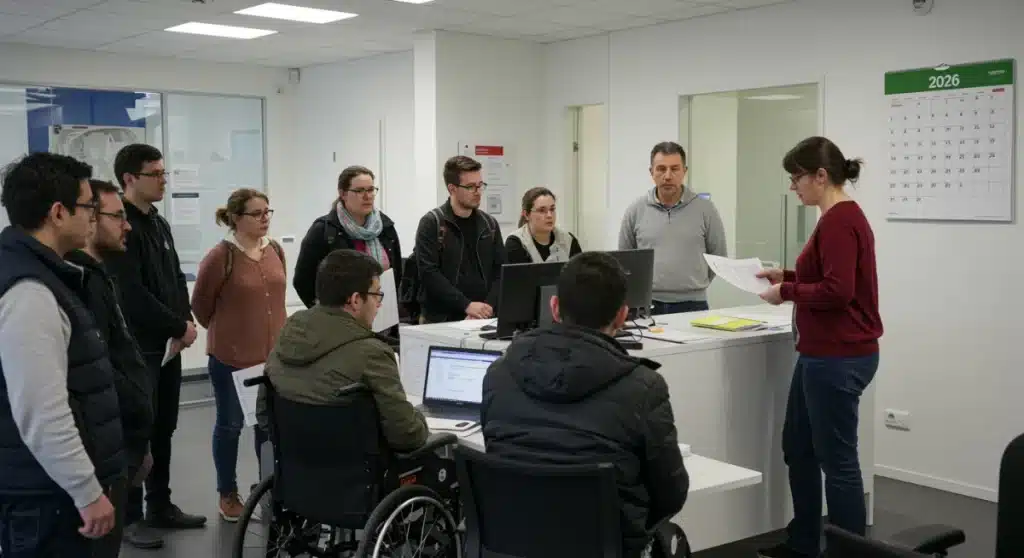
Disability Benefits in 2026: A Comprehensive Look at Social Security Disability Insurance (SSDI) Changes will introduce crucial adjustments across eligibility, payment structures, and application procedures, requiring beneficiaries to stay informed for effective financial management.
As we look toward the future, understanding the evolving landscape of Disability Benefits in 2026: A Comprehensive Look at Social Security Disability Insurance (SSDI) Changes becomes paramount for millions of Americans. These anticipated adjustments are not merely bureaucratic shifts; they represent significant alterations to the financial safety net designed to support individuals unable to work due to a severe medical condition. Whether you are a current recipient, considering applying, or a family member assisting someone through the process, staying informed about these changes is essential for navigating the system effectively and securing the support you need.
Understanding the Social Security Disability Insurance (SSDI) Program
The Social Security Disability Insurance (SSDI) program provides a lifeline for individuals who have worked and paid Social Security taxes, but are now unable to engage in substantial gainful activity due to a medical impairment. It’s not a welfare program; rather, it’s an earned benefit, much like retirement benefits. Eligibility hinges on a combination of medical and work history requirements, ensuring that those who have contributed to the system receive support when they need it most.
The core principle behind SSDI is to replace a portion of lost income for workers who become disabled before reaching retirement age. This distinction from other federal assistance programs is critical, as it emphasizes the contributory nature of the benefit. Understanding this foundation is the first step in comprehending any future modifications. The program’s structure is designed to be self-sustaining through payroll taxes, which are periodically reviewed and adjusted to maintain its solvency and responsiveness to the needs of the disabled population.
Eligibility Criteria: What Qualifies You for SSDI?
To qualify for SSDI, applicants must meet two primary sets of criteria: a recent work test and a duration of work test. These tests ensure that individuals have a sufficient work history and have contributed enough to Social Security taxes to be covered. The specific number of work credits required depends on the applicant’s age at the time their disability began.
- Work Credits: You earn work credits by working and paying Social Security taxes. In 2026, the number of credits needed for eligibility may see slight adjustments, reflecting changes in average national earnings.
- Recent Work Test: This typically requires you to have worked for a certain period recently, often five of the last ten years, to demonstrate recent attachment to the workforce.
- Duration of Work Test: This ensures you have accumulated enough work credits over your entire working life to qualify for benefits, typically 20 credits in the last 10 years before disability onset.
Beyond the work requirements, the Social Security Administration (SSA) also evaluates the severity of the medical condition. Your disability must be severe enough to prevent you from doing substantial gainful activity and must be expected to last for at least one year or result in death. This medical evaluation is a rigorous process, often involving extensive review of medical records and, in some cases, consultative examinations. The combination of these factors determines whether an individual is approved for SSDI benefits.
Anticipated Changes in SSDI Eligibility for 2026
The Social Security Administration continually evaluates its programs to ensure their long-term solvency and fairness. For 2026, several potential adjustments to SSDI eligibility criteria are on the horizon, largely driven by demographic shifts, economic forecasts, and legislative reviews. These changes could impact who qualifies for benefits and how quickly they can access them.
One area of focus is the work credit system. While the fundamental concept of earning credits through employment remains, the monetary threshold required to earn a single credit is adjusted annually based on national average wage index. In 2026, this threshold is expected to increase, meaning individuals might need to earn slightly more to accumulate the necessary credits, potentially affecting those with sporadic employment histories or lower-wage jobs. Additionally, there are ongoing discussions about potentially modifying the duration of work test for younger applicants, aiming to balance support for early-onset disabilities with the program’s overall financial health.
Potential Adjustments to Work Credits and Earnings Thresholds
The value of a work credit, and thus the earnings required to accrue them, is not static. Each year, the Social Security Administration (SSA) reviews and updates these figures. For 2026, experts anticipate an increase in the amount of earnings needed to earn one Social Security work credit. This adjustment is directly tied to the national average wage index (AWI).
- Increased Earnings per Credit: The amount of earnings required for a single work credit is projected to rise, meaning individuals will need to earn more gross income to secure the maximum four credits per year.
- Impact on Marginal Workers: This change could disproportionately affect individuals in low-wage occupations or those with intermittent work schedules, making it slightly more challenging to meet the work credit requirements for SSDI.
- Review of Work History Requirements: There may also be a re-evaluation of the specific number of work credits required for younger applicants, potentially offering more flexibility for those who become disabled early in their careers.
These adjustments are crucial because they directly influence who can qualify for SSDI. Understanding these evolving thresholds is key for individuals planning their careers or those who may anticipate a future need for disability benefits. The SSA aims to strike a balance between maintaining the program’s financial integrity and providing a safety net for eligible workers.
Changes to the Application and Review Process
Applying for SSDI can be a complex and often lengthy process. Recognizing this, the Social Security Administration has been exploring ways to streamline the application and review procedures, with some significant changes potentially rolling out by 2026. These modifications aim to improve efficiency, reduce backlogs, and enhance the applicant experience, while still maintaining the integrity of the evaluation process.
One notable area of focus is the increased utilization of digital platforms and electronic medical records. The goal is to expedite the collection of necessary medical evidence, which often accounts for a substantial portion of the application timeline. Furthermore, there might be enhancements to the initial application forms themselves, making them more user-friendly and guiding applicants to provide essential information upfront, thereby reducing the need for multiple follow-ups. These administrative improvements are designed to make accessing earned benefits less burdensome for individuals already facing significant health challenges.
Streamlining the Digital Application Process
The SSA continues to invest in technology to modernize its services. For 2026, expect further enhancements to the online application portal, making it more intuitive and comprehensive. The aim is to reduce common errors and omissions that often lead to delays.
- Enhanced Online Forms: New features might include guided questionnaires and pre-filled sections, drawing information from existing SSA records to simplify data entry.
- Direct Medical Record Integration: Greater interoperability with healthcare providers’ electronic medical record (EMR) systems could allow for faster and more secure submission of medical evidence, reducing reliance on paper records.
- Digital Communication Channels: Expect more secure digital communication options for updates and requests, potentially including a dedicated applicant portal for tracking status and submitting additional documents.
These digital advancements are critical for improving access and reducing the administrative burden on applicants. By leveraging technology, the SSA hopes to create a more efficient and less stressful application journey, ensuring that individuals can focus on their health rather than bureaucratic hurdles.
Financial Implications: Benefit Amounts and Cost-of-Living Adjustments (COLAs)
For those relying on SSDI, the financial aspects of the program are paramount. The benefit amount an individual receives is calculated based on their lifetime average earnings, while the overall value of benefits is influenced by annual Cost-of-Living Adjustments (COLAs). In 2026, both these components are subject to changes driven by economic factors and legislative decisions, impacting the purchasing power of beneficiaries.
The method for calculating individual benefit amounts, known as the Primary Insurance Amount (PIA), is generally stable, but the underlying average earnings index used in its computation changes annually. This means that for new beneficiaries, their initial benefit amount will reflect the economic conditions leading up to 2026. More significantly, the COLA for 2026 will be determined by inflation rates in the preceding year. This adjustment is crucial for ensuring that benefits keep pace with the rising cost of living, protecting beneficiaries from erosion of their financial stability.
Projected Cost-of-Living Adjustments (COLAs) for 2026
The annual Cost-of-Living Adjustment (COLA) is a critical component of SSDI, designed to ensure that benefits retain their purchasing power against inflation. The 2026 COLA will be determined by the Consumer Price Index for Urban Wage Earners and Clerical Workers (CPI-W) during the third quarter of 2025.

- Inflationary Impact: If inflation rates remain elevated, the 2026 COLA could be substantial, offering a significant boost to monthly benefit checks. Conversely, lower inflation would result in a more modest adjustment.
- Protection Against Erosion: COLAs are vital for preventing the erosion of benefits’ real value over time, allowing beneficiaries to maintain their standard of living despite rising costs for essentials like food, housing, and healthcare.
- Budgetary Considerations: While beneficial for recipients, large COLAs can also place additional strain on the Social Security trust funds, fueling ongoing debates about the program’s long-term financial health.
Beneficiaries should closely monitor economic forecasts and announcements from the Social Security Administration as 2025 progresses to anticipate the likely COLA for 2026. This adjustment directly impacts their monthly income and financial planning.
Advocacy and Support for SSDI Beneficiaries
Navigating the complex world of SSDI benefits can be challenging, especially for individuals dealing with significant health issues. Fortunately, a robust network of advocacy groups, legal professionals, and government resources exists to provide support and guidance. These organizations play a crucial role in helping applicants understand their rights, prepare strong cases, and appeal unfavorable decisions, ensuring that eligible individuals receive the benefits they deserve.
For 2026, the landscape of support services is also evolving, with an increasing emphasis on accessible information and personalized assistance. Many advocacy groups are expanding their digital presence, offering online tools, webinars, and virtual consultations to reach a broader audience. Furthermore, there’s a growing recognition of the need for holistic support, addressing not only the application process but also connecting beneficiaries with other vital resources, such as vocational rehabilitation and healthcare services. This comprehensive approach aims to empower individuals to achieve greater independence and well-being.
Resources for Navigating the SSDI System
Understanding where to turn for help can make a significant difference in the SSDI application process. Several key resources are available to guide applicants and beneficiaries through the complexities.
- Social Security Administration (SSA) Website: The official SSA website is a primary source for information, forms, and online application portals. It provides detailed guides on eligibility, application steps, and appeals processes.
- Disability Attorneys and Advocates: Legal professionals specializing in disability law can provide invaluable assistance, from preparing initial applications to representing clients in appeals hearings. Their expertise can significantly improve the chances of a successful outcome.
- Non-profit Disability Advocacy Organizations: Numerous non-profit groups offer free or low-cost assistance, advice, and emotional support. They often have local offices and can help connect individuals with community resources.
Leveraging these resources can alleviate much of the stress associated with applying for or managing SSDI benefits. It’s important to seek help early in the process to ensure all necessary steps are followed correctly and efficiently.
Long-Term Outlook for Disability Benefits and Social Security Solvency
The long-term health of the Social Security system, including SSDI, is a subject of ongoing national debate and legislative scrutiny. While the program currently remains solvent, projections indicate that without adjustments, the trust funds could face challenges in the coming decades. These discussions are crucial as they shape future policy decisions that will undoubtedly impact disability benefits beyond 2026.
Various proposals are on the table, ranging from minor tweaks to more significant reforms, all aimed at ensuring the program’s sustainability for future generations. These include potential adjustments to the full retirement age, changes in the taxation of benefits, and modifications to the COLA calculation. While immediate drastic changes to SSDI are not anticipated for 2026, the ongoing dialogue means that beneficiaries and future applicants should remain aware of these broader discussions. The goal is to find solutions that maintain the integrity of the program while continuing to provide essential support to those who need it most.
Potential Legislative Reforms and Their Impact
Discussions around Social Security’s long-term solvency often involve potential legislative reforms. While no concrete changes are solidified for 2026 regarding broader reform, these ongoing conversations hint at future directions.
- Adjustments to Retirement Age: Proposals sometimes include gradually increasing the full retirement age, which could indirectly affect SSDI by shifting the age at which benefits transition from disability to retirement.
- Benefit Calculation Modifications: Some reforms suggest altering the formula for calculating initial benefit amounts or the COLA, potentially impacting the financial outlook for future beneficiaries.
- Taxation of Benefits: Changes to the income thresholds at which Social Security benefits become taxable could also be considered, affecting the net income of some recipients.
These potential reforms are part of a larger effort to ensure Social Security’s financial stability for decades to come. While these are long-term considerations, they underscore the dynamic nature of government programs and the importance of staying informed about policy discussions.
Preparing for SSDI Changes in 2026: A Proactive Approach
Given the anticipated adjustments to Disability Benefits in 2026: A Comprehensive Look at Social Security Disability Insurance (SSDI) Changes, adopting a proactive approach is the best strategy for current and prospective beneficiaries. This involves staying informed, organizing personal records, and seeking professional advice when necessary. The landscape of disability benefits is rarely static, and being prepared can significantly ease the transition through any new regulations or processes.
For those currently receiving benefits, understanding how COLAs will affect their monthly payments and being aware of any changes to continuing disability reviews is crucial. Prospective applicants should focus on meticulously documenting their work history and medical conditions, as these remain foundational to a successful application. Engaging with advocacy groups or legal counsel early can also provide a distinct advantage, ensuring that all aspects of an application are handled correctly and efficiently. A well-informed individual is better equipped to navigate the complexities and secure their financial future.
Key Steps for Current and Future Beneficiaries
Taking specific steps now can help individuals effectively manage the upcoming SSDI changes. Preparation is key to minimizing potential disruptions and maximizing benefits.
- Stay Informed: Regularly check official Social Security Administration (SSA) announcements and reputable news sources for updates on policy changes, COLA projections, and eligibility requirements.
- Organize Records: Keep all employment records, medical documentation, and correspondence with the SSA meticulously organized. This is vital for applications, reviews, and appeals.
- Consult Professionals: Consider speaking with a financial advisor specializing in disability benefits or a disability attorney. They can offer personalized advice based on your specific situation and help navigate complex legalities.
- Understand Work Incentives: If you are a current beneficiary considering a return to work, familiarize yourself with SSA’s work incentives programs. These programs allow you to test your ability to work without immediately losing your benefits.
By proactively addressing these areas, both current and future beneficiaries can better prepare for the evolving landscape of SSDI in 2026 and beyond, ensuring they are well-positioned to receive the support they need.
| Key Point | Brief Description |
|---|---|
| Eligibility Changes | Anticipated adjustments to work credits and earnings thresholds may affect who qualifies for SSDI. |
| Application Process | Increased digitalization and integration of medical records aim to streamline and expedite applications. |
| Benefit Adjustments | Cost-of-Living Adjustments (COLAs) will continue to protect against inflation, impacting monthly benefit amounts. |
| Long-Term Solvency | Ongoing legislative discussions address the long-term financial health of the Social Security system. |
Frequently Asked Questions About 2026 SSDI Changes
While the fundamental definition of disability as being unable to engage in substantial gainful activity due to a severe medical condition is unlikely to change, the specific medical evaluation processes may see enhancements. Greater use of digital medical records aims to make evidence submission more efficient, but the core medical assessment standards are expected to remain consistent.
The Cost-of-Living Adjustment (COLA) for 2026 will be determined by the Consumer Price Index for Urban Wage Earners and Clerical Workers (CPI-W) during the third quarter of 2025. This ensures that beneficiaries’ payments keep pace with inflation, maintaining their purchasing power. The official announcement typically occurs in October of the preceding year.
While specific new work incentive programs for 2026 haven’t been announced, the Social Security Administration continually reviews and adjusts existing programs like the Ticket to Work. These programs are designed to help beneficiaries return to work without immediately losing their benefits. It’s always advisable to check the SSA website for the latest updates on available incentives.
If your SSDI application is denied, it’s crucial to understand that you have the right to appeal the decision. The appeals process typically involves several stages, including reconsideration, a hearing before an Administrative Law Judge, and potentially further appeals. Seeking assistance from a disability attorney or advocate significantly increases your chances of a successful appeal.
The Social Security Administration is actively working to streamline the application process through increased digitalization and better integration of medical records. While a definitive timeline for reduced processing times isn’t set, these efforts aim to improve efficiency and potentially shorten the overall wait for a decision. However, complex cases may still require extended review periods.
Conclusion
The year 2026 marks a period of notable evolution for Social Security Disability Insurance (SSDI). From adjustments in eligibility criteria and work credit requirements to advancements in the digital application process and the critical role of Cost-of-Living Adjustments, these changes underscore the dynamic nature of federal benefit programs. For current beneficiaries, prospective applicants, and their families, staying informed and proactive is not just advisable; it’s essential. By understanding the anticipated shifts, leveraging available resources, and engaging with the system thoughtfully, individuals can better navigate the landscape of disability benefits, ensuring they continue to receive the vital support designed to protect their financial well-being.